
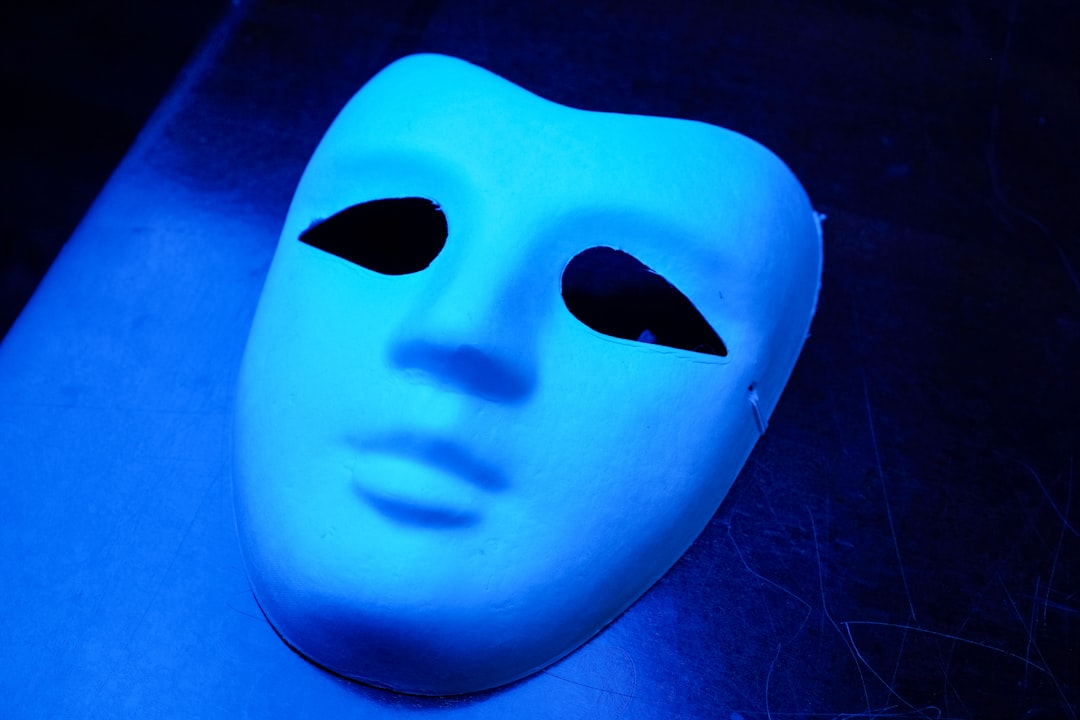
In the ever-evolving world of internet culture, mottos, user handles, and digital expression have come to reframe how we understand identity. One such curiosity that’s generated buzz across social media platforms, especially among Gen Z, is the phrase “Bugsisdead.” More than just a cryptic slogan or a meme, Bugsisdead marks a shift in how people craft, perform, and protect their digital selves in an era dominated by avatars, usernames, and hyper-curated online profiles.
Contents of Post
TL;DR
“Bugsisdead” represents an emerging subculture in which digital identity transcends traditional personal branding. As people grow more aware of how they’re perceived online, they’re leaning into anonymity, irony, and pseudonymity. The rise of this new digital identity culture signals both rebellion and adaptation to the shifting norms of online presentation. At its core, it’s about asserting control over how one is seen in a virtual ecosystem built on performance.
The Origin of Bugsisdead
Nobody quite knows where “Bugsisdead” began. Some say it references the symbolic “death” of Bugs Bunny as an icon representing innocence and classic humor, now replaced with cryptic, darker internet humor. Others argue it’s simply a pseudonym—an abstract art piece of a username that says more about cultural decay and digital rebirth than about any one cartoon character. Either way, “Bugsisdead” has become popular as a handle, artistic tag, and alter ego adopted by niche creators across platforms like TikTok, Instagram, and Discord.
The genius of the name lies in its ambiguity. Is it mourning? Is it ironic? Is it social critique? In truth, it’s all these things held at once, capturing the fluidity of modern online identity where contradiction is not only allowed but celebrated.
Pseudonymity as Power
The rise of “Bugsisdead” mirrors the larger trend of individuals shaping new personas that are only loosely connected to their offline selves. While influencers and content creators once emphasized transparency and “relatability,” newer generations are taking a different route, opting to present themselves through layers of irony, anonymity, and symbolism. In this culture, pseudonyms serve several purposes:
- Freedom of expression: Users are more likely to engage in honest or bold expression under a pseudonym.
- Detachment from real identity: It lowers risk in public experimentation or controversial self-exploration online.
- Subversion of the algorithm: By creating unpredictable identities, users can resist being neatly categorized.
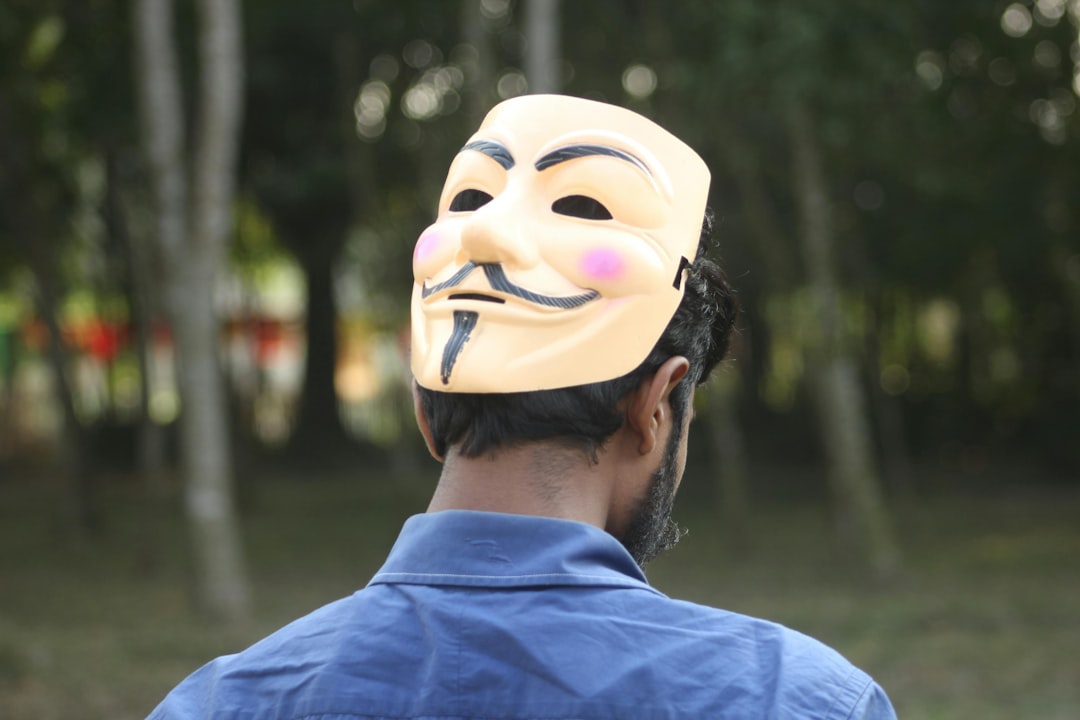
This digital masking acts both as armor and performance. And in the case of “Bugsisdead”, it’s a name that draws attention while also escaping meaning—something that feels increasingly potent in times of online surveillance and commodified personalities.
The Irony-Driven Core of Internet Identity
Irony is no longer just a layer in digital culture—it’s the foundation. The rise of usernames like “Bugsisdead” reflects a key shift from literal self-expression to ironic self-representation. Instead of saying, “This is who I am,” users now say, “Let me show you what I am not.”
In a post-Postmodern internet age, sincerity feels vulnerable. Ironic identity acts as a protective veil. The user who goes by “Bugsisdead” might be a performance artist, a meme archivist, or a casual shitposter. What matters is not the actual identity, but the commentary it embodies. The once-clear line between persona and person is now a sparkly blur, energized by contradictions and sarcasm.
A broader takeaway here is the desire to remain elusive. In a world obsessed with defining and quantifying personality—through Myers-Briggs, astrology, aesthetics, or algorithms—new digital identities resist codification. They are vibes, not definitions. As such, they slip outside the narrative frameworks we’ve historically used to categorize people.
Digital Identity as Creative Medium
Name generation used to be a utilitarian part of creating an online profile. Now it’s a form of creative authorship. Handles like “Bugsisdead” are not random; they’re statements. They’re used to:
- Subvert celebrity culture: Evoking fictional or dead characters critiques the idolization of perfection online.
- Signal subcultural membership: Esoteric names indicate one’s belonging to internet subgroups rooted in niche humor, aesthetics, or discourse.
- Trigger curiosity: Unique pseudonyms attract clicks and followers, offering a deeply performative layer to digital presence.
Users are increasingly aware that their digital identity is curated for an audience—just not always the audience they know personally. The handle becomes a conversation starter, a cryptic prompt, almost like wearing an avant-garde outfit to see who “gets it.”
The Role of Community and Shared Myth
“Bugsisdead” doesn’t exist in a vacuum. It’s a node in a wider network of surreal usernames and thematic references that function almost like modern folklore. The popularity of these kinds of pseudonyms often spreads through:
- Discord server lore
- TikTok creator collectives
- Alt-account Twitter circles
These communities don’t just consume content—they co-create it. It’s not uncommon for a group of creators to adopt variations of a shared mythology in their screen names, bios, and memes. This participatory storytelling reinforces a sense of belonging and injects deeper meaning into otherwise cryptic names like “Bugsisdead.”
Where It’s All Heading
As AI-powered customization and datafied personalization continue to advance, people are looking for ways to defy legibility. The pseudonymous persona is becoming a tool of digital resistance. Handles like “Bugsisdead” may eventually be more common than traditional names, especially in emerging platforms where authenticity no longer means clarity—it means clever obfuscation.
The biggest challenge for institutions—schools, companies, even governments—will be figuring out how to engage authentically with these fluid identities. The line between real self and digital mask will stay blurry. But maybe that’s the point. In a world where everything is archived, catalogued, and skimmable, ambiguity is a form of escape—and power.
Frequently Asked Questions (FAQ)
What does “Bugsisdead” mean?
There’s no single meaning. It could be a reference to the symbolic death of Bugs Bunny or act as a broader cultural metaphor. It primarily serves as a cryptic, ironic username that challenges conventional internet identity norms.
Why is pseudonymity becoming popular again?
Pseudonymity allows users to explore freedom of expression, protect personal privacy, and resist online categorization—essentially reclaiming control over how they are perceived in digital spaces.
Is “Bugsisdead” the name of a person or a movement?
While it can belong to a person using it as a username or tag, “Bugsisdead” is more importantly a symbol—representing a slice of modern digital identity culture that values ambiguity, irony, and subcultural signaling.
How does ironic identity differ from authentic identity?
An ironic identity often plays with contradictions and sarcasm as a defense against the pressures of being “authentic” online. It creates distance between the self and the avatar, providing space to critique culture through identity.
Is this trend limited to Gen Z?
While it’s most prominent in Gen Z circles, especially among artists and creative communities, the trend of using cryptic or stylized pseudonyms is spreading across demographics as people worldwide renegotiate digital presence.