
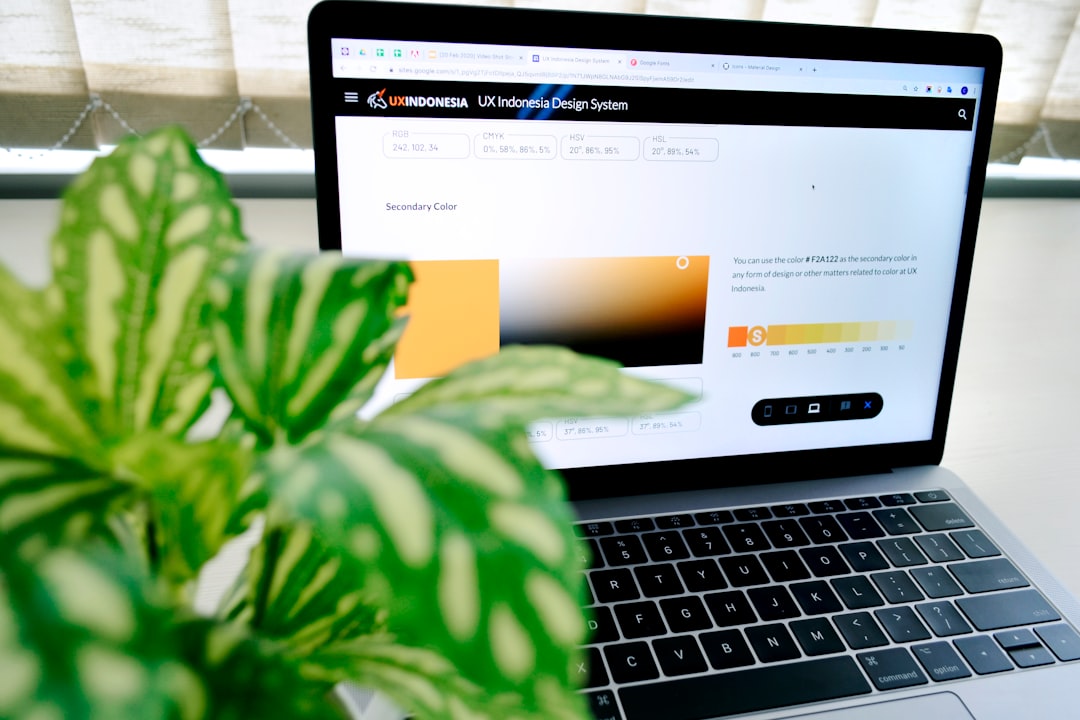
As brands grow, so does the complexity of managing their visual identity, messaging, and digital assets. What once lived in a simple PDF or shared folder quickly becomes scattered across drives, emails, and chat threads. That’s where brand asset management tools come in. Platforms like Frontify have set the standard for organizing brand guidelines, but they’re far from the only option. If you’re looking for alternatives, there are several powerful tools designed to help teams centralize, manage, and distribute brand assets efficiently.
TLDR: Brand asset management tools help teams centralize logos, typography, colors, messaging, and digital assets in one collaborative platform. If you’re exploring alternatives to Frontify, tools like Bynder, Brandfolder, Zeroheight, and Filecamp offer powerful features for organizing and sharing brand guidelines. Each platform has unique strengths, from advanced analytics to developer-friendly documentation. Choosing the right solution depends on your team size, workflow complexity, and collaboration needs.
In this article, we’ll explore four strong alternatives to Frontify, highlighting their features, benefits, and ideal use cases so you can make an informed decision.
Contents of Post
Why Brand Asset Management Matters
Before diving into specific tools, it’s important to understand why brand asset management platforms have become essential.
Modern brands deal with:
- Multiple teams (marketing, design, product, sales)
- Remote collaboration across time zones
- Constant content creation for digital channels
- Strict brand consistency requirements
Without a centralized system, teams often struggle with:
- Using outdated logos
- Applying incorrect colors or fonts
- Duplicating assets
- Slow approval processes
A well-designed digital brand hub ensures everyone works from the same source of truth.
1. Bynder
Best for: Enterprise companies needing a robust, scalable digital asset management (DAM) solution.
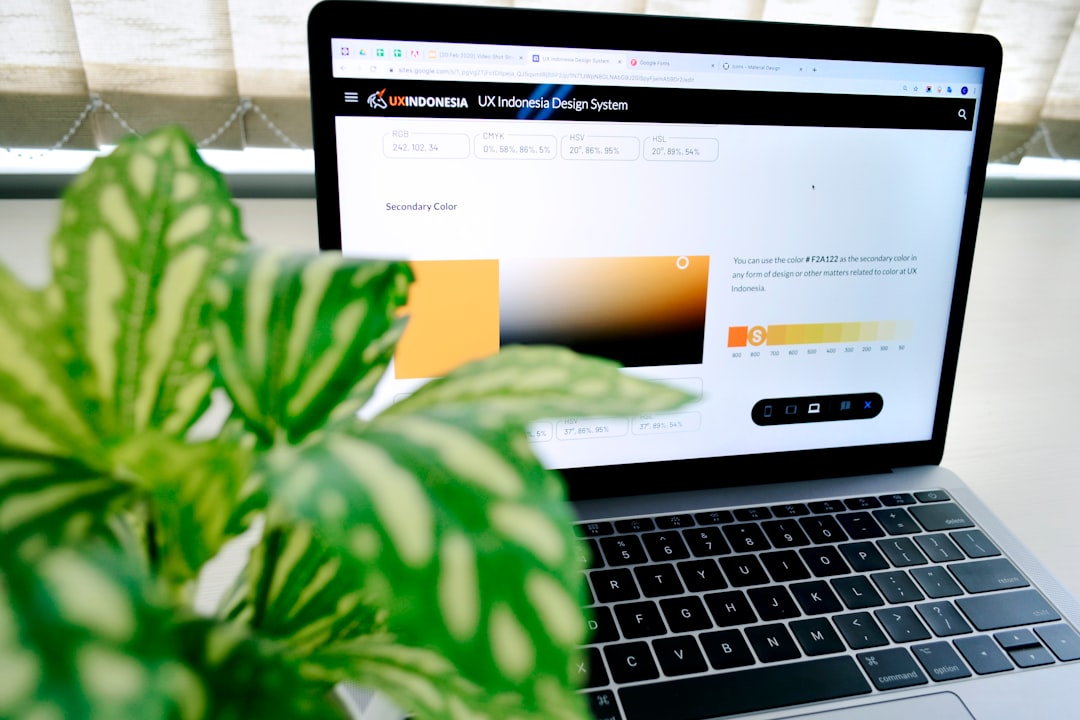
Bynder is one of the most recognized brand management platforms on the market. While it offers full digital asset management capabilities, it also provides strong brand guideline organization tools that rival Frontify.
Key Features
- Centralized asset library with advanced filtering and tagging
- Customizable brand guideline portals
- Version control and approval workflows
- Analytics to track asset usage and engagement
- Integrations with creative and marketing tools
One standout feature of Bynder is its powerful search functionality. Teams can quickly locate files using metadata, tags, and AI-powered recommendations.
What Makes It Different?
Bynder excels in handling complex asset ecosystems. If your organization regularly produces high volumes of multimedia content—videos, campaign graphics, product photography—Bynder provides the governance and automation needed to maintain consistency.
Ideal for:
- Large global teams
- Brands with strict compliance requirements
- Companies producing high volumes of digital content
However, smaller teams may find it more robust (and costly) than necessary.
2. Brandfolder
Best for: Marketing-driven teams seeking asset visibility and performance insights.
Brandfolder combines digital asset management with insightful analytics, making it a favorite among marketing teams who want visibility into how brand assets perform.
Key Features
- Beautiful, intuitive asset organization
- Usage analytics and performance tracking
- Smart tagging powered by AI
- Customizable brand portals
- Content sharing and distribution tracking
One of Brandfolder’s strongest advantages is its built-in analytics dashboard. You can see which assets are downloaded the most, who is using them, and where engagement is highest.
Why Teams Love It
Brandfolder emphasizes usability. Its clean interface makes onboarding smooth—even for non-designers. Sales teams, external partners, and agencies can quickly access assets without complicated training.
For companies looking to connect brand management with measurable ROI, this data-driven approach is especially valuable.

Ideal for:
- Marketing-heavy organizations
- Brands that rely on campaign tracking
- Teams collaborating with partners and distributors
3. Zeroheight
Best for: Design systems and product teams.
Zeroheight is slightly different from traditional DAM platforms. While it supports brand guidelines, it focuses heavily on design system documentation—making it perfect for digital product teams.
Key Features
- Live-updating design system documentation
- Integration with Figma, Sketch, and similar tools
- Component libraries and UI guidance
- Structured style guide documentation
- Collaboration tools for design and development teams
If your brand guidelines extend beyond logos and color palettes into UI components, accessibility standards, and code snippets, Zeroheight provides a unified place to document everything.
Developer-Friendly Approach
Zeroheight bridges the gap between designers and developers. Instead of static PDFs, teams get living documentation that updates as design files evolve. This ensures product interfaces remain consistent with brand standards.
Unlike more marketing-focused platforms, Zeroheight shines in technical environments. It’s less about file storage and more about structured brand systems.
Ideal for:
- SaaS companies
- Product design teams
- Brands managing large design systems
4. Filecamp
Best for: Small to mid-sized businesses needing affordability and flexibility.
Filecamp may not be as widely known as some enterprise platforms, but it offers impressive functionality at a more accessible price point. It’s a highly customizable DAM solution suitable for organizing brand guidelines and digital assets.
Key Features
- Cloud-based asset storage
- Custom branding for portals
- User permissions and access controls
- Online proofing and approval tools
- Unlimited users on certain plans
One major benefit? Cost transparency. Filecamp often appeals to growing businesses that need structure but aren’t ready for enterprise pricing models.
Flexible and Scalable
You can organize brand guidelines into folders and subfolders, customize portal layouts, and manage permissions for different departments or external stakeholders.
Ideal for:
- Growing companies
- Agencies managing multiple clients
- Teams needing customizable access controls
How to Choose the Right Alternative to Frontify
With multiple capable options available, choosing the right platform comes down to understanding your needs.
Ask These Key Questions:
- Team Size: Are you a small team or a multinational organization?
- Primary Use: Is your focus marketing campaigns or product design systems?
- Integration Needs: Do you rely heavily on creative or project management tools?
- Analytics Requirements: Do you want asset performance insights?
- Budget Constraints: What level of investment makes sense?
For example:
- Choose Bynder for enterprise scalability.
- Choose Brandfolder for marketing-focused insights.
- Choose Zeroheight for structured design systems.
- Choose Filecamp for affordability and flexibility.
The Future of Brand Asset Management
As brands become more digital-first, brand asset management tools are evolving beyond simple storage systems. Emerging trends include:
- AI-powered tagging and search
- Automated brand compliance monitoring
- Real-time collaborative editing
- Personalized content portals for partners
We’re also seeing a shift toward interactive brand guidelines—platforms that allow users to copy code snippets, download specific formats instantly, and preview assets across devices.
The days of static PDF brand books are steadily disappearing. Organizations now expect dynamic, collaborative, and measurable brand management systems.
Final Thoughts
Managing brand guidelines effectively is no longer optional—it’s essential for consistency, scalability, and team productivity. While Frontify remains a popular solution, alternatives like Bynder, Brandfolder, Zeroheight, and Filecamp offer compelling features tailored to different business needs.
The best choice depends on your team structure, budget, and long-term brand strategy. Whether you’re building a global enterprise brand or organizing guidelines for a growing startup, investing in the right brand asset management platform will save time, reduce errors, and strengthen your brand’s impact.
In a world where brand perception can shift overnight, having a centralized, organized system isn’t just helpful—it’s a competitive advantage.