
Efficient task management is the backbone of productivity for any small business. With tight budgets, limited manpower, and a need to deliver consistently, adopting the right task management software can significantly streamline operations and boost team performance. But with a saturated marketplace of project and task management tools, finding the one that strikes a balance between affordability and functionality can be a challenge.
Contents of Post
TL;DR
If you’re short on time, here’s the quick takeaway: ClickUp stands out for its all-in-one features and flexibility, making it a great choice for growing teams. Trello is a fantastic option for startups that want simplicity and visual planning with minimal learning curve. Asana occupies the middle ground with its clean interface and robust collaborative tools. Each of these options brings unique strengths tailored to different small business needs.
1. ClickUp: Comprehensive and Customizable
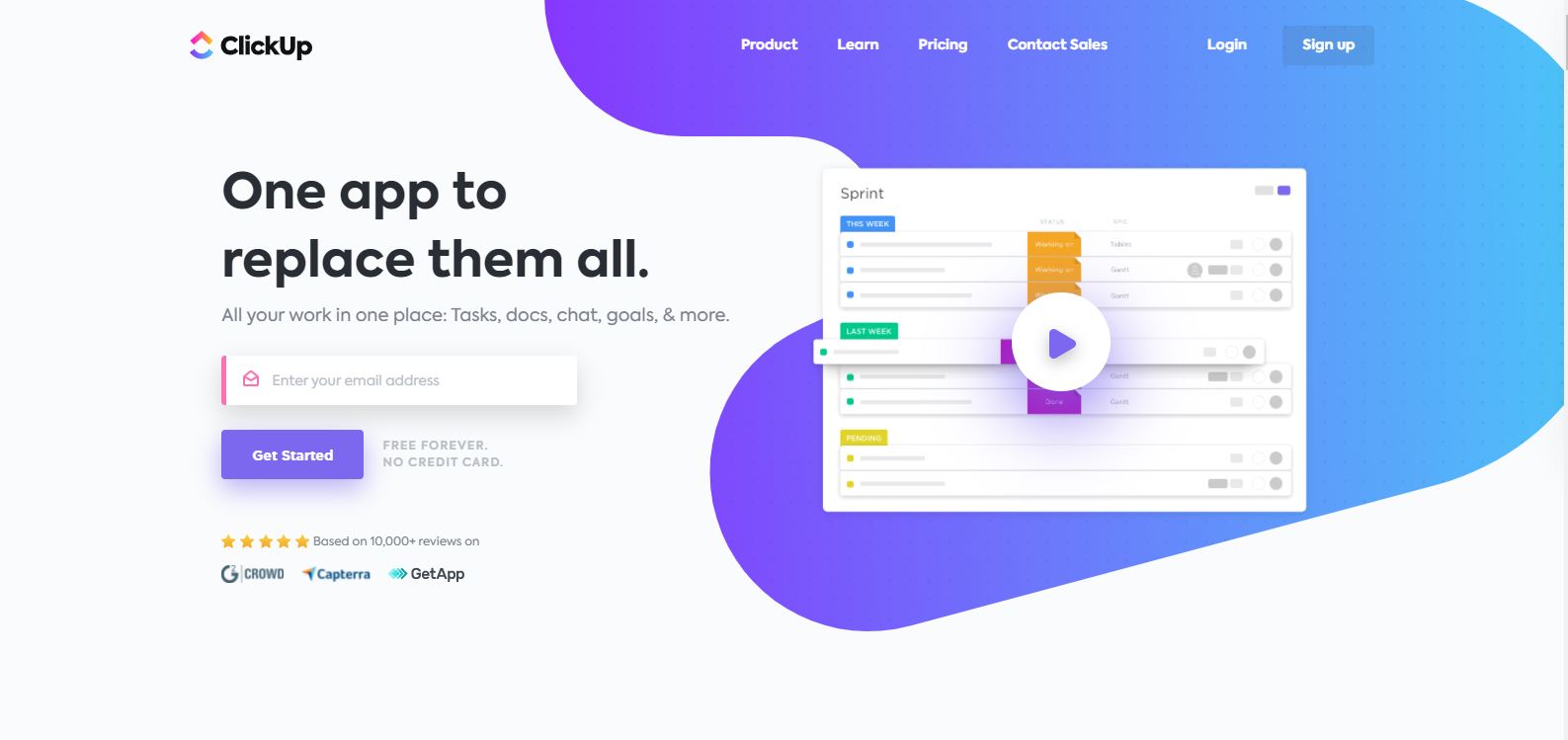
ClickUp has rapidly grown in popularity among small businesses for its powerful combination of task management, document storage, time tracking, and goal-setting features. Its scalable structure allows businesses of any size to adapt their workflows without needing third-party tools or excessive customization expenses.
Key features:
- Hierarchical organization: ClickUp uses a nested workspace model (Workspaces → Spaces → Folders → Lists → Tasks), making complex project layouts manageable.
- Multiple views: Choose from List, Board (Kanban), Calendar, and Gantt views to suit individual project needs.
- Extensive automation: Automate repetitive tasks and trigger actions based on conditions or project status.
ClickUp also includes integrations with over 1,000 apps via Zapier, as well as native integrations with tools like Slack, Zoom, Google Drive, and Microsoft Teams. This makes it ideal for small teams wanting to centralize communication and documentation.
Pros:
- Highly customizable to different workflows
- Excellent value with a comprehensive free plan
- All-in-one solution reduces need for third-party tools
Cons:
- Can feel overwhelming at first due to feature density
- Mobile experience is less fluid compared to desktop
Best for: Small teams looking for a powerful, all-in-one platform that can scale with their business over time.

2. Trello: Visual and Beginner-Friendly
If you value simplicity, visual clarity, and minimal setup, Trello offers a straightforward yet effective solution for managing tasks and projects. Based on the Kanban system, tasks are represented as cards which can be easily moved across columns to represent their progress, making it highly intuitive even for teams new to digital task management.
Key features:
- Kanban board interface: Organize projects with columns like “To Do,” “Doing,” and “Done.”
- Power-Ups for scalability: Add features like calendars, time trackers, and integrations with one-click functionality.
- Templates: Start projects quickly using templates tailored for marketing, HR, development, and general business operations.
Trello doesn’t overwhelm users with features, which is both a strength and a limitation. It is best suited for businesses that don’t require heavy dependency on complex project dependencies or granular reports.
Pros:
- Unmatched ease of use and visual clarity
- Quick onboarding and minimal training required
- Free plan is generous for basic project needs
Cons:
- Limited reporting and time tracking
- Heavy reliance on Power-Ups can bloat user experience
Best for: Startups and very small teams that want simplicity, speed, and visual organization without technical complexity.
3. Asana: Balanced and Collaboration-Focused
Combining structure with user-friendliness, Asana offers a middle-ground option. It helps small businesses keep track of tasks with flexibility, while placing a strong emphasis on team collaboration and responsibility ownership. Its visual timelines and workload capabilities make it one of the top choices among growing teams juggling multiple projects.
Key features:
- Task dependencies and timelines: See how tasks are interconnected and adjust schedules as needed.
- Project templates: Create consistent workflows for recurring projects without starting from scratch.
- Inbox and commenting system: Efficient and centralized communication keeps feedback in context.
Asana’s elegant dashboard and task management system help reduce information overload, and its productivity-focused features keep work streamlined from planning to execution.
Image not found in postmeta
Pros:
- Intuitive interface and low learning curve
- Great for team collaboration and communication
- Robust integrations including Google Workspace and Slack
Cons:
- Advanced features locked behind premium plan
- No built-in time tracking
Best for: Businesses looking for a moderately powerful system that’s still easy to adopt, especially those prioritizing team transparency and communication.
Which One Should You Choose?
When deciding on a task management tool for your small business, consider how your team works rather than choosing based solely on features. Here’s a quick guide:
- ClickUp – Ideal for growing teams seeking customization, centralization, and multi-functional features in a single workspace.
- Trello – Best suited for those who value simplicity and prefer visual task tracking with minimal training.
- Asana – Excellent for teams who prioritize collaboration and want a user-friendly interface without sacrificing core project management capabilities.
Also consider your future needs: Will you be hiring more people soon? Adding more services? Some tools, like ClickUp, are better suited to scale with you over time, while others like Trello might be ideal for short-term, small-scale efforts.
Final Thoughts
Task management tools are not just about organizing work—they are about enabling clearer communication, accountability, and efficiency across your small business. Whether you’re a solopreneur or managing a growing team, choosing the right platform can be the difference between scattered communication and synchronized operations.
Take the time to explore each platform’s free plan before committing. A trial period will help you understand how each tool adapts to your team’s workflow and long-term needs.
Image not found in postmeta
Ultimately, no software is one-size-fits-all. But with ClickUp, Trello, and Asana leading the way, small businesses have robust, trusted options to enhance productivity and build a foundation for successful growth.