
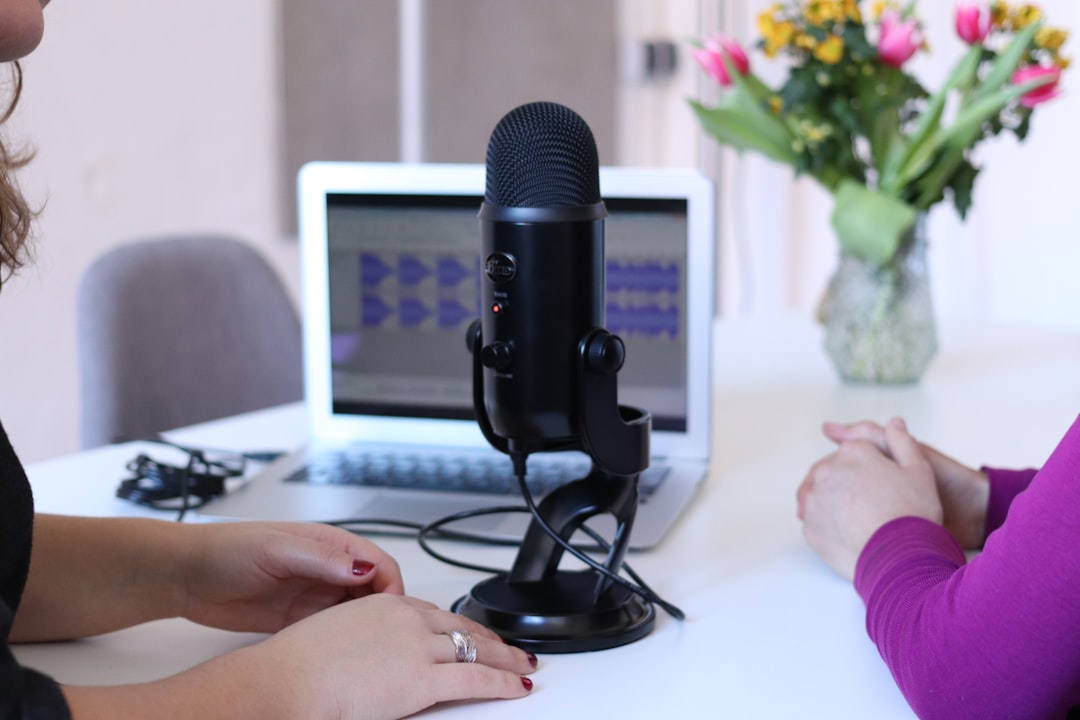
Text-to-speech technology has changed fast. What once sounded robotic now feels natural and warm. Today, creators can build podcasts, audiobooks, and video narrations without even touching a microphone. That is powerful. And exciting.
TLDR: Modern text-to-speech (TTS) tools can create realistic voices for podcasts, audiobooks, and narration. The best platforms offer natural sound, voice customization, and flexible pricing. Top choices include ElevenLabs, Murf AI, Play.ht, Amazon Polly, and Google Cloud Text-to-Speech. Pick the one that matches your budget, language needs, and production style.
In this guide, we’ll explore the most effective text-to-speech tools. We’ll keep it simple. We’ll keep it fun. And by the end, you’ll know exactly which tool fits your project.
Contents of Post
Why Use Text-to-Speech for Audio Content?
Let’s start with the big question. Why use TTS at all?
- It saves time. No recording setup needed.
- It saves money. No need to hire voice actors for every project.
- It scales easily. Produce hours of content in minutes.
- It supports many languages. Go global fast.
It is especially helpful for:
- Podcast intros and ads
- Audiobooks
- YouTube narration
- E-learning courses
- Explainer videos
And the quality? Much better than before.

What Makes a Great Text-to-Speech Tool?
Not all tools are equal. Some sound smooth. Others sound like robots from the 1990s.
Here’s what to look for:
- Natural voice quality – Does it sound human?
- Voice variety – Different tones, genders, accents.
- Emotion control – Can it sound excited? Calm? Serious?
- Ease of use – Simple interface matters.
- Export options – MP3, WAV, and more.
- Commercial rights – Important for monetized content.
Now, let’s explore the top tools making waves in audio creation.
1. ElevenLabs
ElevenLabs is often called the gold standard of AI voice generation.
Why? Because it sounds incredibly real.
Best for: Audiobooks, storytelling, high-quality narration.
What makes it special:
- Ultra-realistic voices
- Voice cloning features
- Emotional tone control
- Multiple language support
You can even create a custom voice. That means you can design a “brand voice” for your podcast.
For audiobook creators, this tool is a dream. Long-form narration flows smoothly. Pauses sound natural.
The downside? It can be more expensive than basic tools.
2. Murf AI
Murf AI is clean. Simple. Professional.
It is popular with marketers and course creators.
Best for: Business narration, training videos, YouTube content.
Key features:
- 120+ voices
- Multiple accents
- Built-in video editor
- Voice customization tools
Murf makes syncing voice with slides very easy. That is great for presentations.
The voices are natural, though slightly less expressive than ElevenLabs.
Still, it is a strong all-around choice.
3. Play.ht
Play.ht focuses on flexibility and language variety.
It offers hundreds of AI voices.
Best for: Bloggers, podcast creators, website audio.
Why people love it:
- 800+ voices
- 100+ languages
- WordPress integration
- Downloadable audio files
If you run a blog, you can turn articles into audio versions fast.
It’s also good for testing different voice styles. Want British? American? Formal? Casual? You have options.
[prompt placeholder intentionally removed? no keep format correct]
4. Amazon Polly
Amazon Polly is powerful. And very scalable.
It is part of Amazon Web Services (AWS).
Best for: Developers, large-scale audio platforms.
Main features:
- Neural text-to-speech voices
- SSML support for detailed control
- Pay-as-you-go pricing
- Many languages
This tool works well if you need automation. For example, generating thousands of product descriptions in audio format.
It may feel technical for beginners. But for tech-savvy teams, it is very effective.
5. Google Cloud Text-to-Speech
Google’s voice AI is strong. Very strong.
It uses DeepMind-powered WaveNet voices.
Best for: Apps, global businesses, multilingual content.
Top benefits:
- High-quality neural voices
- Extensive language support
- Advanced speech controls
- Reliable infrastructure
Like Amazon Polly, this tool is more developer-focused.
But the voice quality is impressive. Especially for international projects.
Quick Comparison Chart
| Tool | Best For | Voice Quality | Ease of Use | Voice Variety | Pricing Style |
|---|---|---|---|---|---|
| ElevenLabs | Audiobooks, storytelling | Excellent | Easy | High | Subscription |
| Murf AI | Business content | Very Good | Very Easy | High | Subscription |
| Play.ht | Blog and podcast audio | Very Good | Easy | Very High | Subscription |
| Amazon Polly | Developers, automation | Very Good | Moderate | High | Pay-as-you-go |
| Google Cloud TTS | Apps, multilingual | Excellent | Moderate | Very High | Pay-as-you-go |
How to Choose the Right One
Still unsure? Ask yourself these questions:
- Is this for fun or for business?
- Do I need emotional storytelling?
- Will I produce content weekly?
- Do I need multiple languages?
- What is my budget?
If you create audiobooks, choose strong emotional quality.
If you run a YouTube channel, ease of use matters more.
If you build an app, scalability is key.

Tips for Better AI Narration
Even the best TTS tool needs good input.
Here’s how to improve your results:
- Write conversationally. Short sentences work best.
- Use punctuation wisely. It controls rhythm.
- Test different voices. Small changes matter.
- Adjust speed and pitch. Slower often sounds more natural.
- Break long paragraphs into sections.
Think of the AI as a performer. Your script is the director.
The Future of AI Voice
The future looks exciting.
Voices are becoming:
- More emotional
- More expressive
- Nearly indistinguishable from humans
We may soon see fully dynamic podcast hosts powered by AI. Interactive audiobooks. Personalized narration.
Imagine every listener hearing your story in their preferred voice style.
That future is not far away.
Final Thoughts
Text-to-speech tools are no longer robotic novelties. They are powerful creative partners.
If you want cinematic storytelling, try ElevenLabs.
If you want easy production tools, try Murf AI.
If you want flexibility and languages, explore Play.ht.
If you need developer power, consider Amazon Polly or Google Cloud.
The best choice depends on your goals.
But one thing is clear.
AI voice technology has opened the door to faster, cheaper, and more scalable audio content than ever before.
And that means your next podcast, audiobook, or narrated video could be just a few clicks away.