
Hiring the right people can feel like searching for a needle in a haystack. Resumes pile up. Emails get lost. Interviews overlap. And before you know it, your dream candidate accepts another offer.
Good news: modern HR recruitment tools like Lever make the hiring process smoother, faster, and way less stressful.
TLDR: HR recruitment tools like Lever help companies organize, automate, and improve hiring. They track candidates, simplify communication, and give teams better data for smarter decisions. These tools save time and reduce hiring mistakes. If you want a faster and more organized hiring process, they are worth it.
Contents of Post
What Are HR Recruitment Tools?
HR recruitment tools are software platforms designed to help companies hire better.
Think of them as a command center for your hiring process.
They help you:
- Post jobs
- Track applicants
- Schedule interviews
- Communicate with candidates
- Analyze hiring performance
Lever is one popular example. It combines an Applicant Tracking System (ATS) with Candidate Relationship Management (CRM) features. That means it not only tracks candidates but helps build long-term relationships with talent.
In simple terms? It keeps everything in one place.
Why Traditional Hiring Feels So Hard
Before tools like Lever, hiring looked like this:
- Resumes stored in email inboxes
- Notes scribbled on paper
- Interview times coordinated back and forth
- Zero visibility into candidate status
It was messy.
It still is in many companies.
Without a system, you risk:
- Losing great candidates
- Slow feedback from managers
- Poor communication
- Bias in decision making
- Bad candidate experiences
And in today’s competitive job market, speed matters.
How Lever Improves the Hiring Process
Lever and similar tools fix these problems step by step.
1. Centralized Candidate Tracking
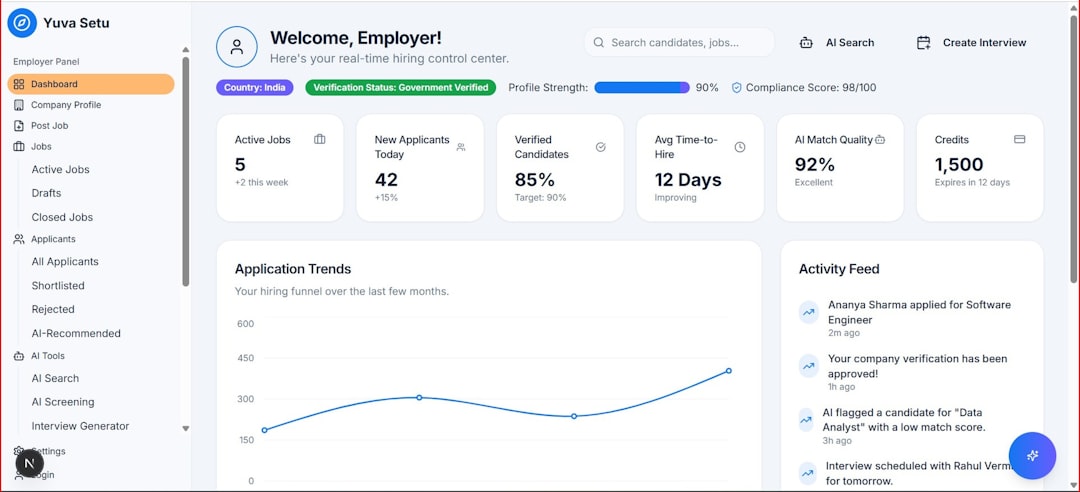
Everything lives in one dashboard.
You can see:
- Where each candidate is in the pipeline
- Interview feedback
- Email history
- Upcoming tasks
No more guessing. No more digging through inboxes.

This visual pipeline makes hiring feel clear and organized. You can literally drag and drop candidates from one stage to another.
Simple. Visual. Efficient.
2. Automated Job Posting
Instead of posting jobs manually on multiple boards, recruitment tools distribute listings automatically.
One click. Multiple platforms.
This saves hours of repetitive work.
It also ensures consistent job descriptions everywhere.
3. Easy Interview Scheduling
We have all seen the dreaded email chain:
“Are you free Tuesday at 3?”
“No, how about Wednesday?”
“Wednesday is full.”
It never ends.
Recruitment tools integrate with calendars and allow candidates to book time directly.
This means:
- Less back and forth
- Fewer scheduling mistakes
- Faster interview setup
Speed increases your chances of landing top talent.
4. Collaborative Hiring
Hiring is rarely a one-person decision.
Recruitment platforms allow team members to:
- Leave structured feedback
- Rate candidates
- Compare evaluations
- Avoid biased comments
Everything is documented and transparent.
This promotes fairer and smarter hiring decisions.
Data Makes Hiring Smarter
One of the biggest advantages of tools like Lever is data.
Without software, it’s hard to answer questions like:
- How long does hiring take?
- Which job boards perform best?
- Where do candidates drop off?
- What is our offer acceptance rate?
Recruitment tools turn guesswork into measurable insights.

You can track:
- Time to hire
- Cost per hire
- Source of hire
- Diversity metrics
With this data, you can improve continuously.
You stop reacting. You start optimizing.
Better Candidate Experience
Here’s something many companies forget:
Candidates are evaluating you too.
A bad experience can hurt your employer brand.
Recruitment tools improve candidate experience by:
- Sending timely updates
- Automating confirmations
- Providing clear communication
- Reducing delays
Even candidates who don’t get the job should walk away feeling respected.
That matters.
CRM Features: Building Talent Pools
One powerful feature of platforms like Lever is the built-in CRM.
This allows recruiters to nurture long-term relationships.
Let’s say a candidate isn’t right today.
That doesn’t mean they won’t be perfect in six months.
Instead of losing their contact, you can:
- Add them to a talent pool
- Send periodic updates
- Share future opportunities
This creates a proactive hiring strategy.

You spend less time starting from scratch. You already have warm leads.
Diversity and Inclusion Support
Modern recruitment tools also help reduce bias.
They offer:
- Structured interview templates
- Standardized scoring systems
- Blind resume review options
- Diversity reporting
Structured processes lead to more objective decisions.
This supports stronger and more diverse teams.
Integration With Other HR Systems
Hiring is just the first step of the employee journey.
After someone is hired, they move into onboarding and payroll systems.
Recruitment tools often integrate with:
- HR information systems
- Payroll software
- Background check providers
- Assessment tools
This creates a seamless transition from candidate to employee.
No double data entry. No confusion.
Scalability for Growing Companies
Startups often begin with spreadsheets.
But what happens when you need to hire 50 people? Or 200?
Manual systems break.
Recruitment platforms scale with growth.
They handle:
- High application volume
- Multiple job openings
- Global hiring needs
This makes them ideal for fast-growing companies.
Common Concerns About Recruitment Tools
“Is it complicated?”
Most modern tools are user-friendly.
They use clean dashboards and drag-and-drop systems.
Training usually takes days, not months.
“Is it expensive?”
There is a cost. But consider the alternative:
- Slow hiring
- Bad hires
- High turnover
- Lost productivity
A single bad hire can cost thousands.
The right tool often pays for itself.
“Will it replace recruiters?”
No.
It removes repetitive tasks.
It gives recruiters more time to focus on strategy and relationship building.
Technology supports humans. It doesn’t replace them.
Best Practices When Using Tools Like Lever
Simply buying software is not enough.
To get real value:
- Define your hiring stages clearly.
- Train hiring managers properly.
- Use structured interview guides.
- Review analytics regularly.
- Continuously improve your workflow.
Technology works best when paired with good processes.
The Future of Recruitment Technology
Recruitment tools keep evolving.
We are seeing:
- AI resume screening
- Predictive hiring analytics
- Chatbots for candidate engagement
- Automated reference checks
The goal is simple:
Hire better people. Faster. With less stress.
Recruiters are becoming more data-driven.
Hiring is becoming more strategic.
Final Thoughts
Hiring does not have to be chaotic.
HR recruitment tools like Lever bring structure, visibility, and intelligence to the process.
They centralize information. They improve collaboration. They enhance candidate experience. And they provide valuable data.
In a world where talent is competitive and time is limited, organization is power.
Whether you are a startup hiring your first employee or a global company scaling fast, recruitment technology can transform the way you work.
Better tools lead to better hiring.
And better hiring builds stronger companies.