

Sleep is not a passive state or a luxury to be sacrificed when life gets busy. It is a biological necessity that supports immune function, emotional regulation, memory, metabolism, cardiovascular health, and long-term brain function. Yet many adults struggle with poor sleep quality even when they spend enough hours in bed. The good news is that research consistently shows sleep can often be improved through targeted changes to daily habits, bedroom conditions, and evening routines.
TLDR: To improve sleep quality, keep a consistent sleep schedule, get morning light, limit caffeine and alcohol, and create a cool, dark, quiet sleep environment. A calm wind-down routine, regular exercise, and reduced screen exposure before bed can help your brain transition into sleep more effectively. If sleep problems persist for several weeks or include symptoms such as loud snoring, gasping, or severe daytime sleepiness, it is important to speak with a healthcare professional.
Contents of Post
1. Keep a Consistent Sleep and Wake Schedule
One of the strongest ways to improve sleep quality is to wake up and go to bed at roughly the same times every day, including weekends. Your body follows an internal 24-hour clock called the circadian rhythm, which helps regulate when you feel alert and when you feel sleepy.
When your schedule changes dramatically from day to day, your body receives mixed signals. This can make it harder to fall asleep, reduce deep sleep, and leave you feeling groggy in the morning. A consistent wake time is especially important because it anchors your circadian rhythm and makes your natural sleep drive more predictable at night.
- Choose a realistic wake time you can maintain most days.
- Avoid sleeping in more than one hour beyond your usual wake time.
- If you need to adjust your schedule, shift it gradually by 15 to 30 minutes at a time.
2. Get Bright Light Early in the Day
Light is one of the most powerful signals for the brain’s sleep-wake system. Exposure to natural light in the morning helps suppress melatonin, increases alertness, and sets a clear timer for melatonin release later in the evening. This is why morning light can make it easier to feel sleepy at the right time at night.
Try to spend 10 to 30 minutes outdoors within the first hour after waking. Even on cloudy days, outdoor light is typically much brighter than indoor lighting. If outdoor light is not available, sitting near a bright window or using a clinically appropriate light box may help, though people with eye conditions or bipolar disorder should consult a clinician before using light therapy.

3. Reduce Caffeine Intake After Midday
Caffeine blocks adenosine, a chemical that builds up during the day and contributes to sleep pressure. While caffeine can improve focus and alertness, its effects can last far longer than many people realize. The average half-life of caffeine is about five to six hours, meaning a significant amount may still be active in the body late in the day.
For better sleep, consider limiting caffeine after 12 p.m. to 2 p.m., especially if you are sensitive to it. Remember that caffeine is not only found in coffee. It may also be present in tea, energy drinks, cola, chocolate, pre-workout supplements, and some pain relievers.
If you suspect caffeine is affecting your sleep, try a two-week experiment: keep your morning caffeine but eliminate it after lunch. Track sleep quality, time to fall asleep, and nighttime awakenings.
4. Create a Cool, Dark, and Quiet Bedroom
Your sleeping environment has a direct effect on sleep continuity. A bedroom that is too warm, bright, or noisy can increase awakenings and reduce the amount of restorative sleep you get. Most people sleep best in a cool room, often around 60 to 67°F or 15 to 19°C, though individual comfort varies.
Darkness is also important because light exposure at night can suppress melatonin and signal wakefulness to the brain. Even small sources of light from electronics or street lamps may be disruptive for sensitive sleepers.
- Use blackout curtains or a sleep mask if light enters the room.
- Consider earplugs, a fan, or white noise if sound is a problem.
- Keep the bedroom cool and well ventilated.
- Choose bedding that helps regulate temperature rather than trapping heat.
5. Build a Predictable Wind-Down Routine
Sleep quality improves when the nervous system has time to shift from daytime activity into rest. A consistent wind-down routine acts as a cue that sleep is approaching. This does not need to be complicated; in fact, simple routines are often easier to maintain.
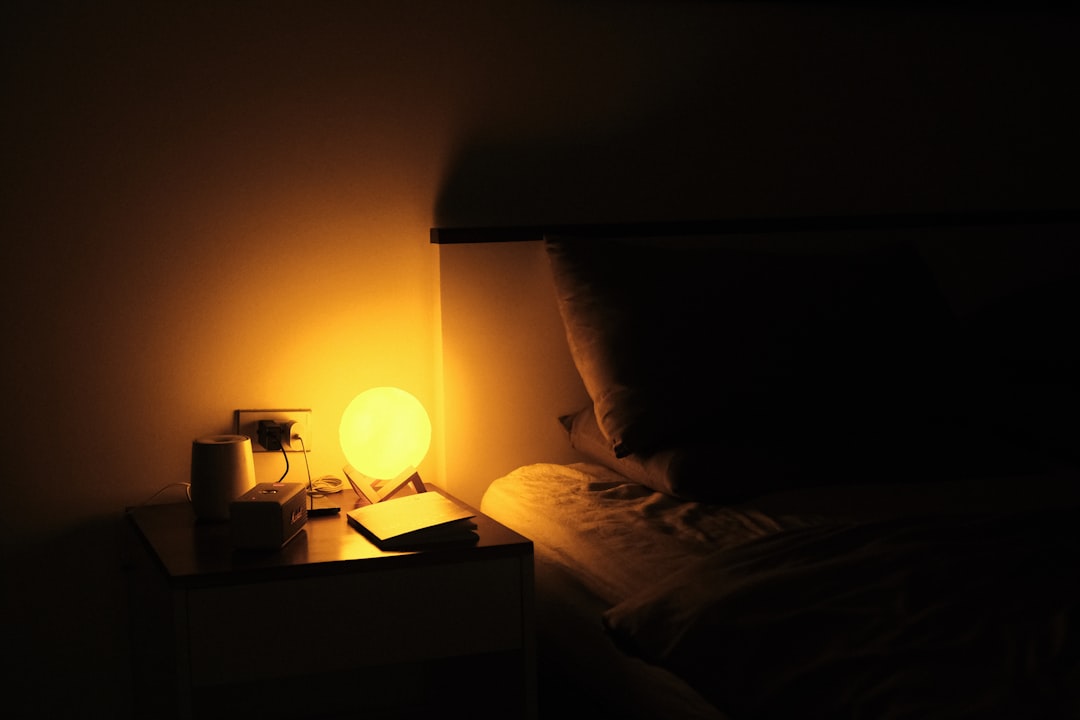
Begin winding down about 30 to 60 minutes before bed. Choose quiet, low-stimulation activities such as reading a printed book, stretching gently, taking a warm shower, practicing breathing exercises, or listening to calm music. The key is repetition: when the same sequence occurs nightly, your brain begins to associate it with sleep.
Avoid using this time for stressful tasks, work emails, intense conversations, or problem-solving. If worries appear at bedtime, write them down earlier in the evening along with one practical next step. This can reduce the tendency to mentally rehearse concerns while lying in bed.
6. Limit Screens Before Bed
Phones, tablets, computers, and televisions can interfere with sleep in two main ways. First, the light from screens, especially blue-enriched light, may delay melatonin release. Second, the content itself can be stimulating. News, social media, games, and work messages can increase emotional arousal and make it harder to relax.
For better sleep, aim to stop using screens 30 to 60 minutes before bed. If that is not realistic, reduce brightness, use night mode, and avoid emotionally intense content. Keep your phone away from the bed if you tend to scroll late into the night.
7. Exercise Regularly, But Time It Wisely
Regular physical activity is strongly associated with better sleep quality. Exercise can help reduce stress, regulate circadian rhythms, increase deep sleep, and improve mood. Both aerobic exercise and resistance training appear to support healthier sleep patterns.
The timing matters for some people. Intense exercise very close to bedtime can raise heart rate, body temperature, and adrenaline, making it harder to fall asleep. However, gentle movement, stretching, or yoga in the evening may be relaxing.
- Aim for at least 150 minutes of moderate activity per week, if medically appropriate.
- Try morning or afternoon exercise if evening workouts disrupt sleep.
- Use light stretching or slow walking at night if you need to unwind.
8. Be Careful With Alcohol and Heavy Evening Meals
Alcohol may make you feel drowsy, but it often lowers sleep quality. It can fragment sleep, reduce REM sleep, worsen snoring, and increase the likelihood of waking during the second half of the night. Even moderate drinking can affect sleep architecture in sensitive individuals.
Heavy meals close to bedtime may also interfere with sleep by causing indigestion, reflux, or discomfort. This does not mean you must go to bed hungry. A light snack may be helpful for some people, particularly if hunger wakes them at night. Good options include yogurt, a banana, oatmeal, or whole-grain toast with nut butter.
As a practical rule, try to finish large meals two to three hours before bedtime and limit alcohol, especially on nights when high-quality sleep is important.
9. Use the Bed Only for Sleep and Intimacy
The brain learns by association. If you regularly work, watch television, argue, eat, or scroll on your phone in bed, your brain may begin to associate the bed with wakefulness rather than sleep. This is a core principle in cognitive behavioral therapy for insomnia, one of the best-supported treatments for chronic insomnia.
Use your bed primarily for sleep and intimacy. If you cannot fall asleep after about 20 to 30 minutes, avoid lying there frustrated. Get up, go to another quiet place, and do something calm in dim light until you feel sleepy. Then return to bed. This helps rebuild the connection between bed and sleep.
The goal is not to watch the clock obsessively, but to avoid training your mind to associate the bed with prolonged wakefulness.
10. Manage Stress Before It Reaches the Pillow
Stress is one of the most common causes of poor sleep. When the body is in a state of hyperarousal, stress hormones and racing thoughts can delay sleep and increase nighttime awakenings. Improving sleep often requires addressing stress during the day, not only at bedtime.
Evidence-based relaxation methods can help calm the nervous system. These include diaphragmatic breathing, progressive muscle relaxation, mindfulness meditation, and guided imagery. Journaling can also be useful, especially when worries are repetitive or vague.
- Breathing: Try slow breathing with a longer exhale than inhale.
- Muscle relaxation: Tense and release muscle groups from feet to face.
- Journaling: Write concerns and possible next actions earlier in the evening.
- Mindfulness: Notice thoughts without trying to solve every problem at night.

When to Seek Professional Help
Healthy sleep habits can make a substantial difference, but they are not a substitute for medical care when a sleep disorder is present. Consider speaking with a healthcare professional if poor sleep lasts more than several weeks, causes major daytime impairment, or does not improve despite consistent changes.
Seek evaluation sooner if you experience loud snoring, choking or gasping during sleep, morning headaches, restless legs, sudden muscle weakness, episodes of falling asleep unintentionally, or severe daytime sleepiness. Conditions such as sleep apnea, restless legs syndrome, depression, anxiety disorders, thyroid disease, chronic pain, and medication side effects can all disrupt sleep and may require specific treatment.
Putting the Tips Into Practice
You do not need to change everything at once. In fact, trying to overhaul your entire routine overnight can create pressure and frustration. Start with two or three changes that are most relevant to your situation. For example, you might choose a fixed wake time, morning light exposure, and no caffeine after lunch. Follow these consistently for two weeks, then evaluate your progress.
It can also help to track a few basic sleep measures: bedtime, wake time, caffeine intake, alcohol use, exercise, and perceived sleep quality. Patterns often become clearer when they are written down. If you later consult a clinician, this information can help guide the conversation.
Final Thoughts
Improving sleep quality is usually less about finding a single perfect trick and more about supporting the biology of sleep every day. Consistent timing, appropriate light exposure, a comfortable bedroom, lower evening stimulation, regular movement, and stress management all work together. These habits are grounded in sleep science and can produce meaningful improvements when practiced consistently.
Sleep is a foundation for health, judgment, mood, and resilience. Treat it as seriously as nutrition and exercise. With a structured approach and patience, many people can achieve deeper, more reliable, and more restorative sleep.