
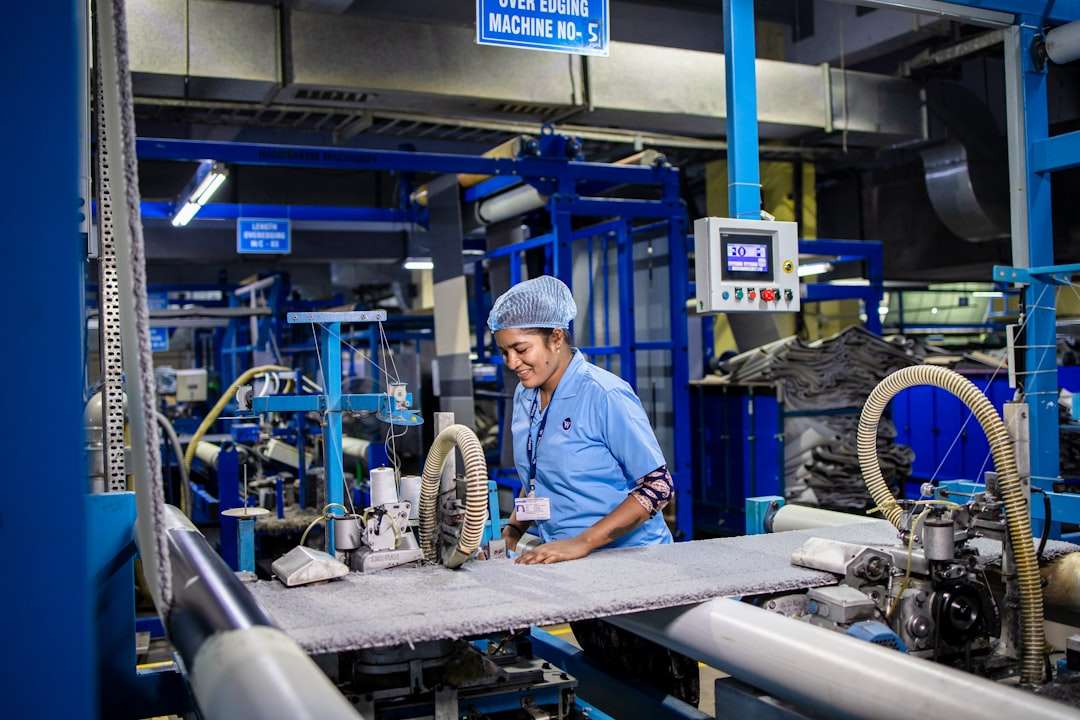
Chicago’s manufacturing sector depends on connected equipment, reliable networks, secure data, and fast support to keep production moving. As factories adopt automation, cloud platforms, ERP systems, industrial IoT, and digital supply chain tools, many manufacturers turn to managed IT services to reduce downtime, improve cybersecurity, and support growth without building a large internal IT department.
TLDR: Manufacturing managed IT services in Chicago help plants strengthen cybersecurity, modernize infrastructure, support production systems, and reduce costly downtime. Top providers often offer help desk support, cloud management, backup and disaster recovery, compliance assistance, and network monitoring. The best fit depends on the manufacturer’s size, production environment, compliance needs, and appetite for technology transformation.
Contents of Post
Why Managed IT Services Matter for Chicago Manufacturers
Manufacturing operations are different from standard office environments. A plant may rely on legacy machines, programmable logic controllers, production scheduling software, ERP platforms, warehouse systems, barcode scanners, and vendor portals. If any critical system fails, the result can be delayed shipments, idle labor, missed production targets, and unhappy customers.
Managed IT service providers, often called MSPs, help manufacturers keep these systems stable. They monitor networks, apply patches, secure workstations, manage servers, support users, and plan technology upgrades. For manufacturers in Chicago and the surrounding industrial suburbs, this support can be especially valuable because the region includes a wide range of businesses, from food processors and packaging companies to metal fabricators, plastics manufacturers, and industrial equipment producers.

Core Benefits of Manufacturing Managed IT Services
1. Reduced downtime
Downtime is one of the most expensive risks in manufacturing. A failed server, unstable Wi-Fi network, ransomware incident, or broken connection to an ERP system can interrupt production. Managed IT providers use proactive monitoring, preventive maintenance, and rapid response processes to identify problems before they become major disruptions.
2. Stronger cybersecurity
Manufacturers are frequent cyberattack targets because they depend on continuous operations and often have complex vendor networks. MSPs can provide firewalls, endpoint detection, email security, multi factor authentication, security awareness training, vulnerability scanning, and incident response planning. For manufacturers with connected machinery or industrial control systems, cybersecurity planning is especially important.
3. Better support for hybrid environments
Many plants use a mix of on premises servers, cloud productivity suites, ERP systems, and specialized production software. Managed IT providers help these environments work together. They can support Microsoft 365, cloud backup, virtual servers, remote access, and secure file sharing while maintaining critical local infrastructure.
4. Predictable IT costs
Instead of paying unexpected break fix bills, manufacturers can use a monthly managed services agreement. This model helps leadership forecast IT spending and align technology costs with business goals. It also gives companies access to a broader team of specialists without hiring separate network engineers, security analysts, cloud administrators, and help desk staff.
5. Compliance and risk management
Some manufacturers must meet requirements related to customer contracts, insurance policies, supply chain security, or government work. A managed IT provider can help document controls, maintain backups, implement access policies, and prepare for audits. This is important for companies working with regulated industries such as aerospace, defense, healthcare, automotive, and food production.
Common Services Offered by Manufacturing MSPs
- 24/7 network monitoring: Continuous visibility into servers, switches, firewalls, internet connections, and critical systems.
- Help desk support: Remote and onsite assistance for office users, supervisors, engineers, and plant staff.
- Cybersecurity services: Endpoint protection, threat detection, phishing defense, firewall management, and security policy development.
- Backup and disaster recovery: Data backup, recovery testing, business continuity planning, and ransomware recovery strategies.
- Cloud services: Microsoft 365, Azure, cloud storage, cloud backup, virtual desktops, and secure remote access.
- ERP and application support coordination: Infrastructure support for systems such as SAP, Microsoft Dynamics, Epicor, NetSuite, Plex, and other manufacturing platforms.
- Vendor management: Coordination with internet providers, software vendors, equipment vendors, and telecom companies.
- IT strategy and consulting: Roadmaps for modernization, budgeting, compliance, and technology lifecycle planning.
Top Managed IT Service Providers Serving Chicago Manufacturers
The Chicago market includes many capable IT providers. The best choice depends on the manufacturer’s size, industry, budget, and technical environment. The following providers are commonly considered by businesses in the Chicago area for managed IT, cybersecurity, cloud, and infrastructure support.
1. Framework IT
Framework IT is a Chicago based managed IT provider that supports small and midsize organizations. It is known for structured IT management, help desk support, cloud services, cybersecurity, and strategic planning. Manufacturers may value its focus on standardization, documentation, and responsive support, especially if they need to move away from informal or reactive IT processes.
2. Andromeda Technology Solutions
Andromeda Technology Solutions serves businesses across the Chicago area and provides managed IT, cybersecurity, phone systems, and surveillance solutions. The company has experience supporting organizations with physical facilities and operational technology needs. For manufacturers, its combination of IT infrastructure and facility technology services can be useful when plants need integrated support.
3. Stratosphere Networks
Stratosphere Networks provides managed IT services, cybersecurity, cloud solutions, communications, and technology consulting. The firm serves clients in Chicago and nationwide. Manufacturers that need help comparing vendors, modernizing communications, or building a more secure network may consider Stratosphere for both advisory and implementation support.
4. XL.net
XL.net is a Chicago area managed IT services firm focused on proactive IT support, cybersecurity, and business technology strategy. It often appeals to small and midsize companies that want a more predictable IT experience. Manufacturers may benefit from its emphasis on process improvement, user support, and executive level IT guidance.
5. Ntiva
Ntiva is a national managed services provider with a presence in the Chicago market. It offers managed IT, cybersecurity, cloud services, consulting, and help desk support. Because it has broader resources, it may be a fit for manufacturers with multiple locations, remote teams, or more complex infrastructure requirements.
6. Impact Networking
Impact Networking, headquartered in the Chicago region, provides managed IT, cybersecurity, process automation, print services, and digital transformation solutions. For manufacturers looking beyond basic IT support, Impact may be attractive because it also works with workflow automation and business process improvement.
7. Sikich
Sikich is a professional services firm with technology, cybersecurity, ERP, accounting, and advisory capabilities. Manufacturers with complex business systems, compliance needs, or ERP modernization projects may consider Sikich because it can connect IT strategy with financial, operational, and risk management expertise.
How to Choose the Right Provider
Choosing a managed IT provider should not be based only on price. Manufacturers should evaluate whether a provider understands production urgency, plant floor realities, and the need for stable systems. A provider that works well for a professional office may not always be prepared for the demands of a manufacturing environment.
Key selection criteria include:
- Manufacturing experience: The provider should understand production schedules, downtime costs, equipment vendors, and plant connectivity.
- Cybersecurity maturity: The MSP should offer layered security, documented policies, incident response planning, and regular reporting.
- Response times: Service level agreements should clearly define response expectations for critical issues.
- Onsite support availability: Some issues cannot be resolved remotely, especially in plants with specialized hardware or network equipment.
- Backup and recovery testing: Backups are only useful if they can be restored quickly and reliably.
- Strategic planning: The provider should help create a technology roadmap, not simply respond to tickets.
- Scalability: The MSP should support future growth, new locations, acquisitions, and increased automation.
Manufacturing Cybersecurity: A Growing Priority
Cybersecurity deserves special attention because modern manufacturing is highly connected. A single compromised account can lead to stolen data, production interruptions, or ransomware. Attackers may target email systems, remote access tools, outdated servers, or unsecured endpoints. In some cases, cyber incidents can affect industrial control systems and connected equipment.
A qualified MSP can help manufacturers implement defense in depth. This means using multiple layers of protection instead of relying on one tool. Examples include firewalls, endpoint detection, email filtering, password management, multi factor authentication, least privilege access, patch management, and employee training.
Cyber insurance requirements are also becoming stricter. Many insurers now expect businesses to show evidence of security controls, documented backups, and incident response plans. Managed IT providers can help manufacturers prepare for these requirements and reduce the chance of denied claims after an incident.
The Role of Cloud and Automation
Cloud technology can help manufacturers improve flexibility, collaboration, and resilience. A Chicago manufacturer might use cloud based email, document management, analytics, remote access, or backup systems while keeping production critical workloads onsite. The right balance depends on latency requirements, software compatibility, security needs, and budget.
Managed IT providers can also support automation initiatives. While MSPs may not program production machinery directly, they can ensure that the underlying network, servers, storage, and security controls are reliable. This foundation is essential for industrial IoT, real time dashboards, predictive maintenance, and data driven decision making.
Expected Costs and Service Models
Managed IT pricing varies based on company size, number of users, number of devices, security requirements, support hours, and onsite service needs. Some providers charge per user, some charge per device, and others create customized monthly agreements. Manufacturers with 24/7 operations should ask whether after hours support is included or billed separately.
Common service models include:
- Fully managed IT: The MSP acts as the primary IT department.
- Co managed IT: The MSP supports an internal IT team with tools, escalation, security, or after hours coverage.
- Project based support: The provider handles specific initiatives such as cloud migration, firewall replacement, or disaster recovery planning.
- Security focused services: The MSP or managed security provider focuses mainly on monitoring, threat detection, and compliance.
Conclusion
Manufacturing managed IT services in Chicago provide a practical way for companies to improve reliability, security, and operational efficiency. With the right provider, a manufacturer can reduce downtime, protect sensitive data, modernize infrastructure, and support long term growth. The strongest MSP partnerships are built on clear communication, measurable service levels, manufacturing knowledge, and a shared commitment to keeping production running.
For Chicago area manufacturers, the right managed IT provider is not just a technical vendor. It becomes a strategic partner that helps the business compete in a market where technology, automation, and cybersecurity are increasingly central to success.
FAQ
What are manufacturing managed IT services?
Manufacturing managed IT services are outsourced technology services designed to support factory operations, office systems, cybersecurity, networks, servers, cloud platforms, and business applications. They help manufacturers maintain stable and secure technology environments.
Why should a Chicago manufacturer use a managed IT provider?
A Chicago manufacturer may use an MSP to reduce downtime, improve cybersecurity, control IT costs, access specialized expertise, and support technology modernization without hiring a full internal IT department.
Do managed IT providers support plant floor technology?
Many providers support the infrastructure connected to plant floor technology, such as networks, servers, security systems, and workstations. However, specialized machine programming or industrial control engineering may still require equipment vendors or automation specialists.
How much do managed IT services cost for manufacturers?
Costs vary based on the number of users, devices, locations, support hours, cybersecurity needs, and project requirements. Most providers offer monthly pricing after assessing the environment.
What should manufacturers ask before hiring an MSP?
Manufacturers should ask about response times, manufacturing experience, cybersecurity tools, backup testing, onsite support, compliance knowledge, service reporting, and how the provider handles critical production outages.
Can managed IT services help with ransomware prevention?
Yes. MSPs can reduce ransomware risk through endpoint protection, email security, patching, multi factor authentication, network monitoring, user training, and tested backup systems.
Is co managed IT a good option for manufacturers with internal IT staff?
Yes. Co managed IT allows an internal team to keep control while using an MSP for extra capacity, advanced security, after hours coverage, project work, or specialized expertise.