

Sprig is a respected platform for in-product surveys, concept testing, and user feedback, especially for teams that want to collect insights directly inside the product experience. However, no single research tool fits every team, workflow, budget, or research maturity level. If your organization needs broader usability testing, richer qualitative analysis, participant recruitment, behavioral analytics, or enterprise-grade survey capabilities, it is worth comparing Sprig with other serious alternatives.
TLDR: The best Sprig alternative depends on the type of insight your team needs most: usability testing, in-product feedback, behavioral analytics, survey research, or research repository management. UserTesting, Maze, Hotjar, Dovetail, and Qualtrics are among the strongest options for different research use cases. Product teams should evaluate tools based on research methods, recruitment options, integrations, data quality, reporting, and governance. For many companies, the right answer is not one replacement but a carefully chosen research stack.

Contents of Post
How to Choose a Sprig Alternative
Before selecting a replacement, define what Sprig is currently doing for your team. Some teams use it mainly for microsurveys, while others rely on it for concept testing, product satisfaction measurement, or continuous feedback loops. A strong alternative should match both your research goals and operating model.
When evaluating tools, consider the following criteria:
- Research methods: Does the platform support surveys, usability tests, interviews, session recordings, card sorting, or analytics?
- Participant access: Can you recruit your own users, use a panel, or target people inside your product?
- Insight quality: Does the tool help reduce noise, identify patterns, and connect feedback to behavior?
- Collaboration: Can product managers, designers, researchers, and executives review findings easily?
- Privacy and governance: Does the platform support consent, permissions, data retention, and enterprise security needs?
- Scalability: Will the tool still work when research volume, teams, and stakeholders increase?
1. UserTesting
UserTesting is one of the most established alternatives for teams that need moderated and unmoderated usability testing, customer interviews, prototype validation, and video-based feedback. It is especially useful when stakeholders need to see and hear users interact with a product, rather than simply read survey responses.
The platform’s strength is its broad research capability and participant network. Teams can test websites, mobile apps, concepts, messaging, and competitive experiences. Video clips, highlight reels, and transcripts make it easier to communicate findings across an organization.
Best for: Mature product, UX, and customer experience teams that need qualitative depth and stakeholder-ready evidence.
Consideration: UserTesting can be a larger investment than lightweight survey tools, so it is best suited for teams with regular research needs.
2. Maze
Maze is a strong Sprig alternative for rapid product discovery and design validation. It is widely used for unmoderated usability tests, prototype testing, preference tests, and research surveys. Product designers often use Maze to test Figma prototypes before engineering resources are committed.
Maze provides clear metrics such as completion rates, misclicks, usefulness scores, and path analysis. This makes it practical for teams that want fast, structured feedback without setting up live interviews for every study.
Best for: Product and design teams that move quickly and need scalable validation for prototypes, information architecture, and early concepts.
Consideration: Maze is excellent for structured testing, but it may not provide the same level of conversational depth as moderated interviews.
3. Hotjar
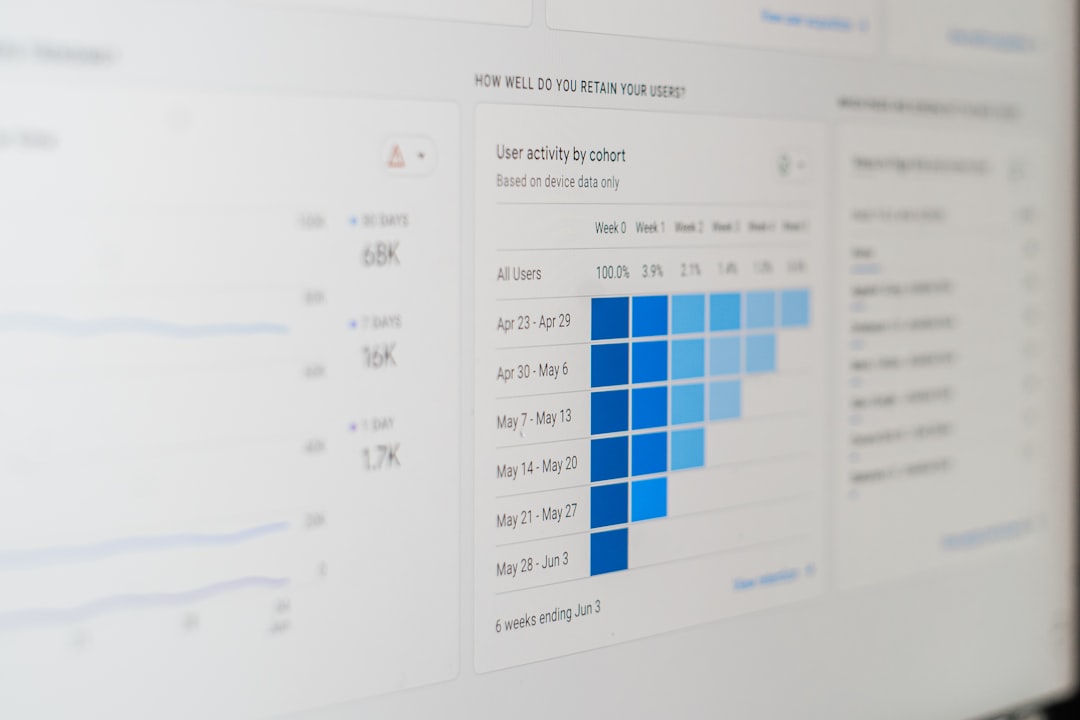
Hotjar is a practical option for teams that want to combine feedback with behavioral analytics. It offers heatmaps, session recordings, surveys, and feedback widgets, making it useful for understanding what users do on a site and where they encounter friction.
Compared with Sprig, Hotjar is often more focused on web experience analysis than formal product research. It helps answer questions such as: Where are users dropping off? Which elements are being ignored? What pages generate frustration?
Best for: Marketing, growth, ecommerce, and product teams that need visual behavioral insights alongside user feedback.
Consideration: Hotjar is strongest for web-based experiences and may be less suitable for complex research programs requiring deep qualitative synthesis.
4. Dovetail
Dovetail is not a direct in-product survey replacement, but it is one of the best alternatives if your main challenge is organizing and analyzing research data. It functions as a research repository where teams can store interview recordings, transcripts, notes, survey responses, and customer evidence.
Its value comes from tagging, clustering, searching, and turning raw research into reusable insights. For organizations that already collect feedback from several sources, Dovetail can become the central place where evidence is preserved and interpreted.
Best for: Research teams that need a serious system for qualitative analysis, knowledge management, and insight governance.
Consideration: Dovetail generally complements data collection tools rather than replacing all of Sprig’s feedback collection capabilities.
5. Qualtrics
Qualtrics is a robust enterprise solution for survey research, customer experience management, brand tracking, and employee experience. It is far broader than Sprig and is often selected by organizations that require advanced survey logic, statistical reporting, role-based permissions, and governance controls.
For product research, Qualtrics can support concept testing, satisfaction tracking, market research, segmentation, and longitudinal studies. Its flexibility is a major advantage for companies operating across multiple regions, product lines, or customer segments.
Best for: Enterprises that need advanced survey infrastructure, compliance, analytics, and cross-functional experience management.
Consideration: Qualtrics may be more complex than necessary for small teams looking for quick, lightweight in-product feedback.
6. Typeform
Typeform is a polished survey and form builder known for its conversational experience and clean design. While it is not a complete product research suite, it is a reliable option for collecting user feedback, onboarding responses, customer satisfaction data, and early discovery input.
Its biggest advantage is accessibility. Teams can create attractive surveys quickly and distribute them through email, social channels, landing pages, or embedded forms. For many early-stage teams, Typeform offers enough structure to gather useful insights without operational complexity.
Best for: Startups, marketers, and product teams that need simple, well-designed surveys and forms.
Consideration: Typeform lacks some of the specialized in-product targeting and research analysis features found in more dedicated platforms.
7. Lookback
Lookback is a user research platform focused on moderated interviews, live usability sessions, and remote research. It helps teams observe users as they complete tasks, discuss expectations, and react to experiences in real time.
Lookback is valuable when the research question requires context, emotion, and follow-up questions. For example, if a user abandons a task, a moderator can ask what they expected to happen, what confused them, and how they would describe the problem.
Best for: UX researchers and product designers conducting remote moderated usability tests and customer interviews.
Consideration: It is less focused on always-on feedback collection and more suited to planned research sessions.
8. Lyssna
Lyssna, formerly known as UsabilityHub, is a practical tool for quick design validation and preference research. It supports first-click tests, five-second tests, preference tests, surveys, and prototype testing. Teams often use it to compare landing page concepts, navigation labels, icons, visual hierarchy, and messaging.
Lyssna is useful when you need fast directional evidence before making design decisions. Rather than debating internally, teams can collect structured feedback from target participants and reduce reliance on opinion.
Best for: Design teams that need fast input on visual concepts, navigation, messaging, and early product flows.
Consideration: It is better for focused tests than for broad, continuous customer insight programs.
9. User Interviews
User Interviews is an excellent choice if participant recruitment is your main bottleneck. While it is not primarily an analytics or survey platform, it helps teams recruit, schedule, manage, and compensate participants for research studies.
This makes it especially valuable for B2B product research, niche audiences, and studies where the right participant profile matters. The platform can be used alongside tools such as Zoom, Lookback, Dovetail, Maze, or survey platforms.
Best for: Teams that need reliable recruitment for interviews, usability tests, diary studies, and specialized research projects.
Consideration: It should usually be seen as part of a research stack, not a complete replacement for Sprig’s feedback collection features.
10. Pendo
Pendo combines product analytics, in-app guides, feedback, and user sentiment tools. For product-led teams, it can be a strong alternative because it connects what users say with what they actually do inside the product.
Pendo is especially useful for tracking feature adoption, onboarding progress, user journeys, and account-level behavior. Teams can use this information to guide roadmap decisions, improve activation, and prioritize product improvements based on both feedback and usage patterns.
Best for: SaaS product teams that need product analytics, in-app communication, and customer feedback in one environment.
Consideration: Pendo’s breadth can require careful implementation to ensure teams capture clean, meaningful data.
Comparison by Use Case
Because these tools solve different problems, it is helpful to compare them by primary use case rather than treating them as identical competitors.
- Best for usability testing: UserTesting, Maze, Lookback, Lyssna
- Best for behavioral analytics: Hotjar, Pendo
- Best for enterprise surveys: Qualtrics
- Best for lightweight surveys: Typeform
- Best for research repositories: Dovetail
- Best for participant recruitment: User Interviews
Which Sprig Alternative Should You Choose?
If your team relies heavily on in-product surveys, look closely at Pendo, Hotjar, and Qualtrics, depending on your scale and analytics needs. If your priority is prototype testing, Maze and Lyssna are stronger choices. If you need deep qualitative feedback, UserTesting and Lookback are more appropriate. If your problem is not collection but analysis, Dovetail may deliver the most organizational value.
For startups, a combination such as Typeform plus Maze can provide affordable survey and usability testing coverage. For growing SaaS companies, Pendo plus Dovetail can connect analytics, feedback, and research knowledge. For enterprise organizations, Qualtrics, UserTesting, and Dovetail may form a more complete research ecosystem.
Final Thoughts
Sprig is a capable platform, but the best product research tool is the one that supports your actual decisions. A team trying to improve onboarding has different needs from a team validating a new market, redesigning information architecture, or managing thousands of customer comments across departments.
The most trustworthy approach is to begin with your research questions, not the software category. Identify the decisions your team must make, the evidence required, the users you need to reach, and the level of confidence required. Then choose the platform that provides the right balance of speed, rigor, collaboration, and long-term scalability.
In many cases, the strongest alternative to Sprig is not a single tool. It is a well-designed research workflow supported by tools that each do one job well: collecting feedback, observing behavior, recruiting participants, testing designs, and preserving insights for future decisions.