
The restaurant industry has always been fast-paced, competitive, and deeply dependent on tight margins. In recent years, however, rising labor costs, shifting consumer expectations, supply chain disruptions, and increased competition from delivery platforms have forced operators to rethink traditional strategies. As a result, AI for restaurants is no longer considered experimental or futuristic—it is rapidly becoming essential. From optimizing kitchen operations to personalizing guest experiences, artificial intelligence is transforming how restaurants operate, compete, and grow.
TLDR: Artificial intelligence is becoming essential in the restaurant industry because it improves efficiency, reduces operational costs, enhances customer experiences, and drives smarter decision-making. Restaurants use AI for tasks like demand forecasting, inventory management, automated ordering, and personalized marketing. As customer expectations rise and labor challenges continue, AI helps businesses stay competitive and profitable. Those who adopt AI strategically gain a measurable advantage in speed, service quality, and long-term sustainability.
Contents of Post
The Rising Pressure on Modern Restaurants
Restaurants operate on notoriously thin margins. Even small inefficiencies can significantly affect profitability. Labor shortages, food waste, fluctuating ingredient prices, and inconsistent demand patterns make it difficult to maintain consistent performance. At the same time, customers expect faster service, seamless digital ordering, accurate delivery, and highly personalized experiences.
AI helps solve these problems by turning data into actionable insights. Instead of relying solely on intuition or past experience, restaurant operators can now use real-time analytics to guide pricing, staffing, menu design, and marketing decisions.
Smarter Inventory and Waste Reduction
Food waste is one of the most expensive hidden costs in the restaurant business. Overstocking leads to spoilage, while understocking results in lost sales and unhappy customers. AI-driven inventory systems analyze historical sales, seasonal trends, weather patterns, and local events to forecast demand with remarkable accuracy.

These predictive systems allow restaurants to:
- Optimize purchasing decisions
- Reduce spoilage and waste
- Prevent stockouts
- Improve supplier coordination
By minimizing waste and tightening inventory control, AI contributes directly to improved margins and more sustainable operations. In an industry where food costs often make up 28–35% of revenue, such optimization is transformative.
Enhanced Customer Experience Through Personalization
Today’s diners expect more than good food—they want convenience and personalization. AI enables restaurants to deliver both. Machine learning algorithms analyze purchase history, customer preferences, order frequency, and even time-of-day behaviors to suggest relevant menu items and promotions.
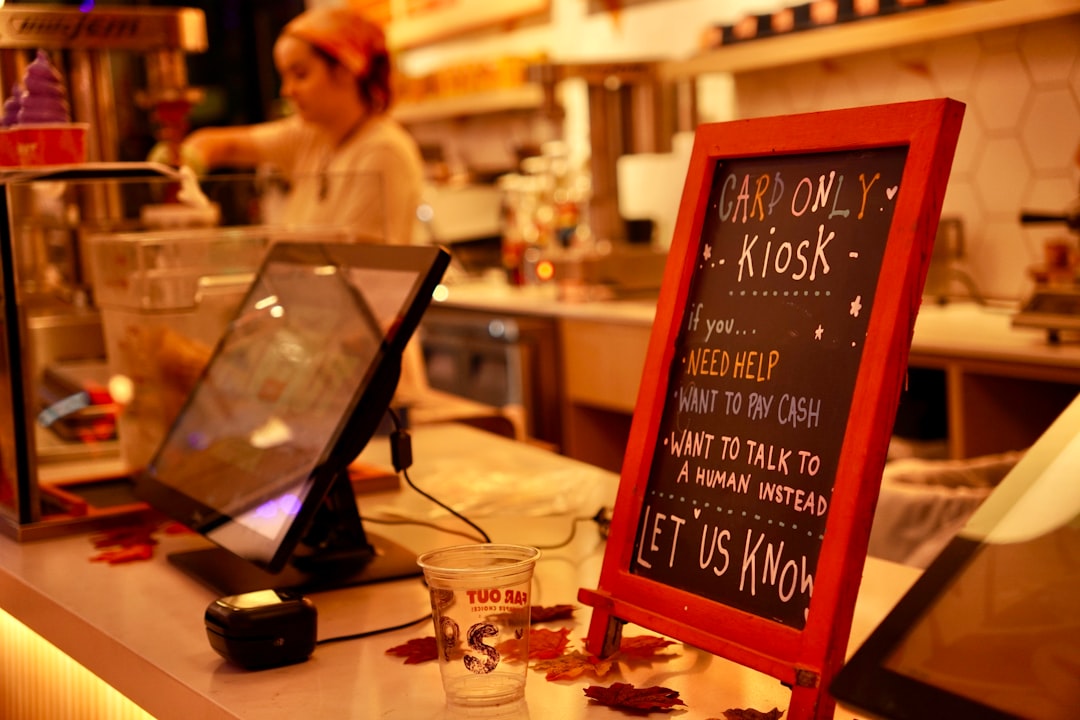
For example, AI-powered recommendation engines integrated into mobile apps or self-service kiosks can:
- Upsell complementary items
- Promote high-margin dishes
- Tailor discounts to individual customers
- Encourage repeat visits
This personalization not only increases average order value but also strengthens customer loyalty. When guests feel understood, they are more likely to return.
AI-Powered Ordering and Automation
Automation has become one of the most visible applications of AI in restaurants. Voice-ordering systems, chatbots, automated drive-thru assistants, and smart kiosks reduce dependency on staff while improving order accuracy.
In drive-thru scenarios particularly, AI systems can process orders faster, recognize returning customers, and suggest frequently ordered items. This shortens wait times and enhances the overall experience.
Inside the kitchen, AI tools are used to:
- Optimize food preparation workflows
- Monitor cooking times and temperatures
- Reduce human error in order assembly
- Analyze bottlenecks in service
Instead of replacing human workers entirely, AI often augments staff performance. Employees can shift their focus from repetitive tasks to hospitality and service quality—areas where human interaction remains vital.
Demand Forecasting and Smarter Staffing
Labor is one of the largest controllable expenses for restaurants. Overstaffing increases costs, while understaffing damages service quality and customer satisfaction. AI forecasting tools analyze past performance, reservations, traffic data, holidays, and even weather reports to predict busy periods.
With accurate forecasting, managers can:
- Create optimal shift schedules
- Allocate staff based on demand
- Reduce overtime expenses
- Maintain consistent service quality
This data-driven approach removes much of the guesswork that traditionally defined restaurant scheduling. As a result, businesses operate leaner without sacrificing guest experience.
Dynamic Pricing and Menu Optimization
AI enables restaurants to evaluate menu performance with precision. Instead of relying solely on sales volume, algorithms assess profitability, preparation complexity, popularity, and seasonal trends.
Through intelligent menu engineering, restaurants can:
- Identify high-margin bestsellers
- Remove underperforming items
- Adjust prices based on demand
- Create limited-time offers strategically
Some establishments are even experimenting with dynamic pricing models, where menu prices fluctuate based on time of day or customer traffic. While this approach must be carefully implemented to avoid customer backlash, it represents a powerful revenue optimization strategy.
Improved Delivery and Online Order Management
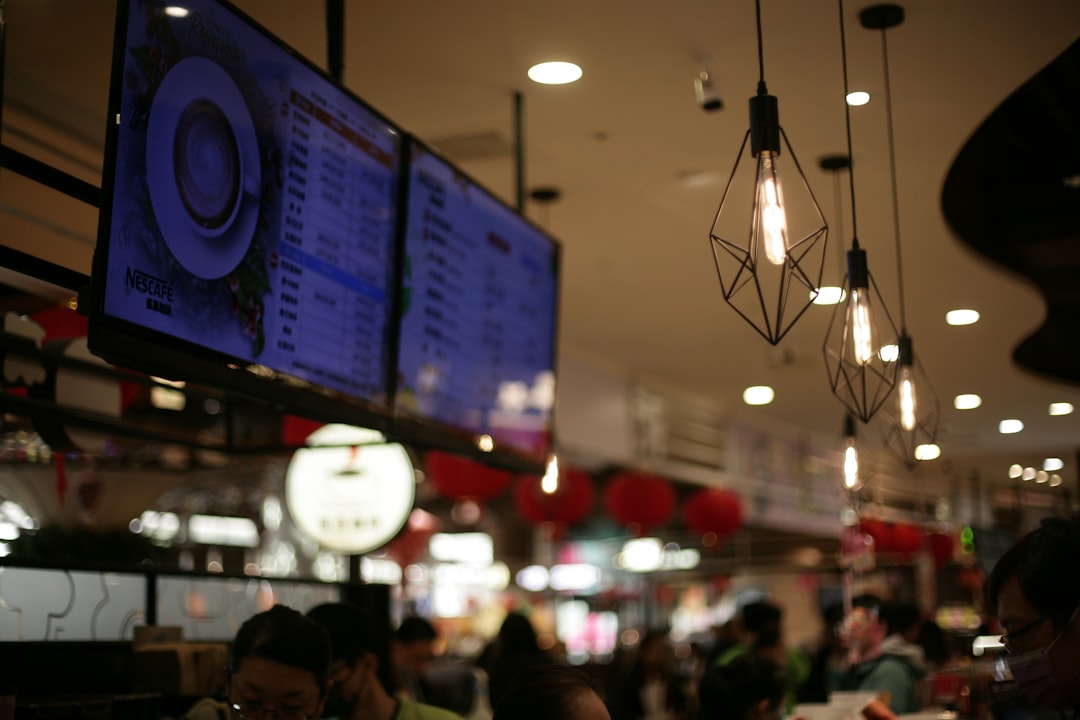
The rise of delivery apps has fundamentally reshaped the industry. However, managing multiple third-party platforms can be complex. AI systems consolidate incoming data, track preparation times, and optimize delivery routes.
Advanced systems can:
- Predict delivery time accuracy
- Minimize order errors
- Recommend driver dispatch strategies
- Analyze customer satisfaction feedback
This ensures smoother operations and protects brand reputation in an increasingly digital marketplace.
Marketing Automation and Data-Driven Decisions
Traditional restaurant marketing strategies—such as blanket discounts or generic promotional emails—often waste budget. AI-driven marketing platforms segment audiences and tailor campaigns based on behavior and preferences.
For instance, AI can automatically trigger:
- Birthday rewards
- Re-engagement offers for inactive customers
- Loyalty program incentives
- Targeted ads based on dining history
By delivering the right message at the right time, restaurants increase conversion rates and maximize return on marketing investment.
Operational Transparency and Real-Time Insights
One of AI’s greatest strengths lies in its ability to process large datasets in real time. Dashboards provide restaurant managers with a live overview of sales performance, labor costs, food waste levels, and customer satisfaction metrics.
This transparency allows for proactive decision-making. Instead of waiting for monthly reports, leaders can respond immediately to emerging issues. If a certain dish is underperforming or ingredient costs spike, adjustments can be made within hours rather than weeks.
Competitive Advantage in a Saturated Market
The restaurant landscape is crowded. New concepts emerge regularly, and customer loyalty is increasingly fragile. AI provides a measurable edge by improving efficiency and enhancing differentiation.
Restaurants that adopt AI can:
- Deliver faster service
- Reduce operational costs
- Offer personalized experiences
- Adapt quickly to market changes
As more competitors implement similar technologies, AI adoption will shift from being a differentiator to a necessity. Those that delay risk falling behind in speed, profitability, and customer satisfaction.
Challenges and Responsible Implementation
Although AI offers powerful benefits, successful implementation requires thoughtful planning. Restaurants must consider data privacy, staff training, system integration, and upfront investment costs. Technology should complement—not complicate—operations.
Moreover, maintaining a balance between automation and human hospitality remains critical. Dining is a personal experience. AI enhances efficiency, but the warmth of human service continues to define memorable encounters.
When integrated strategically and ethically, AI becomes a supportive backbone for operations rather than a disruptive force.
The Future Outlook
The future of dining will likely feature increasingly intelligent systems, from predictive supply chains to robotic assistance in kitchens. Voice AI, computer vision for quality control, and advanced predictive analytics will reshape back-of-house operations.
As adoption becomes widespread, economies of scale will make advanced AI tools more accessible to small and mid-sized restaurants—not just large chains. This democratization ensures that even independent establishments can compete with enterprise-level efficiency and intelligence.
Ultimately, AI for restaurants is not about replacing tradition; it is about strengthening it. By optimizing operational foundations and empowering smarter decisions, artificial intelligence helps restaurants focus on what matters most: creating exceptional dining experiences.
FAQ: AI for Restaurants
-
1. Is AI only suitable for large restaurant chains?
No. While large chains were early adopters, many AI tools are now affordable and scalable for small and mid-sized restaurants. Cloud-based solutions make advanced analytics accessible without massive infrastructure investments. -
2. Will AI replace restaurant workers?
In most cases, AI augments rather than replaces staff. It automates repetitive tasks and improves efficiency, allowing employees to focus on hospitality and customer engagement. -
3. How does AI reduce food waste?
AI forecasts demand using historical sales data, seasonality, and external factors like weather. This allows restaurants to order the right quantities and minimize spoilage. -
4. Is AI implementation expensive?
Costs vary depending on the technology and scale. However, many restaurants see significant return on investment through reduced waste, optimized labor, and increased sales. -
5. How does AI improve customer experience?
AI personalizes recommendations, speeds up service through automation, ensures order accuracy, and enables targeted promotions based on individual preferences. -
6. What is the first step for restaurants considering AI?
Restaurants should start by identifying operational pain points—such as inventory management or staffing inefficiencies—and then adopt targeted AI solutions that address those specific needs.