

Ever sat down at a fancy dinner and found yourself staring blankly at a pile of forks? You’re not alone! Among the cutlery puzzle lies the mysterious salad fork. It’s smaller, it’s sneaky, and it has a royal history too! This guide is your new best friend for everything salad fork-related.
TLDR: The salad fork is a small, often left-placed fork specially designed for—you guessed it—salads. It has roots in European dining history and some quirky etiquette rules that matter at formal dinners. Learn when to use it, why it looks the way it does, and how to never embarrass yourself at a dinner party again. It’s more fun than you think!
Contents of Post
What Exactly is a Salad Fork?
The salad fork is a type of fork, typically smaller than your main dinner fork. It often has slightly wider tines and may even have a thicker outer tine to cut through tougher greens.
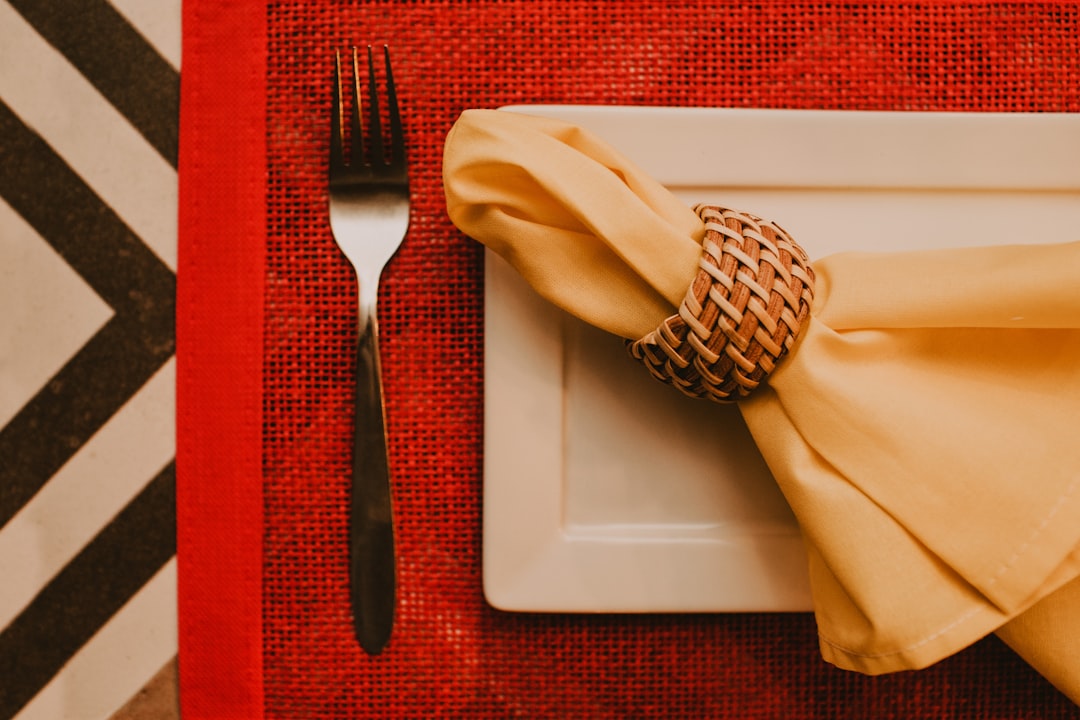
Clue for spotting it at the table: It’s usually the first fork on your left-hand side. That’s because salad is often one of the first courses served.
Fun fact: In the U.S., salad is served before the main course, but in Europe, it’s often served after!
Quick Fork Facts!
- Number of tines? Usually four.
- Size? Around 6 inches long.
- Material? Stainless steel or silver in fancy sets.
- Where on the table? Far left side, outermost fork.
Where Did the Salad Fork Come From?
Let’s hop into our time machine and go waaaay back. Forks, in general, weren’t always a thing. Ancient Greeks used them occasionally, but most people ate with fingers and spoons.
Fast forward to the Middle Ages in Europe. The upper class started using forks for cleanliness and status. But the real salad fork came into play as dining got more complex during the 18th and 19th centuries.
Imagine Queen Victoria having a banquet. She’s got a hundred courses, and yes—each had its own fork. That’s where the salad fork earned its throne. With the rise of structured multi-course meals, specialized utensils like the salad fork became essential.
Why a Special Fork for Salad?
You might ask, “Can’t I just use a regular fork?” Good question!
Technically, yes. But salad forks are designed for specific tasks:
- Cutting through leafy greens: Some have serrated edges.
- Handling slippery toppings: Like cherry tomatoes and olives.
- Size matters: Their smaller frame fits salad bowls better.
Chefs and etiquette experts agree: a salad fork just makes eating salad feel neater and more refined.
How to Use a Salad Fork Like a Pro
There’s nothing snooty about using your salad fork properly. In fact, it’s easy:
- Pick it up when your first course salad is served.
- Use your knife if you need to cut bigger pieces—no shame in that!
- Eat from the outer edge toward the center, if you’re super formal.
Hint: Don’t lick or bite the fork. Always bring the food to your mouth, not your mouth to the plate.
Common Fork Faux Pas
We’ve all made one of these at some point. Let’s avoid them:
- Grabbing the wrong fork first. Remember: outer forks go first.
- Using the salad fork for steak. It’s not strong enough.
- Waving it around while talking. Forks are not microphones!
Salad Fork vs. Other Forks
Let’s play a little comparison game:
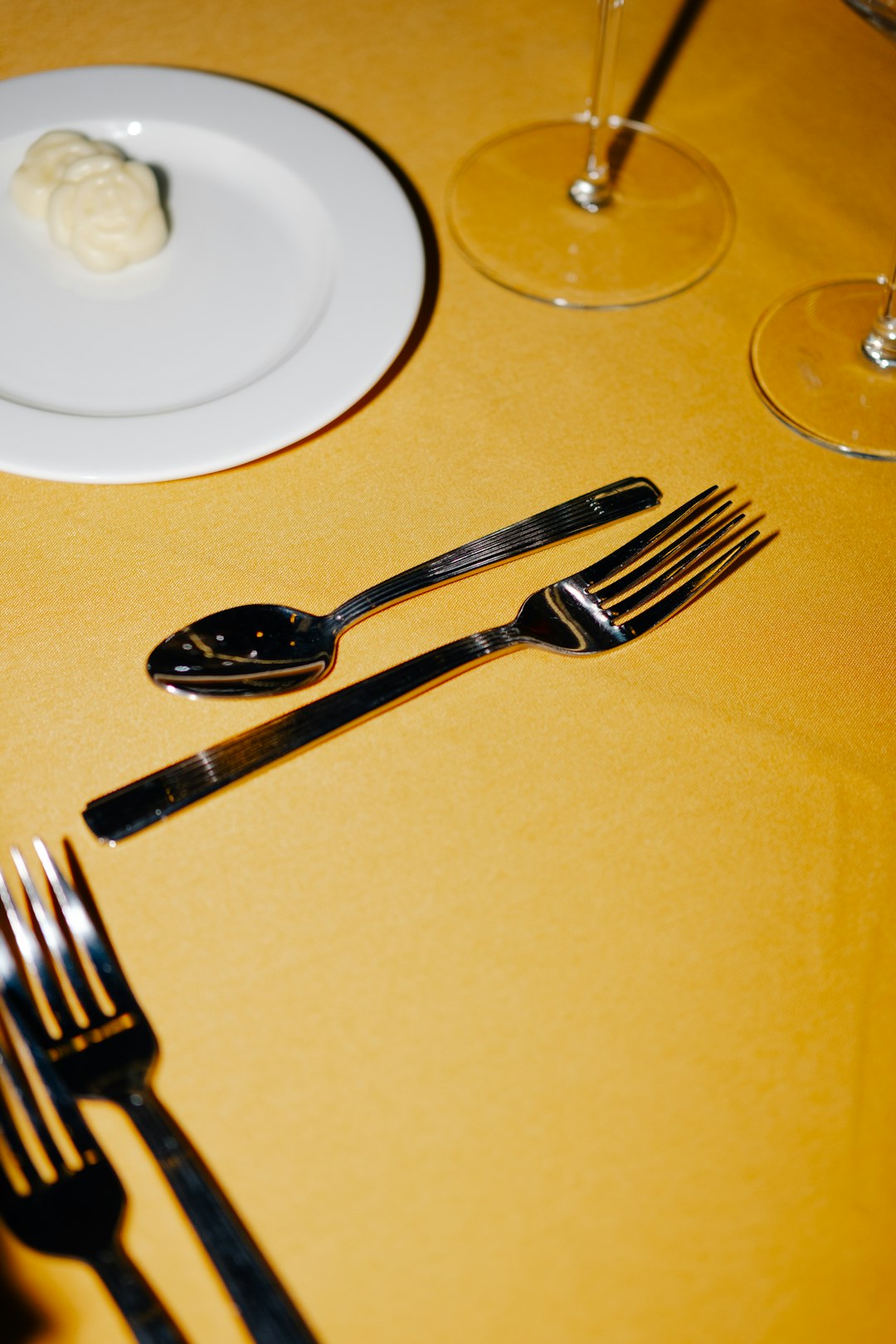
| Fork Name | Used For | Size |
|---|---|---|
| Salad Fork | Leafy greens, appetizers | Smaller |
| Dinner Fork | Main courses | Larger |
| Fish Fork | Fish dishes | Medium, shorter tines |
| Dessert Fork | Cakes, pies | Tiny and cute! |
How to Hold It Correctly
You’ve got two main options depending on where you are:
- American style: Hold it in your right hand after cutting with a knife.
- European style: Keep it in your left hand while cutting with your right.
Either is fine at most tables. Just don’t switch hands mid-bite. That’s the real etiquette blunder!
Do You Need a Salad Fork at Home?
If you love hosting dinners or just like having a properly set table, investing in salad forks can be worth it.
But if you’re more of a “salad in a mixing bowl with a big spoon” kinda person—that’s okay too!
Pro tip: Look for affordable sets at home stores or online marketplaces. You don’t need silver-plated forks to feel fancy.
Celebrity Salad Fork Moments (Yes, Really!)
Julia Roberts in Pretty Woman has a moment where she gets schooled on fork etiquette during a fancy dinner scene. It’s charming and relatable.
The Queen’s State Dinners are also famous for employing more than 10 different forks—including the salad fork. You’ll spot it quietly doing its job between a fish fork and a soup spoon.
Remember: Even celebrities need a fork roadmap!
Fun Salad Fork Trivia
- Some salad forks have holes or grooves to help grip food better.
- The Italian word for fork is “forchetta”—cute, right?
- Victorian-era forks were sometimes made of ivory or tortoiseshell (not eco-friendly though!).
Wrapping It Up: Salad Fork Superpowers
Now you know that salad forks are more than just “the small one on the left.” They’re tools of etiquette, elegance, and even history. Whether you’re dining with royalty or just having lunch with friends, you’ll now know exactly what to do.
Take pride in your salad fork skills. You’re officially fork-smart!
Bonus tip: Next time you’re at a restaurant, impress everyone by casually reaching for the salad fork like it’s no big deal. (Because now, it isn’t!)