
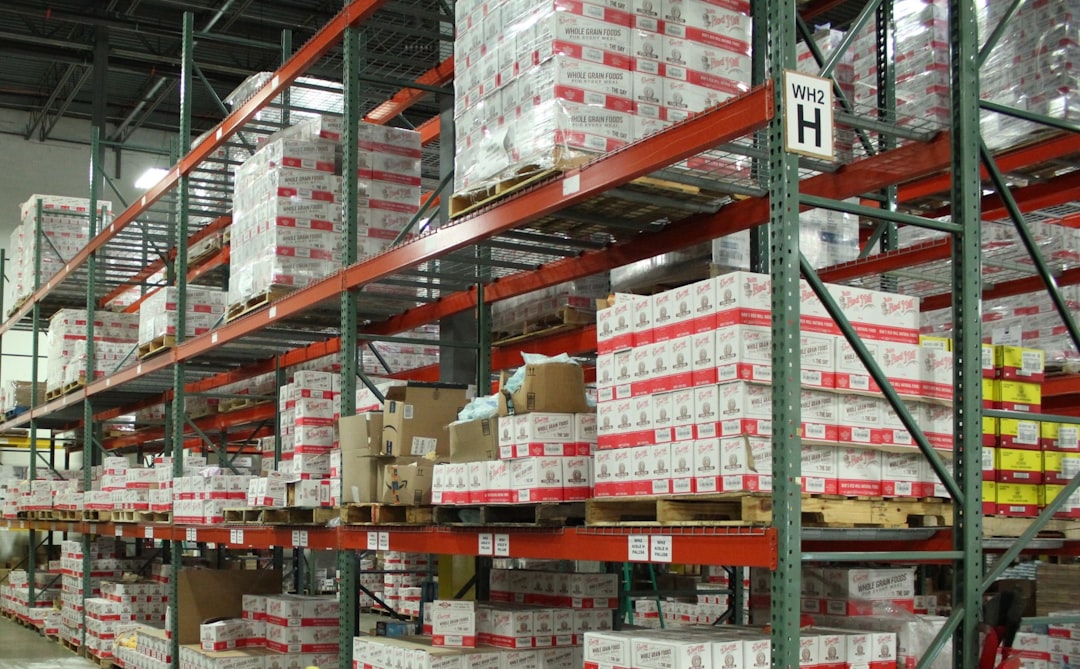
The field of logistics is a dynamic and essential component of the global economy. From transporting goods across continents to making sure shelves are stocked in local stores, logistics professionals play critical roles in ensuring smooth operations within supply chains. As businesses expand globally, the need for skilled logistics personnel continues to grow, offering a range of rewarding career opportunities for individuals eager to enter or advance in this field.
TLDR: Logistics occupations offer diverse roles with opportunities for growth in various sectors such as transportation, warehousing, and supply chain management. With minimal qualifications required for entry-level jobs and numerous advancement paths, logistics can be a stable and lucrative career choice. Certifications and experience play big roles in career progression. Whether you aim to be an operations manager or a freight coordinator, the logistics industry has a place for you.
Contents of Post
What Are Logistics Occupations?
Logistics occupations involve the planning, implementation, and coordination of the movement and storage of goods, services, or information within a supply chain. Workers in this field strive to ensure that products are delivered efficiently, on time, and in good condition. This sector includes a wide variety of job roles at different experience levels, catering to individuals with diverse skill sets and professional goals.

Types of Logistics Careers
Individuals pursuing careers in logistics can choose from a wide array of job roles. Below are some of the most common and in-demand logistics occupations:
- Logistics Coordinator: Oversees and organizes the storage and distribution of goods. A key role for ensuring deliveries run smoothly.
- Warehouse Manager: Manages warehouse operations, including inventory control, staff supervision, and facility maintenance.
- Supply Chain Analyst: Monitors supply chain performance, identifying inefficiencies and areas for cost savings.
- Transportation Manager: Ensures the efficient movement of goods by planning and coordinating transportation methods and delivery routes.
- Customs Broker: Assists with the legal procedures related to importing or exporting goods across borders.
- Procurement Specialist: Acquires goods and services needed by a company, negotiating with suppliers to obtain the best value.
Educational Requirements
Depending on the role, educational requirements can vary significantly. Entry-level positions may not require a college degree, but advanced positions tend to require higher qualifications.
- High School Diploma: Many warehouse or shipping/receiving positions require only basic education.
- Bachelor’s Degree: Helpful for mid-level roles like supply chain analyst or logistics planner. Relevant fields include business, logistics, or supply chain management.
- Master’s Degree: Often required for senior management or strategy-based roles within large organizations.
In addition to formal education, many employers prefer or require job candidates to have industry-specific certifications.
Certifications and Training
Certifications can significantly enhance a job seeker’s credentials, improve earning potential, and open doors to advanced roles. Some widely recognized certifications include:
- Certified Supply Chain Professional (CSCP) – offered by APICS
- Certified in Logistics, Transportation and Distribution (CLTD) – also provided by APICS
- Certified Logistics Associate (CLA) and Certified Logistics Technician (CLT) – offered by the Manufacturing Skill Standards Council (MSSC)
Hands-on training is often just as valuable as academic learning, especially in warehousing and freight management roles.
Skills Needed in Logistics Careers
Success in logistics requires a blend of technical knowledge and soft skills. Some of the most critical competencies include:
- Organizational Skills: Ability to manage multiple tasks across timelines
- Attention to Detail: Crucial for documentation, labeling, and tracking shipments
- Problem-Solving Abilities: Useful for addressing supply chain interruptions
- Communication Skills: Needed to liaise with teams, vendors, and clients
- Technology Proficiency: Familiarity with logistics platforms and forecasting software
Career Progression and Salary Expectations
Logistics offers robust career advancement opportunities. Employees can start with entry-level roles such as a dispatcher or warehouse associate and gradually move up the ladder.

Here’s a general overview of career progression and associated salaries:
- Entry-Level (e.g., Logistics Assistant, Forklift Operator): $30,000–$45,000 annually
- Mid-Level (e.g., Supply Chain Analyst, Logistics Coordinator): $50,000–$75,000 annually
- Advanced-Level (e.g., Operations Manager, Logistics Director): $80,000–$130,000+ annually
Salary can vary based on location, company size, years of experience, and education levels. Urban areas and international firms generally offer higher pay.
Industry Sectors That Hire Logistics Professionals
Logistics is not limited to any one sector. Because the movement and storage of goods is a universal need, professionals in this field can find employment in a wide range of industries, including:
- Retail
- Manufacturing
- Food and Beverage
- Healthcare
- Automotive
- E-commerce
- Government and Defense
Each industry has its own logistics challenges and requirements, making it possible for professionals to specialize based on their interests and expertise.
Working Conditions
Logistics jobs can range from office-based roles, such as logistics planning or customer service, to physically demanding warehouse or transportation positions. Shift work, night shifts, and long hours are common in some roles, particularly those involving transportation and warehousing.
However, increased automation and remote monitoring technologies are making certain roles more flexible and less labor-intensive.
The Future of Logistics Careers
Logistics careers are evolving rapidly due to technological advancements, including artificial intelligence, blockchain, drone delivery, and autonomous vehicles. These innovations are not diminishing the need for human workers but reshaping the skills and competencies required.
The global shift to e-commerce, especially after the COVID-19 pandemic, has accelerated demand for logistics and supply chain experts. Professionals who keep up well with trends and technology will find themselves in high demand in the years ahead.
Frequently Asked Questions (FAQ)
- Q: Do I need a college degree to start a career in logistics?
A: No, many entry-level logistics roles require only a high school diploma and some on-the-job training. However, higher education can open more advanced opportunities. - Q: Are logistics jobs in demand?
A: Yes, the logistics and supply chain industry is growing rapidly worldwide due to increased global trade and e-commerce expansion. - Q: What are the highest-paying roles in logistics?
A: Advanced positions like Logistics Directors, Supply Chain VPs, and Global Operations Managers tend to offer the highest salaries, often exceeding $100,000 annually. - Q: How can I advance my career in logistics?
A: Gaining experience, pursuing certifications, networking, and staying informed about industry trends and technologies can help you progress in your logistics career. - Q: Do logistics professionals travel a lot?
A: It depends on the role. Some, like freight coordinators or transportation managers, may travel frequently, while others work primarily in offices or warehouses.