
In the world of visual communication, lines are among the most fundamental elements used to build and convey meaning. From typography to abstract art, lines provide the backbone of expression. Among these is the intriguing concept of the hairy line—a design and artistic term that blurs the boundary between order and chaos. Mysterious yet purposeful, the hairy line is increasingly recognized for its emotive and conceptual power.
TLDR: The concept of the hairy line represents lines that are irregular, textured, or intentionally rough, used in graphic design and fine art to evoke emotion, depth, and human touch. It stands in contrast to clean, mechanical lines, offering a sense of imperfection or unpredictability. Popular among illustrators and designers, the hairy line often appears in hand-drawn styles, expressionist works, and digital sketches aiming to retain personality. Its rising presence reflects a broader design movement toward authenticity and emotional resonance.
Contents of Post
What Exactly Is a Hairy Line?
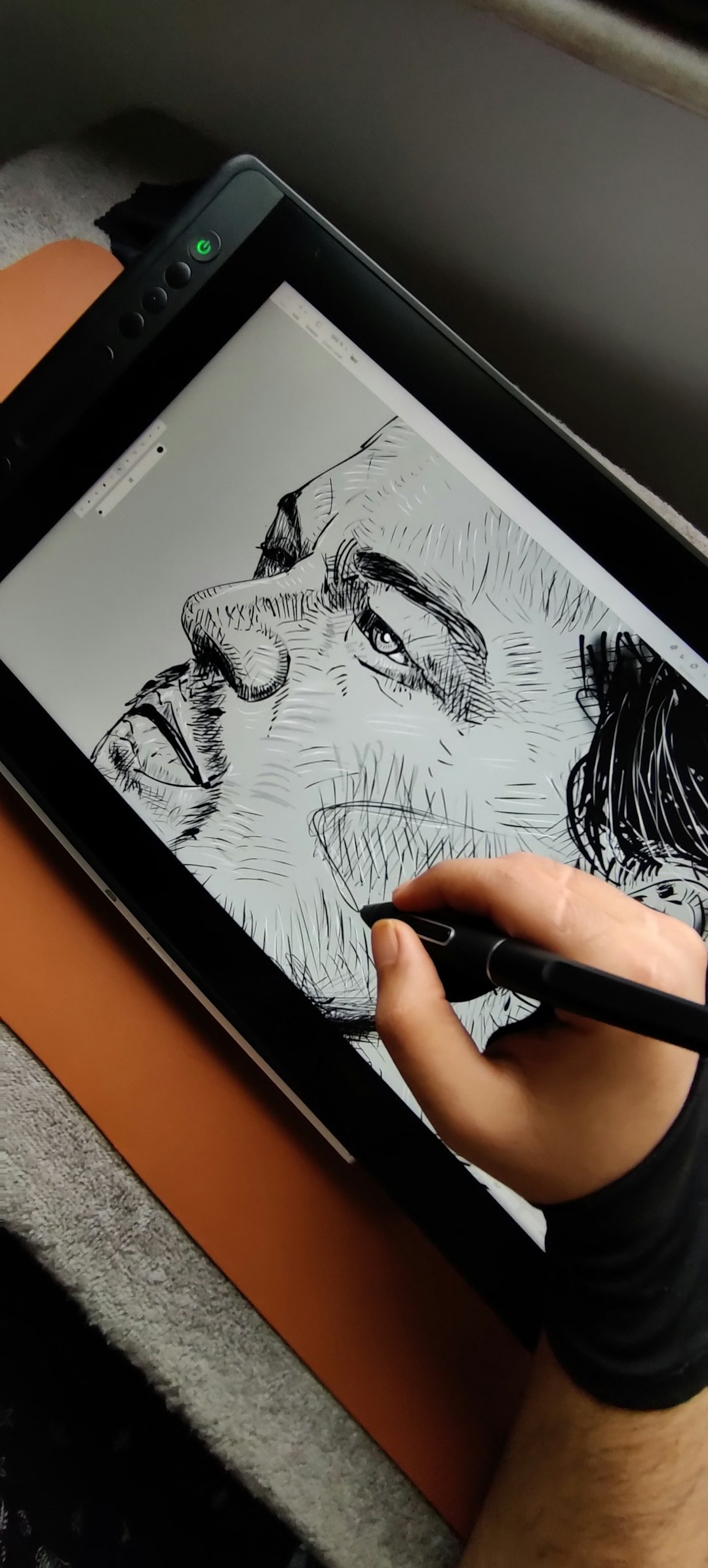
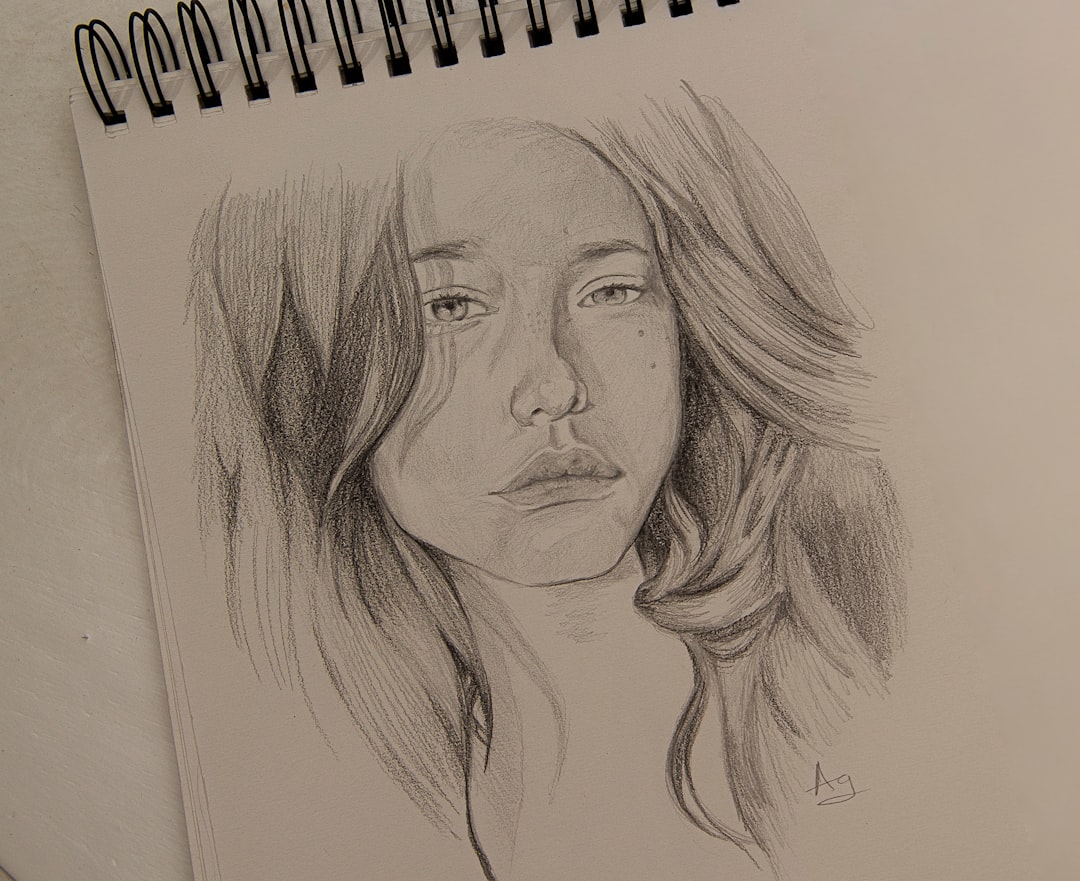
A hairy line is a visually rough or erratic line that gives the impression of multiple strokes, feathering edges, or hand-drawn texture. Unlike the precision of a vector line or the rigidity of a technical drawing, the hairy line is deliberately imperfect. It often looks sketchy, energetic, and full of visual noise.
In design terms, a hairy line can be achieved through:
- Pencil or pen sketches with multiple overlapping strokes
- Digital brushes designed to mimic handmade textures
- Repeated linework to create shadows or contours
- Freehand drawing without correction tools
The result is a line that not only outlines a shape but also carries emotional depth, spontaneity, and individuality.
Origins of the Term in Art and Design
While there’s no specific origin for the phrase “hairy line,” its usage has grown as digital artists and designers sought ways to describe the irregular, human-feeling qualities of certain line types. It resonates especially in fields where human imperfection is celebrated—like illustration, alternative comics, and expressionist painting.
Conceptually, the hairy line echoes older traditions dating back to the work of Van Gogh and Egon Schiele, whose expressive lines created form and emotion. In contemporary digital settings, this aesthetic is achieved using stylus pressure sensitivity, textured brushes, or intentional “error.”
Why Designers and Artists Use Hairy Lines
The appeal of the hairy line lies in its ability to express mood, movement, and authenticity. In contrast to smooth, clinical digital vectors, it conveys humanity and emotion, breathing life into otherwise flat images. It’s no surprise that many contemporary creatives are turning toward this style for more emotive work.
Key reasons to use hairy lines include:
- To create a handmade or analog look in digital art
- To emphasize texture and grading through repetition
- To express energy, agitation, or motion
- To break the monotony of overly clean digital surfaces
Where You Will See Hairy Lines
The hairy line style appears across a range of industries and styles. Here are some common applications:
1. Illustration and Comics
Many illustrators intentionally use sketchy, repeated lines to emulate quick motion or emotional states in characters. Alternative comics and zines often use this approach due to its raw, expressive tone.
2. Graphic Design
Designers use hairy lines to evoke an organic aesthetic, often in branding for artisanal or craft-based companies. These lines suggest authenticity, imperfection, and soul—qualities that appeal in a mass-produced world.
3. Fine Art
In painting or mixed media, the hairy line suggests vulnerability or tension. Artists such as Jean-Michel Basquiat often incorporated such linework to convey urgency or chaos.
4. Digital UI and Animation
Some user interfaces especially for creative apps or youth-oriented platforms use quirky, hand-drawn lines in icons or animated transitions to inject personality into digital experiences.
Psychology and Emotions Behind Hairy Lines
Hairy lines are not just aesthetic—they carry psychological impact. Our brains interpret line quality as a reflection of movement, emotion, and intent. A jagged or overlapping line might evoke anxiety or instability; a swirling, indefinite line might make a scene feel ethereal.
According to psychologists who study visual perception, textured and dynamic lines can influence a viewer’s mood more than static, clean visuals. This aligns with the modern shift toward emotionally resonant design that puts human feeling above polished perfection.
The Contrast with Clean Lines
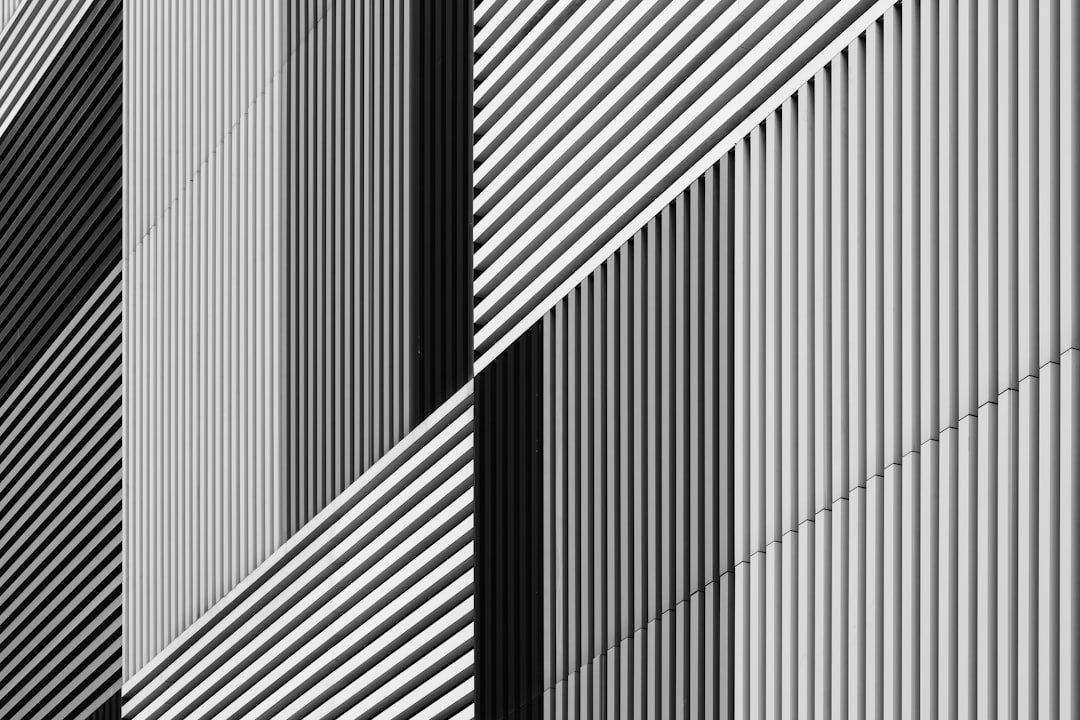
To understand the hairy line, it’s essential to contrast it with its opposite—the clean line. Clean lines are uniform, unbroken, and often straight. They suggest order, logic, and stability. Think of corporate logos, governmental signage, or minimalist architecture.
Hairy lines, in contrast, introduce uncertainty. They break the grid, so to speak, hinting at something emotional or unpredictable below the surface.
This contrast is extremely powerful in visual communication. A well-placed hairy line against a clean background draws the eye, disrupts monotony, and introduces layers of meaning.
Techniques: How to Achieve a Hairy Line Aesthetic
For traditional artists:
- Use a loose grip to allow naturally jagged movement
- Sketch over the same area multiple times without erasing
- Choose textured paper to impact the final strokes
For digital artists:
- Select a brush with line jitter, texture, or grain settings
- Adjust pressure sensitivity for varied stroke thickness
- Layer multiple strokes with a tablet for more dynamic edges
Even with vector tools like Adobe Illustrator, one can simulate hairy lines using custom brushes or by adding noise effects to lines post-creation.
In Design Trends and Future Possibilities
The hairy line continues to gain popularity as creatives seek warmth and personalization in design. This is part of a wider trend away from minimalist digital perfection and toward “digital craft” — combining new tech with handmade aesthetics.
In branding, apps, and editorial layouts, designers are embracing textures and flaws more than ever. Hairy lines act as visual metaphors for being human—flawed, vibrant, and changeable.
We may soon see entire identities built around these imperfect lines, particularly as AI and automation dominate other sectors of creative work. Ironically, in a world increasingly automated, the appearance of human imperfection becomes a premium design asset.
Conclusion: The Power of Imperfection
The hairy line might seem like a mere stylistic quirk, but its impact on the tone and meaning of a design is profound. These seemingly minor gestures—the repetition of a pencil stroke, the wobble of an ink line—carry immense emotional charge. In embracing this style, designers and artists invite audiences closer, exposing process, personality, and imperfection.
So the next time you encounter a sketchy logo, a rough comic panel, or a swirling abstract painting, remember: that’s not just a line—it’s a hairy line, and it’s telling a story all its own.