

Across the heating oil, marine fuel, agricultural fuel, and commercial energy sectors, distribution companies operate in a world where customers expect dependable deliveries, transparent pricing, and fast service. Fuel oil delivery software has become a central tool for managing these expectations while helping distributors control costs, reduce errors, and improve daily operations.
TLDR: Fuel oil delivery software helps distribution operations manage orders, routes, deliveries, inventory, billing, and customer communication from one connected system. It improves dispatch efficiency, reduces manual paperwork, and gives managers better visibility into trucks, tanks, drivers, and margins. For fuel distributors, the right platform can support growth, improve customer satisfaction, and make seasonal demand easier to manage.
Contents of Post
Why Fuel Oil Distribution Needs Specialized Software
Fuel oil distribution is different from many other delivery businesses. It involves fluctuating demand, weather-driven consumption, regulated products, hazardous materials, changing market prices, and tight delivery windows. A distributor must know who needs fuel, when they need it, how much they need, which truck should deliver it, and whether the delivery will be profitable.
Traditional spreadsheets, paper tickets, manual dispatch boards, and phone-based order tracking can still work for very small operations, but they often create problems as volume grows. Missed deliveries, duplicate orders, inefficient routes, inventory mistakes, and delayed invoices can quickly reduce profit. Fuel oil delivery software is designed to bring these moving parts into a single operational workflow.
Instead of relying on separate systems for routing, customer service, accounting, and inventory, distributors can use an integrated platform that connects office staff, dispatchers, drivers, managers, and customers. This gives the business a real-time view of operations and helps teams make faster, better decisions.
Core Features of Fuel Oil Delivery Software
A strong software solution for fuel oil distribution usually includes several key modules. While each platform may differ, most successful systems support the following functions:
- Order management: Captures will-call orders, automatic delivery accounts, emergency requests, and commercial delivery schedules.
- Route planning: Builds efficient routes based on geography, truck capacity, delivery priority, and driver availability.
- Dispatch management: Assigns jobs to drivers and updates schedules as new orders or changes occur.
- Mobile driver tools: Allows drivers to view routes, record gallons delivered, capture signatures, and submit delivery confirmations.
- Inventory tracking: Monitors bulk plant levels, truck inventory, terminal pulls, and product movement.
- Customer account management: Stores contact details, delivery history, tank sizes, payment terms, service notes, and pricing plans.
- Billing and invoicing: Generates invoices, posts payments, applies taxes, and supports account reconciliation.
- Reporting and analytics: Provides insight into gallons delivered, route performance, driver productivity, margins, and customer trends.
Improving Dispatch and Route Efficiency
Dispatch is one of the most important areas where fuel oil delivery software creates value. In a manual environment, dispatchers may spend hours arranging stops, checking customer notes, calling drivers, and adjusting schedules. When weather changes or emergency orders arrive, the plan may need to be rebuilt quickly.
With delivery software, dispatchers can view orders on a map, group nearby stops, account for truck capacities, and assign routes more efficiently. The system may also consider tank size, estimated consumption, delivery urgency, and customer preferences. This helps reduce unnecessary miles, improve driver productivity, and lower fuel costs.
For automatic delivery customers, the software can use degree-day calculations or consumption history to estimate when a tank is likely to need a refill. This allows the distributor to schedule deliveries before runouts occur, while avoiding trips that are too early and inefficient.
Better routing means more than saving mileage. It can also reduce overtime, increase the number of deliveries per truck, improve customer satisfaction, and help the company handle peak winter demand without adding unnecessary vehicles or labor.
Supporting Drivers with Mobile Technology
Drivers are the connection between the fuel distributor and the customer. Their work must be accurate, safe, and timely. Mobile tools within fuel oil delivery software help drivers complete deliveries with fewer errors and less paperwork.
Instead of carrying printed route sheets and handwritten tickets, drivers can use a mobile device or in-cab system to access their assigned stops. They can see customer instructions, tank locations, product type, pricing details, and safety notes. After a delivery, the driver can record the exact gallons delivered, capture a proof of delivery, and send the information back to the office in real time.
This digital process reduces data entry for office staff and decreases the risk of lost tickets or unreadable handwriting. It also allows customer service representatives to answer questions faster because delivery records are available immediately.
In some operations, mobile systems may integrate with onboard meters or electronic registers. This can further improve accuracy by automatically capturing delivery volume and reducing manual input. For distributors handling multiple fuel products, mobile workflows also help ensure the right product is delivered to the right tank.
Inventory Visibility and Product Control
Fuel oil distributors must carefully manage inventory at bulk plants, storage facilities, terminals, and delivery trucks. Poor inventory control can lead to stockouts, rush purchases, inaccurate margins, or delayed deliveries. Fuel oil delivery software improves visibility by tracking product movement from purchase to delivery.
Managers can monitor bulk tank levels, truck loads, and daily delivery totals. They can compare purchased gallons against delivered gallons and identify discrepancies. This is especially valuable in businesses that distribute heating oil, diesel, kerosene, biofuel blends, and other petroleum products through the same fleet.
Accurate inventory data also supports better purchasing decisions. When managers know how much product is available and how much demand is expected, they can time purchases more effectively. This can protect margins in markets where fuel prices change frequently.
Image not found in postmetaCustomer Management and Service Quality
Customer expectations have changed across every industry, and fuel oil is no exception. Customers want timely deliveries, clear invoices, convenient payment options, and responsive communication. Fuel oil delivery software helps distributors provide a more professional and consistent customer experience.
A customer record can include tank size, delivery history, service plan, pricing method, credit status, preferred delivery instructions, and communication preferences. When a customer calls, office staff can quickly see account details without searching through paper files or disconnected systems.
Some platforms also support customer portals, where account holders can request deliveries, view invoices, make payments, and check delivery history. This reduces call volume and gives customers more control over their accounts.
For automatic delivery customers, proactive communication is especially important. The distributor can notify customers before a scheduled delivery, send confirmation after completion, and provide digital invoices. These small improvements can strengthen loyalty and reduce disputes.
Billing, Pricing, and Margin Protection
Fuel pricing can be complex. A distributor may manage fixed-price contracts, variable market pricing, budget plans, capped pricing, commercial terms, taxes, fees, discounts, and special account rules. Manual billing can become time-consuming and error-prone when many pricing structures are involved.
Fuel oil delivery software can automate invoice creation based on delivered gallons, customer pricing rules, tax requirements, and payment terms. This speeds up cash flow and helps ensure that invoices are accurate. When delivery data flows directly from the truck to the billing system, the office does not have to wait for paperwork to return at the end of the day.
Margin protection is another major benefit. Managers can review cost, selling price, delivery expense, and profitability by customer, route, product, or driver. This insight helps the company identify underpriced accounts, inefficient routes, and opportunities to improve profitability.
Compliance and Safety Considerations
Fuel distribution is subject to safety rules, environmental concerns, transportation regulations, and documentation requirements. While software does not replace proper training or compliance programs, it can help maintain better records and standardize procedures.
Digital delivery records, driver logs, inspection notes, product documentation, and customer tank information can be stored in the system. This makes it easier to review past activity and respond to questions or audits. Some systems may also help track vehicle maintenance schedules, driver qualifications, and safety-related tasks.
For hazardous material delivery operations, consistent information flow is essential. Drivers need accurate instructions, dispatchers need truck and product visibility, and managers need confidence that records are complete.
Analytics for Smarter Distribution Decisions
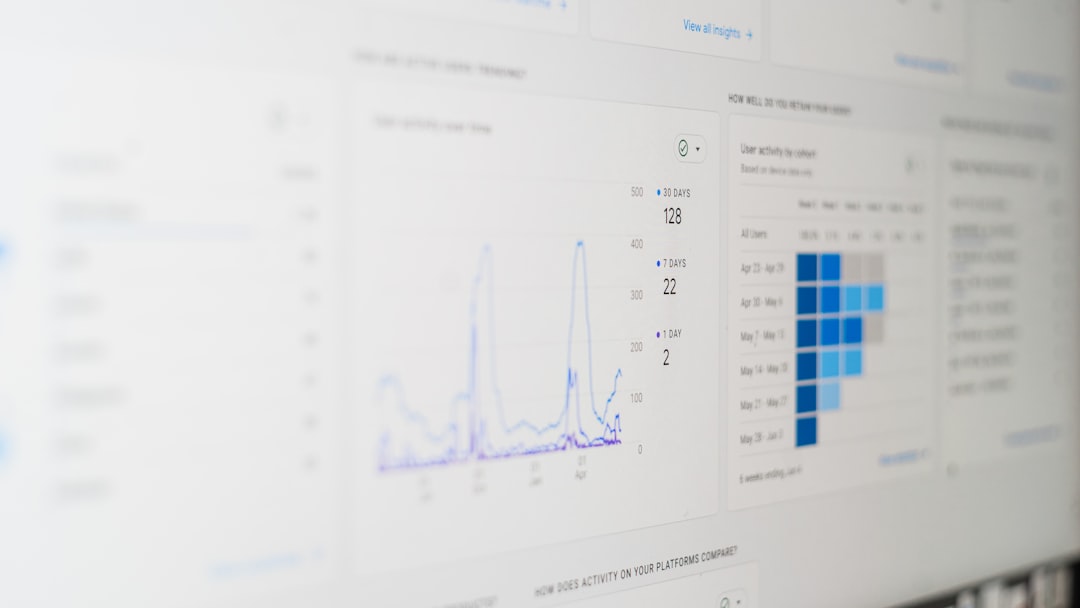
Modern fuel oil delivery software does more than process transactions. It provides operational intelligence. Reports and dashboards can show how the business is performing across key areas, including:
- Gallons delivered per day, truck, driver, or route
- Average delivery size and delivery frequency
- Route efficiency and miles per gallon delivered
- Runout rates and emergency delivery trends
- Customer profitability and retention
- Inventory variance and product movement
- Accounts receivable and payment performance
These insights help leadership move from reactive decision-making to proactive planning. For example, if a route consistently produces low delivery volume per mile, it may need to be redesigned. If certain customers frequently require small emergency deliveries, they may be better suited for automatic delivery or a different service plan.

Scalability for Growing Distribution Operations
As a distributor grows, operational complexity increases. More customers, more trucks, more drivers, more delivery zones, and more pricing plans can overwhelm manual systems. Software allows the company to standardize workflows and scale without losing control.
A growing operation may add new branches, acquire competitors, or expand into additional fuel products. A well-designed software platform can support this growth by centralizing customer records, standardizing dispatch processes, and giving management visibility across locations.
Scalability is not only about size. It is also about flexibility. Seasonal demand, especially in heating oil markets, can create sudden pressure. During cold weather, the company must process more orders, optimize more routes, and respond to more service requests. Fuel oil delivery software helps teams manage these peaks with less confusion.
Choosing the Right Fuel Oil Delivery Software
Not every system is the right fit for every distributor. A small local heating oil company may need simple routing, mobile delivery tickets, and customer billing. A larger multi-location distributor may require advanced inventory controls, integrations, analytics, and commercial account management.
When evaluating software, decision-makers should consider:
- Ease of use: Office staff, dispatchers, and drivers should be able to adopt the system without unnecessary complexity.
- Industry fit: The platform should understand fuel delivery workflows, not just general logistics.
- Mobile reliability: Driver tools should work well in the field, including areas with limited connectivity if needed.
- Integration options: The software should connect with accounting, payment processing, tank monitoring, meters, or other systems when required.
- Reporting depth: Managers should be able to measure performance and profitability clearly.
- Support and training: Implementation assistance and ongoing support are important for long-term success.
The best choice is usually the platform that matches the distributor’s current needs while leaving room for future growth. A company should also evaluate how the software will improve daily workflows, not just whether it includes a long feature list.
The Operational Impact
When implemented well, fuel oil delivery software can transform distribution operations. Dispatchers gain better control over routes. Drivers receive clearer instructions. Office staff spend less time entering data. Customers receive faster answers and more accurate invoices. Managers gain visibility into performance, costs, inventory, and profitability.
The result is a more coordinated business. Instead of departments working from separate information sources, the entire operation can rely on one connected system. This creates fewer mistakes, smoother communication, and stronger service quality.
For fuel distributors facing rising labor costs, competitive pressure, and demanding customers, software is no longer just a convenience. It is becoming a practical foundation for efficient, profitable, and resilient distribution operations.
Frequently Asked Questions
What is fuel oil delivery software?
Fuel oil delivery software is a specialized platform that helps fuel distributors manage orders, routing, dispatching, deliveries, inventory, billing, customer records, and reporting. It is designed for the operational needs of heating oil, diesel, kerosene, and related fuel delivery businesses.
How does fuel oil delivery software improve routing?
It helps dispatchers group deliveries by location, truck capacity, customer need, and delivery priority. This can reduce drive time, improve truck utilization, lower fuel costs, and allow drivers to complete more deliveries in less time.
Can the software help prevent customer runouts?
Yes. Many systems use delivery history, consumption patterns, tank size, and degree-day calculations to estimate when customers need fuel. This supports automatic delivery scheduling and helps reduce the risk of empty tanks.
Does fuel oil delivery software work for small distributors?
Yes. Small distributors can benefit from digital routing, mobile tickets, customer records, and automated billing. The key is choosing a system that matches the company’s size and does not add unnecessary complexity.
Can drivers use the software in the field?
Most modern platforms include mobile tools for drivers. These tools may provide route details, customer notes, delivery instructions, digital tickets, proof of delivery, and real-time updates to the office.
What are the biggest benefits of fuel oil delivery software?
The biggest benefits usually include improved dispatch efficiency, fewer manual errors, faster invoicing, better inventory visibility, stronger customer service, and clearer reporting on operational performance and profitability.