

Enterprise search optimization is no longer just about ranking a few pages for attractive keywords. In large organizations, SEO touches technology, content, brand reputation, analytics, compliance, international markets, and revenue growth. That is why hiring an enterprise SEO expert can be one of the most important digital marketing decisions a company makes.
TLDR: An enterprise SEO expert helps large websites improve organic visibility, traffic, and conversions at scale. Their role combines technical SEO, content strategy, data analysis, stakeholder management, and cross-team leadership. When hiring one, look for experience with large sites, enterprise tools, complex migrations, analytics, and measurable business results.
Contents of Post
What Is an Enterprise SEO Expert?
An enterprise SEO expert is a specialist who manages search performance for large, complex websites, often containing thousands or millions of URLs. These sites may belong to corporations, ecommerce brands, SaaS companies, marketplaces, publishers, financial institutions, healthcare organizations, or global businesses with multiple regional domains.
Unlike a traditional SEO specialist who may work on smaller websites, an enterprise SEO professional must think at scale. A small technical issue on a 50-page website is manageable. The same issue across 500,000 pages can cost millions in lost traffic and revenue. Enterprise SEO requires a mix of strategic thinking, technical depth, process design, and organizational influence.
Core Responsibilities of an Enterprise SEO Expert
The responsibilities vary depending on the company, but most enterprise SEO experts handle several key areas.
1. Technical SEO at Scale
Technical SEO is often the foundation of enterprise search performance. The expert audits and improves crawling, indexing, site architecture, Core Web Vitals, structured data, canonical tags, redirects, pagination, JavaScript rendering, XML sitemaps, and internal linking.
They also work closely with developers and product teams to ensure SEO requirements are included in releases. In a large company, this may mean writing technical tickets, reviewing staging environments, and preventing SEO regressions before they go live.
2. Content Strategy and Optimization
Enterprise SEO is not only technical. A successful expert also understands content performance. They identify keyword opportunities, map search intent, optimize existing pages, and guide new content creation. For ecommerce, this may include category pages and product descriptions. For SaaS, it may involve solution pages, comparison pages, resources, and documentation.
The goal is not simply to publish more content, but to build a content ecosystem that supports customer journeys and business objectives.
3. Data Analysis and Reporting
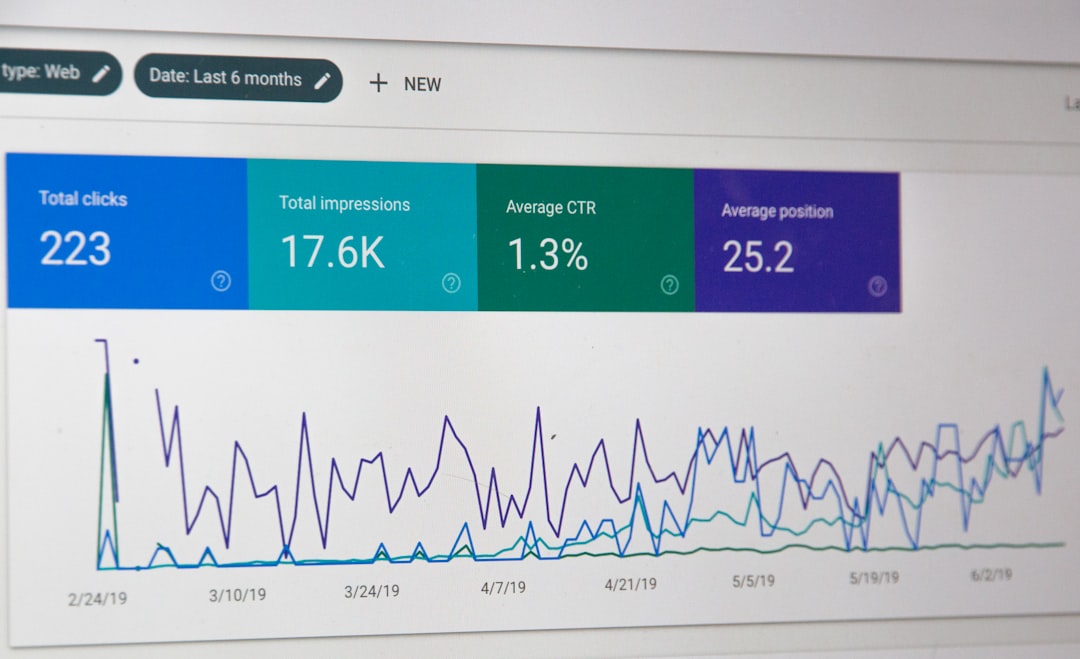
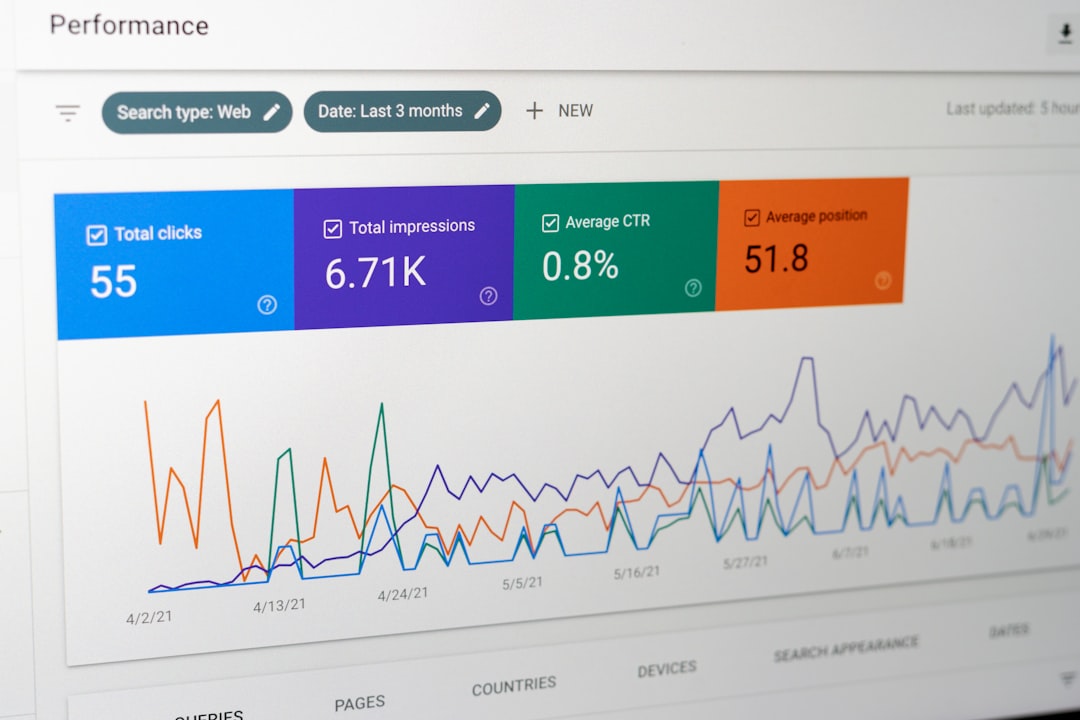
Enterprise SEO experts rely heavily on data. They analyze organic traffic, rankings, click-through rates, conversions, crawl data, log files, revenue attribution, and technical health. They translate complex metrics into clear insights for executives and teams.
Good reporting answers questions such as: What changed? Why did it happen? What should we do next? What is the business impact?
4. Site Migrations and Redesigns
Large-scale migrations are among the riskiest SEO events. A domain change, CMS migration, redesign, URL restructuring, or international rollout can significantly affect organic visibility. An enterprise SEO expert creates migration plans, redirect maps, testing processes, benchmark reports, and post-launch monitoring systems.
In many cases, their job is to prevent traffic loss before it happens.
5. Collaboration Across Departments
Enterprise SEO lives at the intersection of many teams. The expert may work with engineering, product, content, PR, UX, legal, analytics, brand, and leadership. Since SEO recommendations often require resources from other departments, communication and prioritization are critical.
A strong enterprise SEO expert does not just say, “Fix this.” They explain why it matters, what the impact is, and how it aligns with company goals.
Essential Skills to Look For
When evaluating an enterprise SEO expert, look beyond surface-level keyword knowledge. The best candidates bring a balanced skill set.
- Technical SEO expertise: Ability to diagnose crawling, indexing, rendering, speed, redirects, schema, and architecture issues.
- Analytics proficiency: Experience with tools such as Google Search Console, GA4, Looker Studio, Adobe Analytics, log file analyzers, and rank tracking platforms.
- Enterprise SEO platforms: Familiarity with tools like Botify, BrightEdge, Conductor, seoClarity, Screaming Frog, Sitebulb, Semrush, or Ahrefs.
- Content strategy: Understanding of keyword research, topic clusters, search intent, on-page optimization, and content performance analysis.
- Project management: Ability to prioritize large backlogs, manage deadlines, and coordinate multiple teams.
- Communication skills: Capacity to explain SEO to executives, developers, writers, and non-technical stakeholders.
- Commercial awareness: Focus on revenue, leads, acquisition cost, customer lifetime value, and measurable business outcomes.
Enterprise SEO Expert vs. Regular SEO Specialist
The difference is largely about scale, complexity, and influence. A regular SEO specialist may directly edit pages, optimize metadata, build content briefs, and run audits. An enterprise SEO expert may do those things too, but often spends more time building systems, frameworks, and processes that help hundreds of stakeholders make better SEO decisions.
For example, instead of optimizing 20 page titles manually, they might create title tag templates for 200,000 product pages. Instead of fixing broken links one by one, they may work with engineering to solve the root cause. Instead of writing every content brief, they may train editorial teams and build repeatable workflows.
When Should a Company Hire an Enterprise SEO Expert?
A company should consider hiring one when organic search has become too important or complex to manage casually. Common signs include:
- The website has thousands or millions of pages.
- Organic traffic is a major revenue or lead source.
- The company is planning a migration, redesign, or international expansion.
- SEO issues require engineering or product involvement.
- Multiple teams publish content without SEO governance.
- Performance has plateaued despite ongoing marketing activity.
- Executives need clearer SEO forecasting and reporting.
If SEO mistakes can significantly affect revenue, reputation, or acquisition costs, expert oversight is worth the investment.
How to Hire the Right Enterprise SEO Expert
Hiring the right person requires more than scanning a resume for tool names. Use a structured process to evaluate technical skill, strategic judgment, and organizational fit.
1. Define the Business Need
Start by identifying your primary challenge. Do you need technical cleanup, content growth, migration support, international SEO, ecommerce optimization, or executive-level strategy? The clearer the need, the easier it is to find the right expert.
2. Review Relevant Experience
Look for proven work on large or complex sites. Ask about website size, traffic levels, industries served, and the types of problems solved. A strong candidate should be able to describe specific outcomes, such as improved indexation, increased non-branded traffic, recovered rankings, or reduced crawl waste.
3. Ask Scenario-Based Questions
Instead of only asking generic SEO questions, present real situations. For example:
- “Organic traffic dropped 30% after a migration. How would you investigate?”
- “Google is indexing millions of low-value URLs. What would you do?”
- “Developers cannot prioritize SEO fixes. How would you build the business case?”
- “A global site has duplicate content across regions. How would you approach it?”
The best answers will show methodical thinking, not just memorized tactics.
4. Evaluate Communication Style
Enterprise SEO often succeeds or fails based on influence. Can the candidate explain technical issues clearly? Can they persuade leadership? Can they collaborate respectfully with developers and content teams? Strong communication is not a bonus; it is a core requirement.
5. Request Examples of Reporting
Ask how they measure success. A capable enterprise SEO expert should discuss leading indicators, such as crawlability and impressions, as well as business outcomes, such as conversions, revenue, qualified leads, and customer acquisition efficiency.

In-House, Agency, or Consultant?
Companies can hire an in-house expert, work with an agency, or bring in an independent consultant. Each option has advantages.
- In-house expert: Best for ongoing ownership, deep company knowledge, and long-term SEO governance.
- Agency: Useful when you need a broader team, specialist resources, or execution support.
- Consultant: Ideal for audits, migrations, strategy, training, or high-level problem solving.
Many enterprises use a hybrid model: an internal SEO lead supported by external specialists for technical audits, content production, or international projects.
Final Thoughts
An enterprise SEO expert is not just someone who “knows Google.” They are a strategic operator who connects search visibility with business growth. Their work can influence product decisions, technical architecture, content direction, brand reach, and revenue performance.
The right hire will bring structure to complexity, turn data into action, and help teams make smarter decisions at scale. For organizations with large websites and serious growth goals, investing in enterprise SEO expertise is not optional; it is a competitive advantage.