
Lumber is sold in many different ways depending on its intended use, but one of the most important measurement systems in woodworking and construction is the board foot. Whether you are a contractor estimating materials for a framing project or a hobbyist planning a custom furniture build, understanding how board feet are calculated ensures accuracy, cost control, and efficient material usage. A board foot calculator simplifies this process, but to use it effectively, you must first understand the underlying principles of lumber measurement.
TLDR: A board foot is a standard unit of measurement for lumber equal to one square foot of wood that is one inch thick. Board foot calculators help determine the volume and cost of lumber quickly and accurately by using a simple formula based on thickness, width, and length. Understanding how to calculate board feet prevents costly material shortages or overages. Mastering this concept is essential for builders, contractors, and DIY woodworkers.
Contents of Post
What Is a Board Foot?
A board foot is a unit of volume used in the lumber industry. It represents a piece of wood that measures:
- 12 inches long
- 12 inches wide
- 1 inch thick
This equals 144 cubic inches (12 × 12 × 1). Unlike linear feet, which only measure length, board feet measure the volume of lumber. This distinction is critical because wood comes in varying thicknesses and widths.
For example, a board that is 2 inches thick contains twice the volume of a board that is 1 inch thick of the same length and width. The board foot system accounts for this difference.

Why Understanding Board Feet Matters
Accurate board foot calculation is essential for several reasons:
- Accurate cost estimation – Lumber is often priced per board foot.
- Inventory planning – Prevents shortages during construction.
- Waste reduction – Helps minimize excess material ordering.
- Project budgeting – Allows precise financial forecasting.
For contractors, even a small miscalculation across dozens or hundreds of boards can significantly impact project costs. For hobbyists, incorrect estimates may derail a project entirely.
The Basic Board Foot Formula
The standard formula to calculate board feet is:
Board Feet = (Thickness × Width × Length) ÷ 144
Where:
- Thickness is measured in inches
- Width is measured in inches
- Length is measured in inches
- 144 represents the number of cubic inches in one board foot
Example Calculation
Suppose you have a board that is:
- 2 inches thick
- 8 inches wide
- 10 feet long
First, convert length to inches:
10 feet × 12 = 120 inches
Now apply the formula:
(2 × 8 × 120) ÷ 144 = 1920 ÷ 144 = 13.33 board feet
This piece contains approximately 13.33 board feet of lumber.
Using a Board Foot Calculator
A board foot calculator eliminates manual computation errors and speeds up the process. Most calculators require you to input:
- Thickness (inches)
- Width (inches)
- Length (feet or inches)
- Quantity of boards (optional)
Advanced calculators also compute total cost when you enter the price per board foot. This is particularly useful when comparing different wood species such as oak, maple, or walnut.
Reliable calculators automatically convert feet to inches if necessary and handle decimal outputs. This ensures consistent, accurate results.
Nominal vs. Actual Lumber Dimensions
One of the most common sources of confusion in lumber measurement is the difference between nominal and actual dimensions.
Nominal size refers to the name of the board (for example, 2×4).
Actual size refers to the true, finished dimensions.
For example:
- A “2×4” actually measures approximately 1.5 inches × 3.5 inches
- A “1×6” actually measures approximately 0.75 inches × 5.5 inches
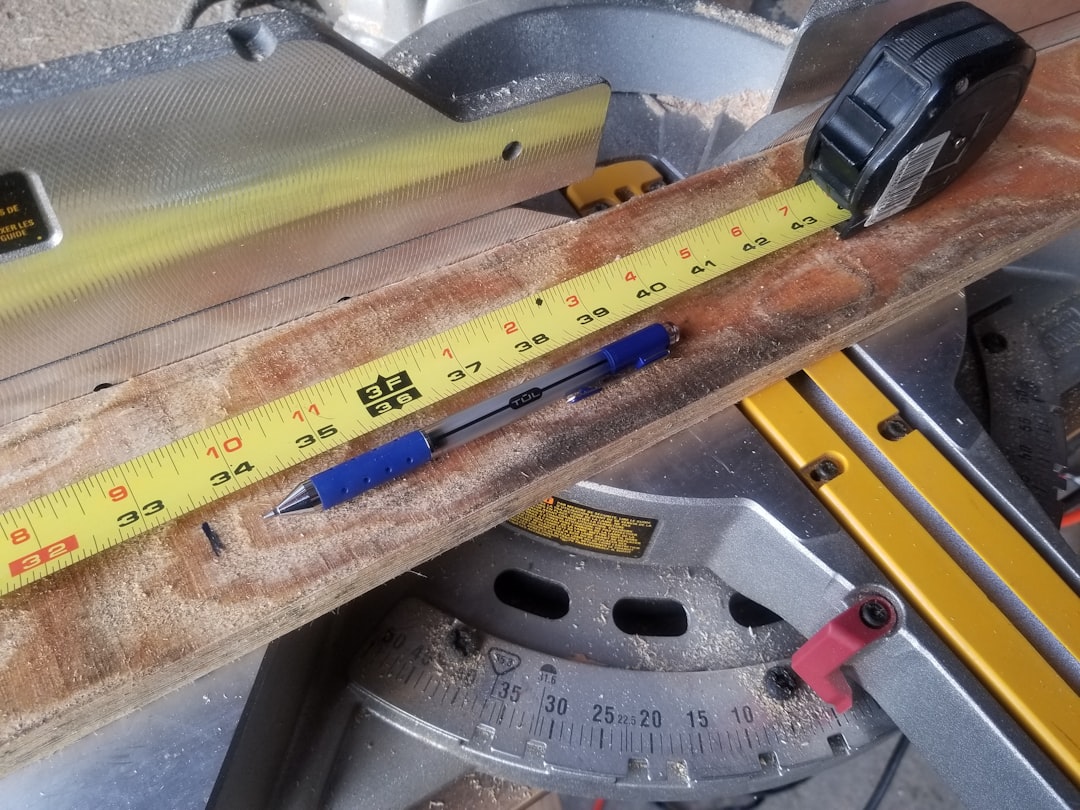
When calculating board feet, you must always use actual dimensions, not nominal sizes. Using nominal sizes will inflate your estimate and lead to ordering too much material.
Board Foot Calculation for Multiple Boards
When calculating several boards at once, you can simplify the process:
- Calculate the board feet for one piece.
- Multiply by the total number of identical boards.
Example:
- Single board = 5 board feet
- Number of boards = 20
Total = 5 × 20 = 100 board feet
This method is commonly used when ordering lumber in bulk.
Hardwood vs. Softwood Measurement
Board foot pricing is more commonly used for hardwoods such as:
- Oak
- Walnut
- Cherry
- Maple
Softwoods like pine and spruce are often sold by linear feet or by the piece, especially in construction settings.
Hardwood suppliers frequently sell rough-cut lumber where thickness may vary, making board foot measurement particularly important. Each piece must be individually measured to determine volume.
Accounting for Waste and Defects
Professional builders rarely order the exact calculated board footage. Instead, they add a waste allowance. Factors that contribute to waste include:
- Knots and defects
- Warping or twisting
- End trimming
- Cutting mistakes
- Grain matching requirements
A common recommendation is to add:
- 10% for standard construction
- 15–20% for fine woodworking projects
This buffer reduces the risk of project delays due to material shortages.
Special Considerations for Rough Lumber
Rough-sawn lumber is typically sold in thickness increments such as:
- 4/4 (roughly 1 inch thick)
- 5/4 (roughly 1.25 inches thick)
- 8/4 (roughly 2 inches thick)
However, these measurements are before planing. After surfacing, boards will be thinner. A 4/4 board may finish at approximately 13/16 inch.
When purchasing rough stock, confirm whether pricing reflects rough or surfaced thickness. This distinction materially affects the board foot total.
Common Mistakes to Avoid
Even experienced woodworkers occasionally make calculation errors. Avoid these common pitfalls:
- Using nominal instead of actual dimensions
- Forgetting to convert feet to inches
- Ignoring thickness variation
- Failing to include waste allowance
- Rounding calculations too early
Accurate measurement demands consistency. Always measure carefully and confirm decimals when dealing with fractional dimensions.
Visualizing Board Foot Measurements
For beginners, understanding volume can be abstract. It may help to imagine stacking thin 1-inch boards until you create a block that fills a 12 × 12 × 12 inch cube. That stack equals 12 board feet.
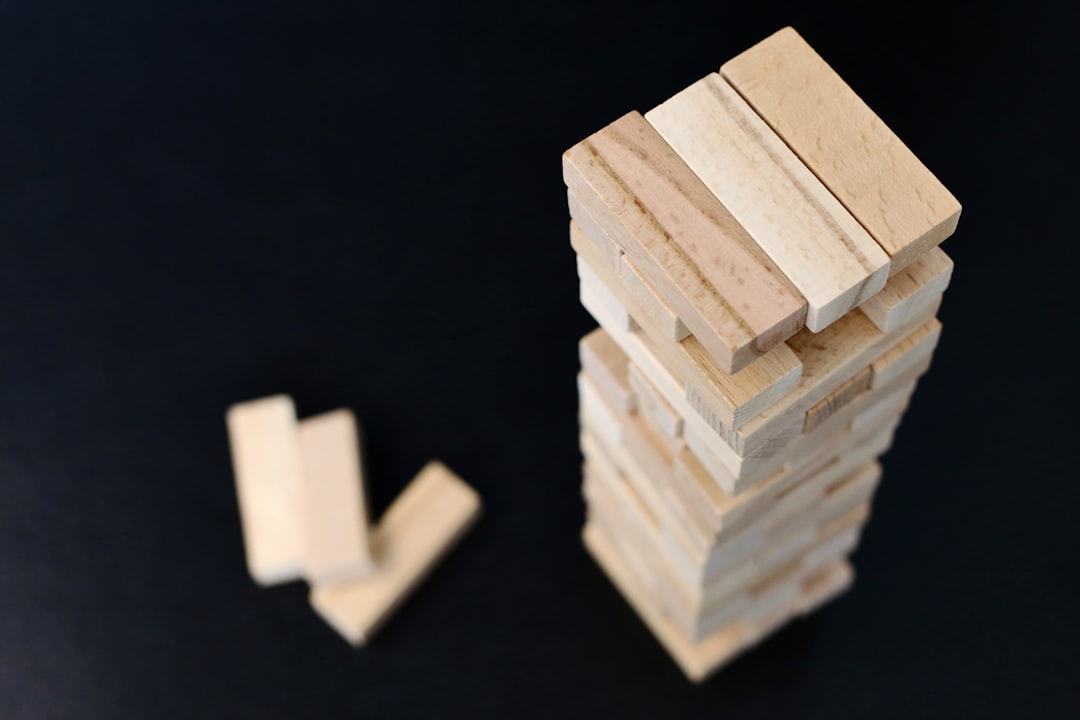
Visual references make it easier to grasp why thicker boards dramatically increase total volume. Doubling thickness doubles board footage—even if length and width remain the same.
Integrating Board Foot Calculations into Project Planning
In professional construction and cabinetry, board foot calculations are integrated early in the planning stage. Architects and contractors typically:
- Estimate total volume required from plans
- Segment materials by species and thickness
- Calculate total board feet per material
- Apply waste margins
- Obtain pricing from suppliers
This disciplined approach ensures financial predictability and reduces procurement errors.
Final Thoughts
Understanding and accurately calculating board feet is a foundational skill in woodworking and construction. While board foot calculators simplify the process, confidence comes from knowing the logic behind the calculation. By mastering the formula, recognizing the distinction between nominal and actual dimensions, accounting for waste, and verifying thickness, you protect both your project timeline and your budget.
Lumber represents a significant portion of material costs in many builds. Taking the time to measure carefully and calculate properly is not optional—it is a professional responsibility. With a clear understanding of board foot measurement, you gain control, accuracy, and reliability in every lumber purchase.