
SEO in 2026 is more data-driven, more competitive, and more influenced by search experience than ever. Marketers need tools that reveal how people search, how pages perform, and where technical issues prevent visibility. The good news is that some of the most reliable SEO platforms are still free, especially when used together in a disciplined workflow.
TLDR: The best free SEO tools in 2026 help marketers monitor performance, discover keyword opportunities, check technical health, and improve content quality. Start with Google Search Console, Google Analytics 4, and Bing Webmaster Tools for core visibility data. Add tools like Google Trends, PageSpeed Insights, Screaming Frog, and schema validators to strengthen research and technical SEO. Used consistently, these tools can support serious SEO decisions without requiring a paid subscription.
Contents of Post
1. Google Search Console
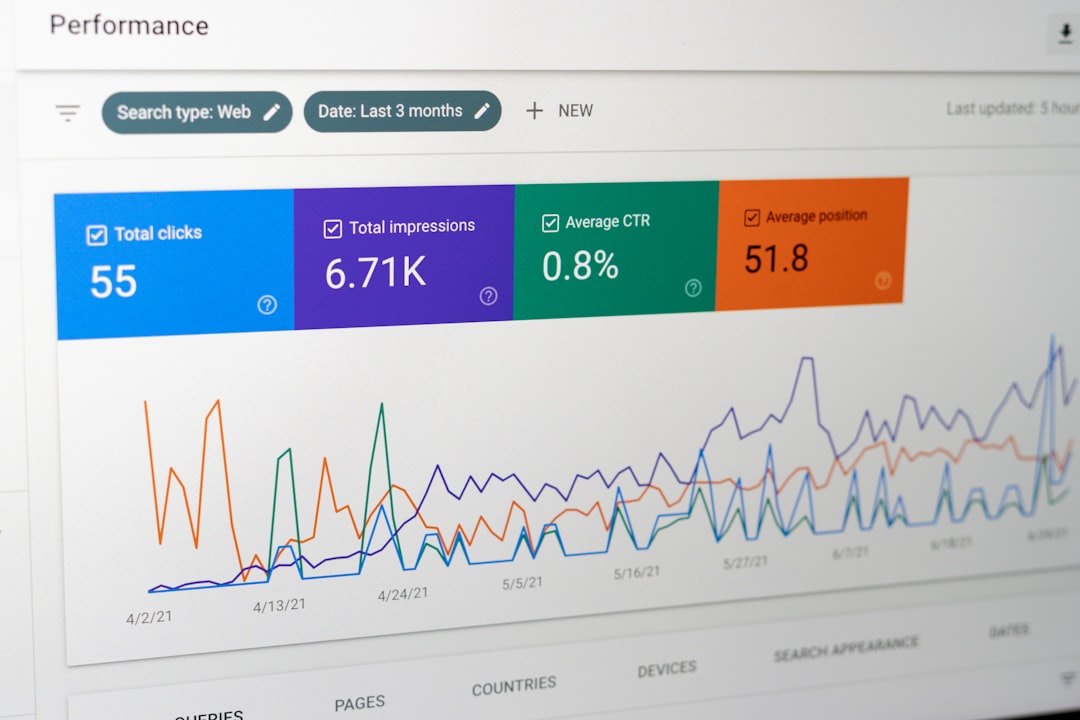
Google Search Console remains one of the most important free SEO tools for any marketer. It shows how Google sees your website, which queries generate impressions, which pages earn clicks, and where indexing problems may exist.
Its value is strongest when you use it for ongoing diagnosis, not just reporting. Review the Performance report to identify pages with high impressions but low click-through rates. These are often opportunities to improve title tags, meta descriptions, and content alignment. The Indexing and Experience reports also help detect crawl issues, mobile usability concerns, and page experience warnings before they become larger traffic problems.
2. Google Analytics 4
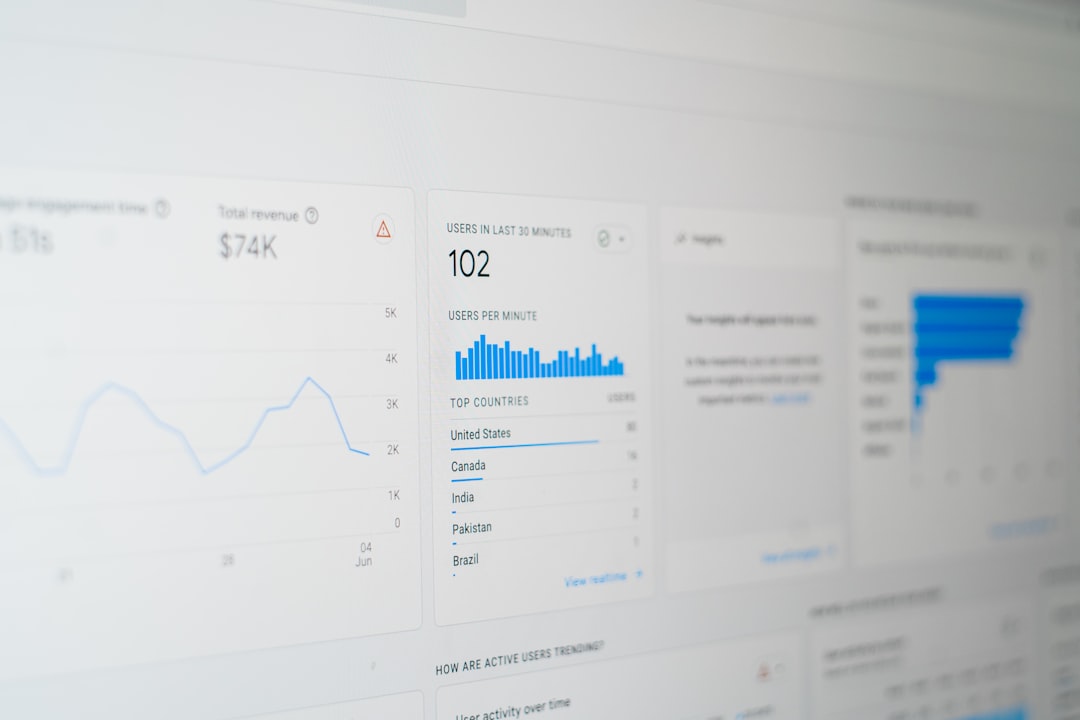
Google Analytics 4 does not replace Search Console, but it completes the picture. Search Console tells you how users arrive from Google Search; GA4 helps explain what they do after landing on your site.
For SEO, focus on organic traffic engagement, conversion events, landing page performance, and user journeys. A page may rank well but fail to generate leads, signups, or revenue. GA4 helps marketers connect SEO performance to business outcomes, which is essential for serious reporting in 2026.
3. Bing Webmaster Tools
Bing Webmaster Tools is often underestimated, but it deserves a place in every SEO workflow. Bing continues to power important search experiences, including parts of AI-assisted discovery, and its webmaster platform provides useful technical and keyword data.
The tool offers crawl diagnostics, backlink information, SEO recommendations, and keyword performance data. It can also surface issues that may not appear immediately in Google Search Console. For brands that rely on visibility across multiple search ecosystems, Bing Webmaster Tools is a practical and credible free resource.
4. Google Trends
Google Trends is not a traditional keyword research tool, but it is one of the best free platforms for understanding demand. It helps marketers see whether interest in a topic is rising, falling, seasonal, or region-specific.
This matters because SEO is not only about ranking for existing terms; it is also about anticipating what audiences will search next. Use Google Trends to compare topics, validate content ideas, identify emerging search behavior, and plan editorial calendars around seasonal peaks. In competitive markets, timing can be as important as keyword volume.
5. Google Keyword Planner
Google Keyword Planner is designed for advertising, but it remains useful for SEO research. It provides keyword ideas, search volume ranges, competition indicators, and related query suggestions.
Marketers should treat its data as directional rather than absolute. The tool is especially effective when used to group related terms, understand commercial intent, and discover variations around a core topic. Combined with Search Console data, Keyword Planner can help you expand existing content or identify new landing page opportunities.

6. PageSpeed Insights
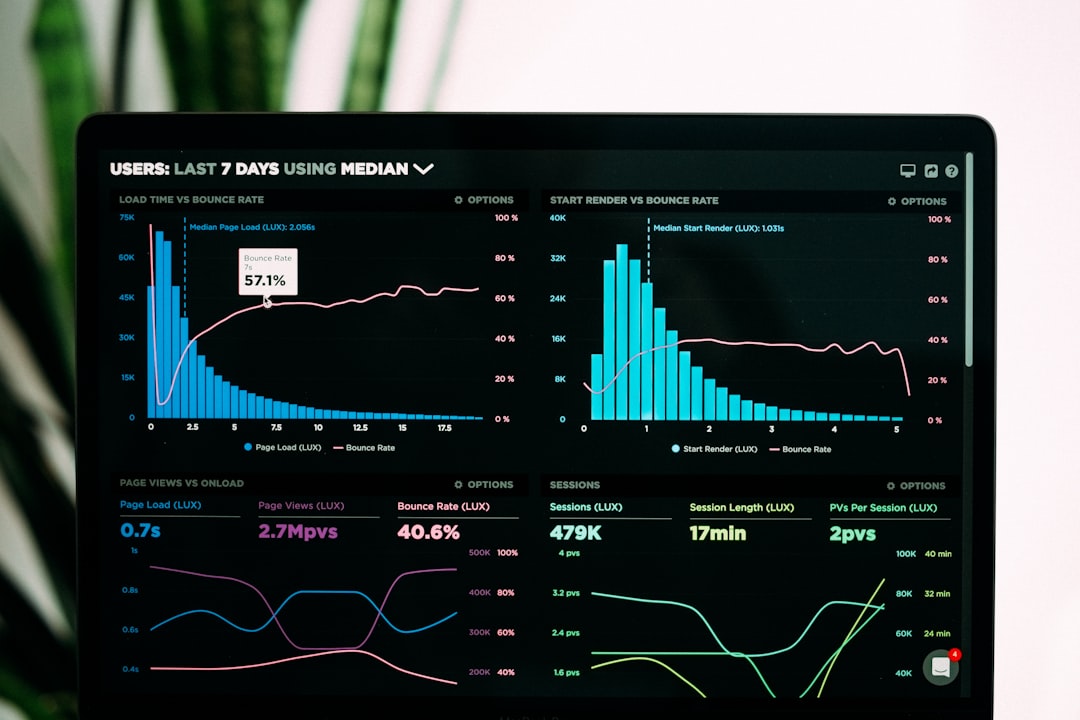
PageSpeed Insights is essential for evaluating performance from both a lab and field-data perspective. It reports on Core Web Vitals such as Largest Contentful Paint, Interaction to Next Paint, and Cumulative Layout Shift.
In 2026, speed and usability are not optional. Slow pages can reduce conversions, increase bounce rates, and weaken the overall search experience. PageSpeed Insights provides specific recommendations, such as optimizing images, reducing unused JavaScript, improving server response times, and addressing layout shifts. While not every recommendation will be easy to implement, the tool gives marketers and developers a shared diagnostic language.
7. Screaming Frog SEO Spider Free Version
Screaming Frog SEO Spider is one of the most respected technical SEO crawlers available. The free version has crawl limits, but it is still powerful enough for small websites, audits of priority sections, and spot checks.
Use it to identify broken links, missing title tags, duplicate meta descriptions, redirect chains, thin pages, canonical issues, and improper heading structures. For marketers managing content-heavy sites, even a limited crawl can reveal patterns that are difficult to spot manually. It is particularly useful before a site migration, redesign, or major content refresh.
8. Schema Markup Validator
Schema Markup Validator helps verify whether structured data is implemented correctly. Structured data does not guarantee rich results, but it helps search engines better understand entities, page types, products, reviews, events, articles, and other important information.
In a search environment increasingly shaped by machine interpretation and AI-generated summaries, clear structured data is a technical advantage. Marketers should use schema validation when publishing product pages, articles, FAQ sections, local business pages, and other content types where context matters. Errors in markup can reduce eligibility for enhanced search features, so validation should be part of the publishing checklist.
9. Ahrefs Webmaster Tools
Ahrefs Webmaster Tools provides free access to useful site audit and backlink data for verified websites. While the full Ahrefs platform is paid, the webmaster version gives marketers a strong starting point for understanding technical health and link profiles.
Backlink quality remains a major part of SEO analysis. This tool helps identify referring domains, anchor text patterns, and potentially problematic links. The site audit feature can also detect technical issues such as crawl errors, internal linking problems, duplicate content, and performance concerns. For website owners who need reliable third-party data without immediate software costs, it is a strong option.
How to Use These Tools Together
The real value comes from combining these tools into a consistent process. No single free platform provides a complete SEO picture, but together they cover the most important areas: visibility, behavior, technical performance, keyword demand, and content opportunity.
- Weekly: Review Google Search Console for clicks, impressions, indexing issues, and ranking changes.
- Monthly: Analyze GA4 landing page performance and compare organic traffic against business goals.
- Monthly: Crawl important site sections with Screaming Frog and fix technical issues.
- Quarterly: Use Google Trends and Keyword Planner to update your content roadmap.
- Before publishing: Check page speed, structured data, metadata, and internal links.
This workflow helps avoid a common mistake: collecting SEO data without acting on it. The best marketers turn recurring insights into prioritized improvements. For example, if Search Console shows declining clicks for a high-value page, GA4 can reveal whether engagement is also weakening. Screaming Frog can check whether technical changes affected the page, while Google Trends can show whether demand for the topic has shifted.
Final Thoughts
Free SEO tools are not just for beginners. In 2026, many professional marketers still rely on them because they provide direct, trustworthy, and actionable data. Paid platforms can add scale and convenience, but the foundation of effective SEO is still built on accurate measurement, technical discipline, and informed content decisions.
Start with the tools that provide first-party data, especially Google Search Console, Google Analytics 4, and Bing Webmaster Tools. Then expand your process with research, speed testing, crawling, schema validation, and backlink analysis. Used consistently, these nine free SEO tools can help marketers make better decisions, protect search visibility, and compete more effectively in an increasingly complex search landscape.