
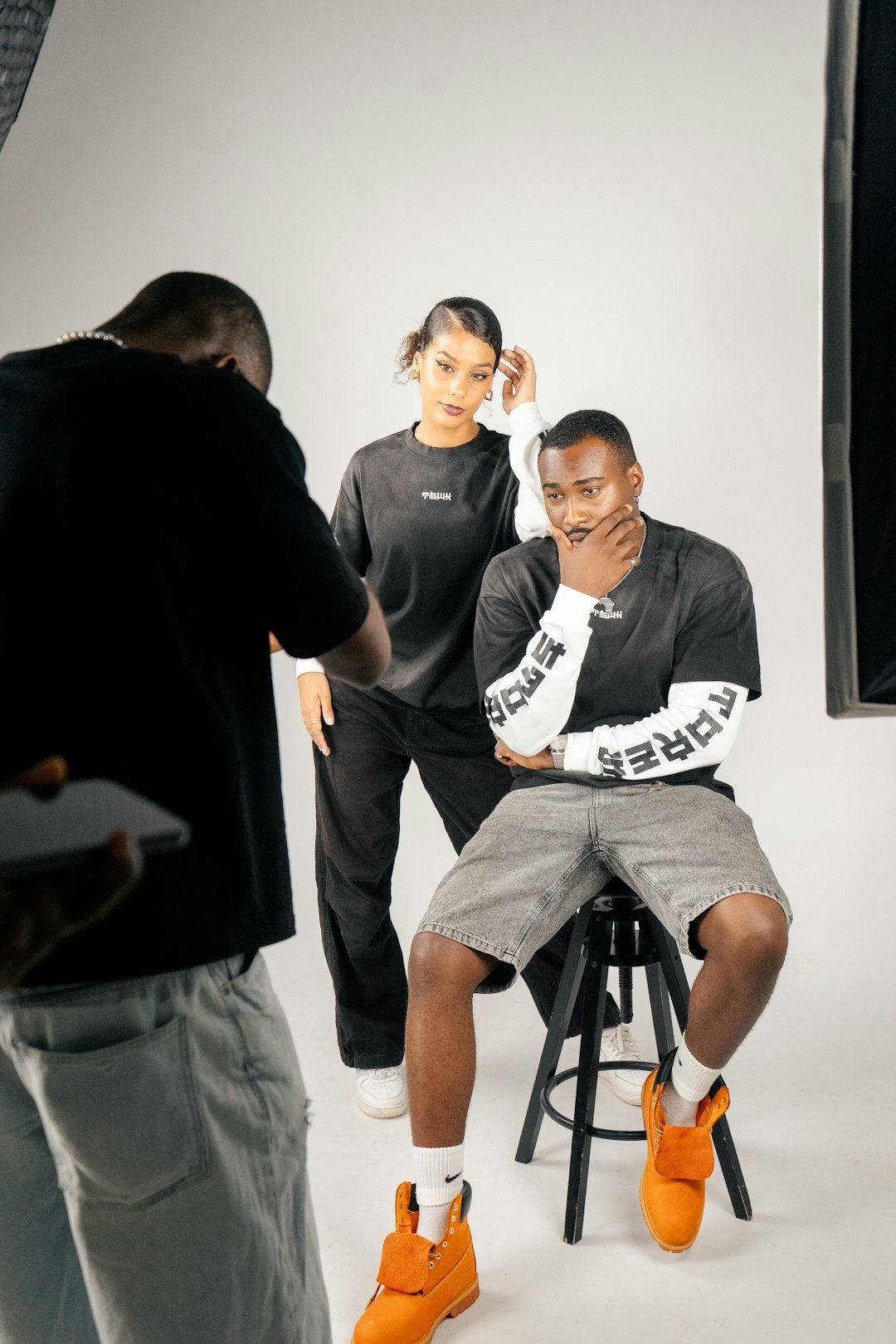
For decades, the modeling world was associated with very specific height requirements, especially in runway and high-fashion circles. But the industry has changed dramatically. Today, petite modeling jobs are available across commercial campaigns, beauty, lifestyle, e-commerce, fitness, social media, and niche fashion markets. If you are under traditional model height standards but have confidence, professionalism, and a strong look, there are more ways than ever to build a modeling career.
TLDR: Petite models can find work in commercial modeling, beauty campaigns, product photography, e-commerce, social media collaborations, and local brand shoots. The best way to get started is by building a simple portfolio, applying to reputable agencies, and networking with photographers and businesses. Height matters less in many modern modeling categories than personality, camera presence, reliability, and marketability.
Contents of Post
What Is Petite Modeling?
Petite modeling generally refers to modeling for people who are shorter than standard fashion model requirements. For women, traditional runway agencies often look for models around 5’8″ and above, while men are often expected to be around 6’0″ or taller. Petite models usually fall below those measurements, though exact definitions vary by agency and market.
Being petite does not mean being limited to one body type or look. Petite models can be curvy, athletic, slim, mature, youthful, edgy, classic, or highly commercial. What matters most is whether your appearance fits the needs of a brand, product, or audience.
Types of Petite Modeling Jobs
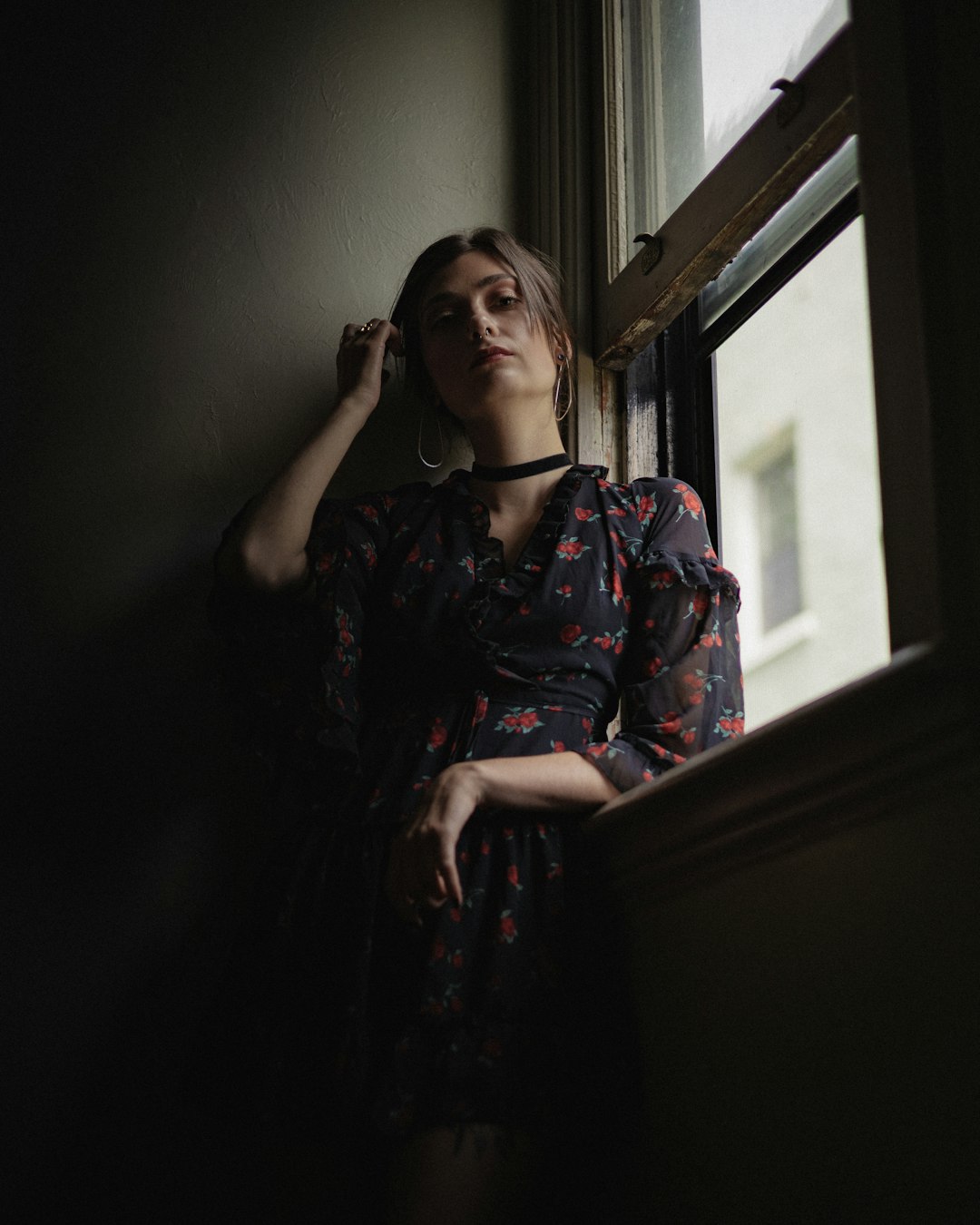
While high-fashion runway may still have stricter height expectations, many other areas are much more flexible. Petite models are especially in demand for campaigns that need relatable, approachable, and realistic representation.
- Commercial modeling: This includes ads for clothing, skincare, healthcare, food, travel, technology, banks, schools, and lifestyle brands. Commercial clients often want models who look like real customers.
- E-commerce modeling: Online stores need models to showcase clothing, accessories, shoes, jewelry, handbags, and beauty products. Petite models are useful for brands that sell petite sizing or want diverse fit representation.
- Beauty modeling: Height is rarely important in beauty work. Makeup, skincare, haircare, and fragrance campaigns focus on facial features, skin, hair, expression, and close-up camera presence.
- Parts modeling: If you have photogenic hands, feet, legs, eyes, lips, or hair, parts modeling can be a strong option. Jewelry, nail polish, shoes, watches, and cosmetics brands often hire parts models.
- Fitness and wellness modeling: Petite athletes, dancers, yoga practitioners, and fitness enthusiasts can model activewear, wellness products, supplements, and exercise programs.
- Social media modeling: Influencer-driven campaigns often prioritize engagement, personality, and visual branding over height. A petite creator with a strong online presence can attract paid collaborations.
- Fit modeling: Petite clothing brands hire fit models to test how garments fit on real petite bodies. This work is less about posing and more about accurate measurements, communication, and consistency.
Where to Find Petite Modeling Opportunities
The best opportunities often come from using several channels at once. You do not have to wait for one “big break.” Many petite models begin with smaller paid jobs, local shoots, and portfolio-building projects before moving into larger campaigns.
1. Modeling Agencies
Start by researching agencies that represent commercial, lifestyle, petite, or talent models. Look for agencies with a professional website, clear submission guidelines, and real client work. Many agencies allow online submissions with basic photos, measurements, and contact information.
Avoid agencies that pressure you to pay large upfront fees, buy expensive photo packages, or sign quickly without giving you time to review a contract. A reputable agency earns money when you book work, usually through commission.
2. Online Casting Platforms
Casting websites can be useful for finding modeling jobs, especially commercial shoots, student films, brand campaigns, and local creative projects. Some platforms offer free profiles, while others require a subscription. Before applying, read job details carefully and confirm payment, usage rights, location, and expectations.
Popular casting categories to search include commercial model, petite model, lifestyle model, beauty model, e-commerce model, and content creator.
3. Local Brands and Boutiques
Small businesses often need models for websites, social media, lookbooks, and seasonal promotions. Petite models can reach out to local boutiques, jewelry designers, salons, fitness studios, beauty brands, and photographers. A polite email with a few strong images and a short introduction can open doors.
Image not found in postmeta4. Social Media
Instagram, TikTok, and other visual platforms can function as a public portfolio. Brands frequently search for models and creators directly through hashtags, tagged photos, and location searches. Post clear, high-quality images that show your range: natural portraits, full-body shots, movement, lifestyle content, and product-style photos.
Use relevant hashtags such as #petitemodel, #commercialmodel, #petitefashion, #beautymodel, and location-based tags. More importantly, interact professionally with photographers, makeup artists, stylists, and brands in your area.
5. Networking With Creatives
Photographers, stylists, makeup artists, designers, and creative directors often recommend models for jobs. Attend local fashion events, small runway shows, portfolio days, art shows, and networking meetups when possible. Building a reputation as reliable, prepared, and easy to work with can lead to repeat bookings.
How to Get Started as a Petite Model
You do not need an expensive portfolio at the beginning. In fact, many agencies prefer simple, natural images that show what you really look like. Start with clean photos taken in good lighting, with minimal makeup and simple clothing.
- Take basic digitals: Include a clear headshot, profile shot, smiling shot, full-body front photo, and full-body side photo. Wear fitted clothing so your proportions are visible.
- Know your measurements: Record your height, bust, waist, hips, shoe size, clothing size, hair color, and eye color. Keep this information accurate and updated.
- Practice posing: Study commercial ads and learn how to create natural expressions, relaxed posture, and movement. Petite models can benefit from poses that lengthen the body, such as strong posture, angled legs, and extended neck lines.
- Create a simple portfolio: Once you have basic images, add a few professional shots that show variety: beauty, lifestyle, fashion, and full-body looks.
- Submit consistently: Apply to agencies, casting calls, and brand opportunities. Modeling requires patience, and rejection is normal at every level.
What Makes a Petite Model Bookable?
Height is only one factor in modeling, and in many categories it is not the deciding factor. Clients want models who can sell a product, express emotion, take direction, and look natural on camera. A model who is punctual, prepared, and professional is often remembered more than someone who simply has the “right” measurements.
Strong petite models usually develop the following qualities:
- Camera awareness: Knowing your angles, expressions, and posture helps you deliver better images faster.
- Versatility: Being able to look polished, casual, sporty, elegant, or playful increases your chances of booking different jobs.
- Confidence: Confidence reads clearly in photos and helps clients trust you with their campaign.
- Professional communication: Responding quickly, following instructions, and respecting deadlines matter.
- Personal branding: A consistent style and online presence can help brands understand where you fit.
Safety and Professionalism
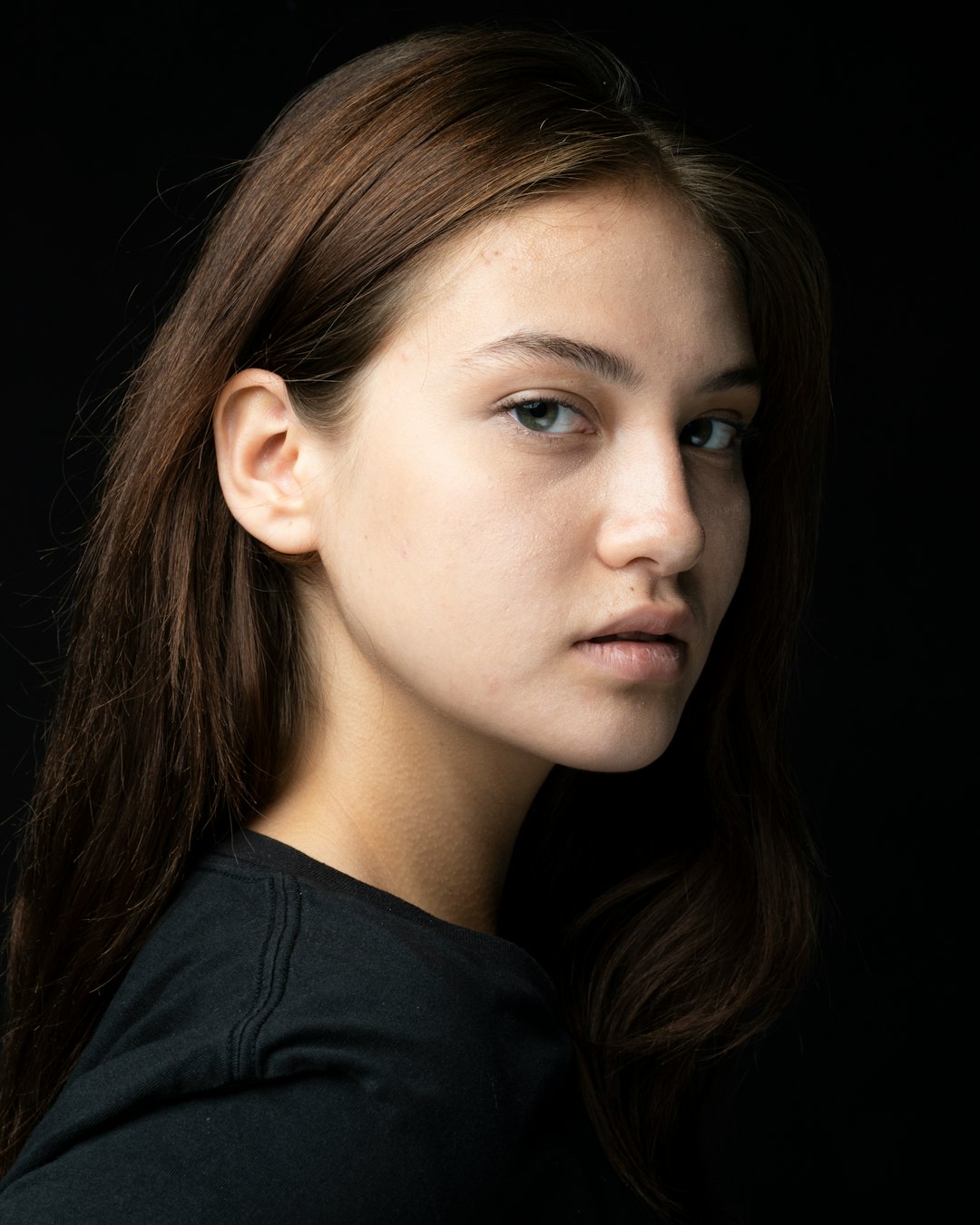
As you begin looking for work, protect yourself. Confirm who you are working with, where the shoot will take place, and how images will be used. If a project feels suspicious, vague, or unsafe, trust your instincts. For unpaid collaborations, make sure everyone agrees in writing on image access, editing, credits, and usage.
For paid jobs, clarify your rate, payment schedule, travel expectations, wardrobe requirements, and whether the client can use the images for ads, websites, packaging, or social media. Usage rights can affect pricing, especially if a brand wants to use your image commercially for a long period.
Final Thoughts
Petite modeling is no longer a small corner of the industry. As brands become more inclusive and consumers expect realistic representation, petite models have increasing opportunities to work in commercial, digital, beauty, fashion, and lifestyle spaces. The key is to understand where your look fits, present yourself professionally, and stay consistent.
If you are petite and interested in modeling, start with simple photos, research legitimate opportunities, and build experience one shoot at a time. Your height may shape your path, but it does not have to limit your potential.