
Public profiles are designed for visibility, but that does not automatically mean every visit is reported to the profile owner. Whether someone can see that another person viewed a public profile depends on the platform, the viewer’s privacy settings, and what kind of content was opened. In most cases, ordinary profile visits are private, while certain actions such as viewing stories, liking posts, following accounts, commenting, or enabling special profile-view features can make a viewer visible.
TLDR: In most cases, a person cannot see exactly who viewed a public profile unless the platform has a specific profile-view feature. Some platforms, such as LinkedIn and TikTok, may show profile viewers under certain settings. Public profile visits are usually different from viewing stories, reacting to posts, or sending messages, which can reveal activity. Third-party apps claiming to show profile visitors are often unreliable, unsafe, or scams.
Contents of Post
What “Viewing a Public Profile” Usually Means
A public profile is a profile that can be seen by people beyond the account owner’s approved friends, followers, or contacts. It may appear in search results, social media recommendations, hashtags, comments, or even search engines, depending on the platform’s settings. Public profiles are common on social networks, professional networking sites, creator platforms, forums, dating apps, and business directories.
However, visibility and visitor tracking are not the same thing. A profile can be public without giving the owner a list of everyone who visited it. Many platforms collect internal analytics, but they do not always share personally identifiable visitor information with users. A platform may know that an account viewed a profile, but the profile owner may only see general numbers, such as total views, impressions, or reach.
In simple terms, public means accessible; it does not always mean traceable to the profile owner.
The Short Answer: Sometimes, But Usually Not
For many major social platforms, a basic public profile visit is not visible to the account owner. A person can often open a public Facebook profile, Instagram profile, X profile, or public creator page without appearing on a visitor list. The owner may see that their account reached more people, but not necessarily the names of those people.
There are important exceptions. Some services are built around professional networking, discovery, or dating, and they may show profile views as part of their core features. Others offer optional settings that reveal profile visits only when both users have similar tracking enabled. In addition, actions taken after landing on a profile can reveal the viewer. Following, liking, commenting, saving, sharing, reacting, tagging, voting, and messaging are all visible in different ways.
Platform Differences Matter
No single rule applies to all public profiles. Each platform has its own privacy design. The following examples show how different the answer can be from one service to another.
LinkedIn is one of the most notable platforms where profile views can be shown. If a person views someone’s LinkedIn profile, that viewer may appear in the “Who viewed your profile” section. The amount of information shown depends on privacy settings, account type, and whether the viewer is browsing in private mode.
If a person uses private mode, the profile owner may see an anonymous visitor instead of a name. However, using private mode can also limit the viewer’s ability to see who viewed their own profile. LinkedIn Premium may provide expanded viewer insights, but even then, privacy settings can restrict what is shown.
Facebook generally does not allow users to see a list of people who viewed their profile. A public Facebook profile, page, or post may receive views and engagement, but the owner usually cannot see every silent visitor. Facebook may provide analytics for pages and professional accounts, but these are typically aggregate insights rather than a complete list of individual profile viewers.
There are exceptions for specific content types. For example, stories show the account owner who viewed them while the story is active. A user who views someone’s Facebook story can usually be seen in the story viewer list.
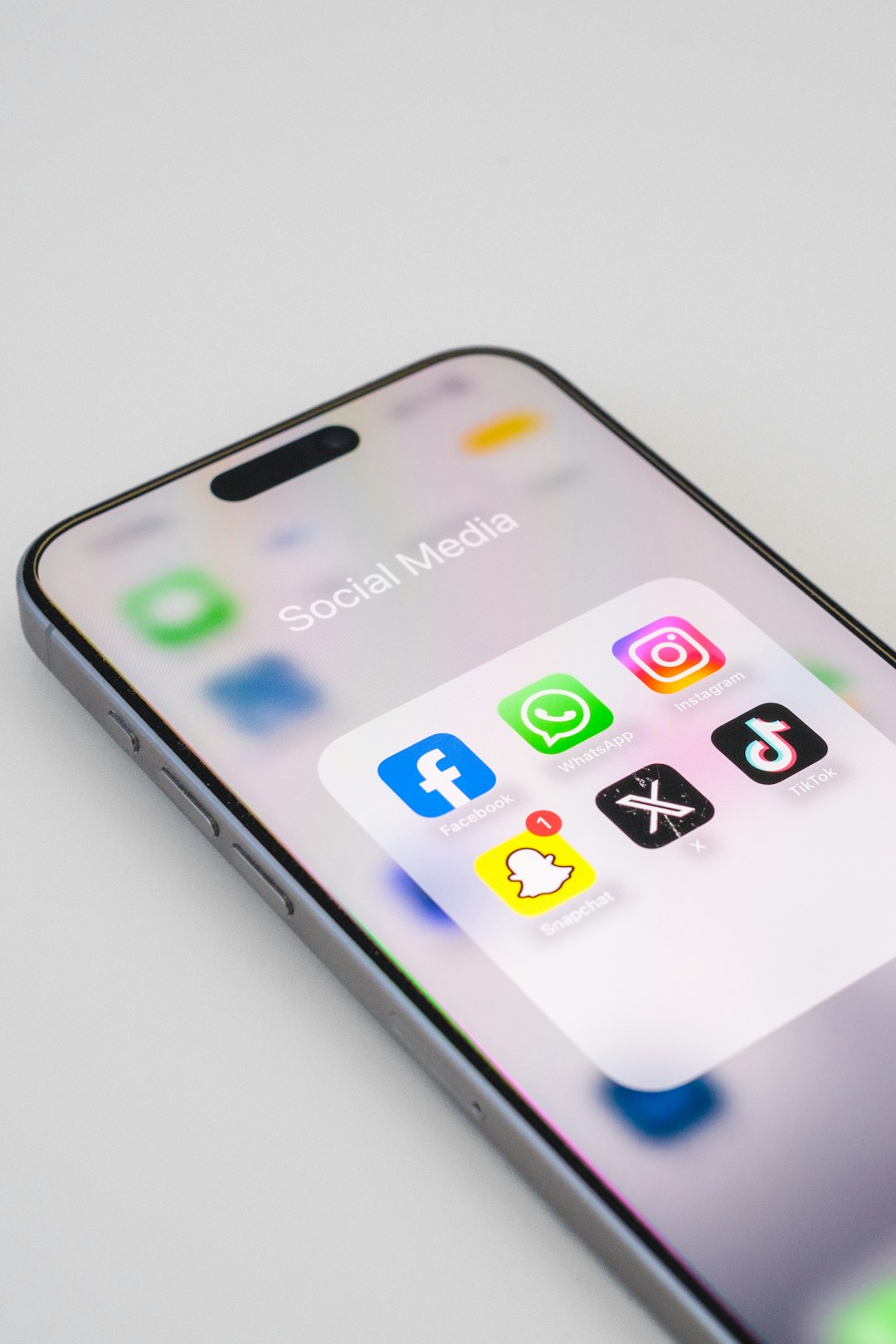
Instagram does not show users who viewed their profile. A person can typically look at a public Instagram profile without the profile owner receiving a notification or visitor list. However, Instagram stories are different. When an account views a story, the story owner can see that view. Interactions such as likes, comments, follows, and direct messages are also visible.
Public reels and posts may show view counts or engagement numbers, but not a complete list of everyone who watched or visited. The account owner may see analytics if the account is professional, but analytics usually focus on reach, impressions, locations, age groups, and follower behavior rather than naming every viewer.
TikTok
TikTok has had a profile view history feature in some regions and account types. When enabled, it may allow users to see certain accounts that viewed their profile within a recent time window. Typically, this feature works only when both the viewer and the profile owner have profile view history turned on. If the feature is disabled, profile viewing is more private.
TikTok also shows views and engagement on videos. Watching a public video may contribute to view counts, but that is not the same as appearing as an identified profile visitor. Comments, likes, follows, reposts, and direct interactions can still reveal activity.
X, Formerly Twitter
X does not generally show who viewed a public profile. Account owners may see analytics such as post impressions, engagement, and profile visit counts, depending on available features. These numbers do not usually identify individual visitors. A viewer becomes visible through actions such as following, replying, reposting, liking, subscribing, or sending a message.
Snapchat, Stories, and Similar Apps
On platforms built around stories or temporary content, viewing can be more visible. A public profile visit may not always be shown, but viewing a story often is. Screenshot notifications may also exist on some platforms or for certain content types. This is why a person can remain invisible while browsing a profile but become visible when opening a story, highlight, snap, or temporary update.
Profile Views Versus Content Views
A common source of confusion is the difference between viewing a profile and viewing content. A profile view means opening the main account page. A content view means opening or watching something posted by that account, such as a story, reel, video, live stream, photo, article, or status update.
Many platforms do not reveal profile viewers but do reveal viewers of specific content. Stories are the clearest example. Professional dashboards may also display content performance. A creator may not know that a particular person opened the profile, but the creator may know that a specific account viewed a story, joined a live stream, liked a video, or reacted to a post.
This distinction is important because “public” does not erase platform-specific tracking. A public story is still a story, and many story formats include viewer lists. A public livestream may show attendees or commenters. A public post may reveal anyone who interacts with it.
Can Third-Party Apps Reveal Profile Visitors?
Apps and websites that claim to show hidden profile visitors should be treated with caution. Many of them are misleading, outdated, or designed to collect logins, personal data, or payment information. If a platform does not officially provide profile visitor information, a third-party service usually cannot reliably produce it.
Some of these tools may guess based on engagement, followers, comments, or repeated interactions. Others may simply show random names or people who recently interacted with the account. In worse cases, they may ask for login credentials and compromise the user’s account. A profile owner should not assume that such tools provide real visitor data, and a viewer should not assume that these apps create legitimate visibility where the platform itself does not.
What a Profile Owner May Be Able to See
Even when exact visitor names are not shown, a profile owner may still receive useful information. Depending on the platform and account type, the owner may see:
- Total profile visits over a day, week, or month.
- Post impressions showing how many times content appeared on screens.
- Reach, meaning the number of unique accounts likely exposed to content.
- Audience demographics, such as general age range, city, country, or language.
- Follower growth after a post, campaign, or profile update.
- Engagement data, including likes, comments, shares, saves, and clicks.
These insights can help a creator, business, or professional understand performance without identifying every visitor. In many cases, privacy rules and platform policies prevent individual visitor lists from being shared.
Websites and Public Portfolios Are Different
Public profiles are not limited to social media. A person may view a public biography page, portfolio, company profile, author page, or online directory listing. In these cases, the owner may use website analytics. Analytics tools can show page views, referral sources, device types, approximate locations, and behavior patterns.
However, ordinary website analytics usually do not reveal a visitor’s personal identity. The site owner may see that someone from a certain city using a certain browser visited a page from a search engine, but not necessarily the person’s name. Identity may become clearer if the visitor logs in, submits a form, clicks a tracked email link, uses a company network, or interacts with a personalized system.
Actions That Can Reveal a Viewer
A silent profile visit is often private. Active engagement is not. The following actions may reveal a person’s presence:
- Following or connecting with the profile owner.
- Liking, reacting to, or favoriting a post.
- Commenting on public content.
- Viewing stories, statuses, or temporary posts that include viewer lists.
- Joining a live stream where attendees are visible.
- Sending direct messages or message requests.
- Sharing content in a way that notifies the creator.
- Taking screenshots on platforms that send screenshot alerts for certain content.
For someone trying to understand privacy, the safest assumption is that passive browsing may be hidden, but interaction is usually visible.
Privacy Settings Can Change the Answer
Privacy settings are central to whether profile viewing is visible. Some platforms allow users to choose between public, private, anonymous, or limited viewing modes. Others allow profile view history to be turned on or off. A viewer’s account settings and the profile owner’s settings may both matter.
For example, a platform may show profile views only when both parties have agreed to participate in viewer history. Another platform may let a viewer browse anonymously but reduce access to analytics in return. Professional networking platforms often make these trade-offs more explicit than entertainment-focused social networks.
Because settings change over time, the most accurate answer is always found in the platform’s current privacy and help sections. Features that existed last year may disappear, return, or become limited to certain countries, ages, or account types.
Common Myths About Public Profile Viewing
- Myth: Every public profile owner gets a list of visitors.
Reality: Most platforms do not provide a complete visitor list. - Myth: Private browsing mode in a web browser makes all platform activity invisible.
Reality: Browser privacy mode does not necessarily hide activity from a logged-in platform. - Myth: Third-party apps can unlock hidden visitor lists.
Reality: These tools are often inaccurate or unsafe. - Myth: Looking at a public profile is the same as viewing a story.
Reality: Stories often have visible viewer lists, while profiles often do not.
Conclusion
Whether someone can see if another person views a public profile depends on the platform and the type of activity. In most situations, a simple public profile visit is not shown by name. Still, certain platforms, especially professional or discovery-based networks, may reveal profile viewers through built-in features.
The most important distinction is between passive viewing and active engagement. A profile visit may remain private, but viewing stories, liking posts, commenting, following, messaging, or joining live content can make a viewer visible. For the most accurate answer, a person should check the privacy settings and official help page of the specific platform involved.
FAQ
Can someone see if a public profile is viewed without interacting?
Usually not. On many platforms, silent profile visits are not shown to the profile owner. Exceptions exist on platforms with profile-view features, such as LinkedIn or certain TikTok settings.
Can someone see profile views on Instagram?
Instagram does not show who viewed a profile. However, it does show who viewed stories, and it reveals interactions such as likes, comments, follows, and messages.
Can someone see profile views on Facebook?
Facebook generally does not allow users to see who viewed their profile. Story views and some interactions may still be visible.
Does LinkedIn show profile viewers?
Yes, LinkedIn can show profile viewers depending on privacy settings and account type. Private mode may hide the viewer’s name or show only limited information.
Are profile viewer apps real?
Most third-party profile viewer apps are not reliable. Many are scams, privacy risks, or tools that only guess based on visible engagement.
Can a website owner see who visited a public profile page?
A website owner may see analytics such as page views, location estimates, device type, and referral sources. Personal identity is usually not visible unless the visitor logs in, submits information, or uses a trackable link.
What activity is most likely to reveal a viewer?
Viewing stories, liking posts, commenting, following, messaging, joining live streams, or triggering screenshot notifications are more likely to reveal activity than simply opening a public profile.