
Packaging design succeeds when the final printed carton, label, pouch, or display closely matches the approved creative intent. Soft proofing tools help design teams, brand managers, prepress specialists, and converters review artwork on calibrated screens before ink, substrate, plates, or production time are committed. The best tools combine color accuracy, annotation workflows, dieline and layer inspection, and clear approval tracking.
TLDR: The best soft proofing tools for packaging design include Adobe Acrobat Pro, Esko WebCenter and Studio, GMG ColorProof and OpenColor, Kodak InSite, DALIM ES, Approval Studio, and PageProof. For color-critical packaging, teams usually need calibrated monitors, ICC profiles, substrate simulation, and controlled viewing conditions. For collaboration-heavy projects, online proofing platforms with comments, version comparison, and approval records may be more important than advanced spectral color prediction.
Contents of Post
Why Soft Proofing Matters in Packaging Design
Packaging is more complex than many other forms of graphic design because it must work across shape, material, color, compliance, and production constraints. A folding carton may include spot colors, varnishes, embossing, foil, barcodes, nutrition panels, dielines, glue areas, and multiple language versions. A label may need to wrap around a bottle while staying legible under retail lighting. A flexible pouch may print differently depending on film, white ink, lamination, and printing method.
Soft proofing provides a digital checkpoint before physical proofing or final production. It helps stakeholders compare versions, inspect details, flag legal issues, review color separations, and approve artwork without relying entirely on printed mockups. While it does not replace press expertise or, in some cases, a contract proof, it can significantly reduce rework and speed up approval cycles.
What Makes a Soft Proofing Tool Good for Packaging?
The strongest soft proofing tools for packaging usually include several core capabilities:
- Color management: Support for ICC profiles, monitor calibration, spot colors, and device simulation.
- Dieline visibility: Clear viewing of cut, fold, bleed, trim, safety zones, and nonprinting technical layers.
- Separation preview: Ability to inspect CMYK, spot plates, varnish, white ink, metallics, and special finishes.
- Annotation and approval: Tools for comments, markups, task assignment, version control, and formal signoff.
- 3D preview: Visualization of cartons, labels, shrink sleeves, pouches, and displays in realistic form.
- Security and audit trails: Permission controls and records showing who approved what and when.
- Integration: Compatibility with Adobe Creative Cloud, prepress systems, DAM platforms, and workflow automation.
1. Adobe Acrobat Pro
Adobe Acrobat Pro remains one of the most widely used soft proofing tools because PDF is the dominant exchange format in packaging print workflows. It is especially useful for checking artwork structure, preflight issues, overprint behavior, separations, dimensions, and annotations.
Packaging teams often rely on Acrobat Pro for PDF review before sending files to prepress. Its Output Preview panel can simulate overprint, inspect color separations, and reveal whether spot colors are present as expected. It also supports comments, stamps, measurement tools, and comparison between document versions.
Its main limitation is that it is not a complete, packaging-specific approval ecosystem by itself. It can show important technical details, but it does not offer the same level of automated workflow control, 3D packaging visualization, or enterprise approval management as specialized platforms. Still, for many studios and small packaging teams, it is an essential baseline tool.
2. Esko WebCenter and Esko Studio
Esko is one of the most established names in packaging prepress, and its tools are built specifically for packaging production. Esko WebCenter is a web-based approval and project management platform, while Esko Studio helps designers visualize packaging artwork in 3D.
WebCenter is particularly strong for companies managing many SKUs, regulated packaging, private label programs, or multi-stakeholder approvals. It offers structured review cycles, version control, task management, annotation tools, and approval history. For teams that need accountability and consistency, this can be more valuable than simple PDF commenting.
Esko Studio adds another layer by allowing designers and reviewers to see artwork applied to realistic 3D packaging forms. This is useful for checking panel alignment, label wrap, carton orientation, sleeve distortion, and shelf impact. For packaging teams that need both technical accuracy and visual presentation, Esko often sits near the top of the list.

3. GMG ColorProof and GMG OpenColor
GMG is highly respected for professional color management. GMG ColorProof is known for producing reliable contract proofs, while GMG OpenColor specializes in predicting color behavior for complex print conditions, including spot colors, overprints, and packaging substrates.
For soft proofing, GMG workflows are valuable when packaging color must be consistent across print methods, materials, and suppliers. This matters for brand colors, especially when a product line includes cartons, labels, flexible packaging, corrugated displays, and promotional materials produced by different vendors.
GMG’s strengths are most relevant to color-critical organizations with disciplined calibration practices and professional prepress teams. It is less likely to be chosen as a lightweight annotation tool and more likely to be part of a serious color-managed environment.
4. Kodak InSite Creative Workflow
Kodak InSite is a well-known online proofing and approval platform used in commercial print and packaging environments. It allows stakeholders to review files through a browser, add comments, compare revisions, and approve pages or artwork elements.
For packaging design, Kodak InSite can help printers, agencies, and brand owners collaborate without endless email chains. Its value lies in structured proof distribution, centralized feedback, and reduced ambiguity. Reviewers can see the current version, mark corrections, and confirm approvals in one controlled location.
It is especially practical for organizations already using Kodak workflow systems. While it may not be as design-oriented as some creative review tools, it is strong in production environments where proofing must connect closely with print workflow.
5. DALIM ES
DALIM ES is an enterprise-level platform for online proofing, workflow automation, asset management, and approval management. It is used by brands, agencies, retailers, and print service providers that need to control large volumes of creative and packaging work.
Its strengths include collaborative review, automated routing, soft proofing, version tracking, and integration with broader content workflows. For packaging teams handling many variants, markets, and approval stages, DALIM ES can reduce operational complexity.
This type of platform is best suited to organizations with formalized processes. It may be more powerful than needed for a small design studio reviewing occasional packaging files, but it can be extremely effective for enterprise packaging operations.
6. Approval Studio
Approval Studio is a cloud-based proofing tool focused on visual review and approval. It is commonly used for packaging, labels, print designs, and marketing assets. Its interface is designed to make feedback simple for nontechnical reviewers while still offering useful tools for comparing versions and marking changes.
Packaging teams may appreciate its side-by-side comparison, annotation tools, barcode review support in some workflows, and approval tracking. It is a practical choice for agencies and brands that need smoother communication but do not require a full prepress production system.
Its main advantage is accessibility. Stakeholders can review artwork online without needing advanced software knowledge. However, color-critical decisions still require proper monitor calibration and controlled conditions.
7. PageProof
PageProof is another online proofing platform that supports design review, approval routing, version control, and collaborative comments. It is used for creative production across packaging, marketing, digital, and print assets.
For packaging design, PageProof is useful when multiple departments must be involved, such as marketing, legal, regulatory, product, and production. It helps keep feedback organized and reduces the risk of conflicting comments being scattered across emails, PDFs, and chat threads.
Its strength is workflow clarity rather than advanced color science. Therefore, it is best paired with professional PDF preflight and color-managed proofing practices when final packaging color is critical.
8. Hybrid Software PACKZ
PACKZ by Hybrid Software is a professional packaging prepress editor rather than only a soft proofing platform. It is built for labels and packaging production, with tools for trapping, separations, step and repeat, variable data, barcodes, and technical file inspection.
For experienced prepress teams, PACKZ can serve as a powerful environment for checking and preparing packaging artwork before production. It allows detailed inspection of production-critical elements that general review tools may not handle thoroughly.
It is most appropriate for converters, trade shops, and packaging prepress specialists. Designers may not need its full technical depth, but production teams often benefit from its packaging-specific controls.
How to Choose the Right Tool
The best soft proofing tool depends on the team’s role in the packaging process. A brand team may need clear approval workflows and easy commenting. A prepress department may need separation controls, trapping, overprint previews, and accurate color simulation. A design agency may need both collaborative review and attractive 3D visualization.
For smaller teams, a practical setup might include Adobe Acrobat Pro for PDF inspection, a calibrated monitor, and an online approval tool such as Approval Studio or PageProof. For packaging specialists, Esko, GMG, or PACKZ may provide deeper production value. For enterprise teams, DALIM ES or Kodak InSite may better support large-scale workflow control.
Teams should also consider the following questions:
- Is the primary challenge color accuracy, approval speed, or technical prepress inspection?
- Does the packaging include spot colors, metallics, white ink, varnish, or transparent materials?
- How many people must review and approve each file?
- Are audit trails required for legal, regulatory, or brand compliance?
- Does the printer or converter already use a preferred proofing workflow?
Best Practices for Reliable Soft Proofing
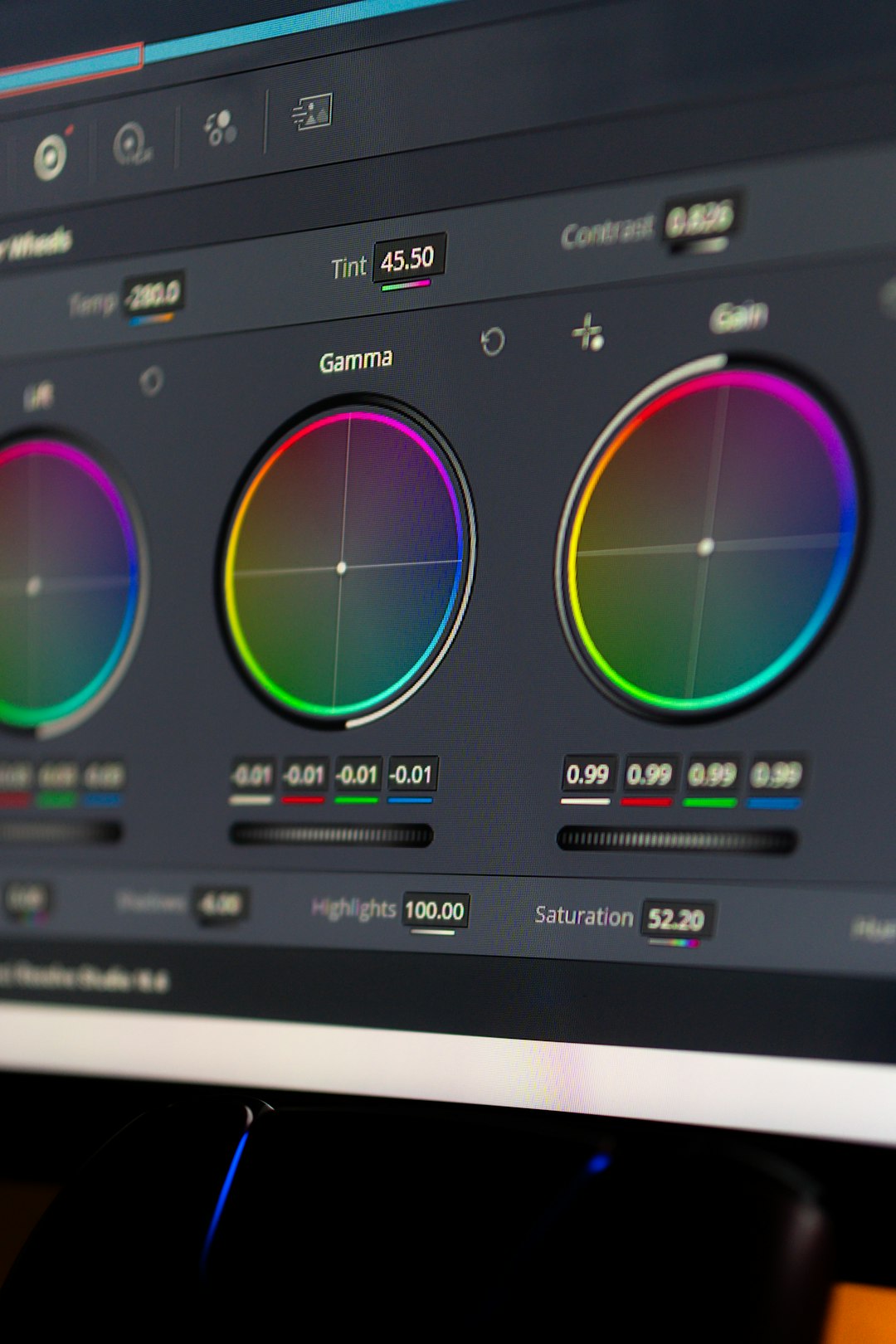
Even the best software can produce misleading results if the viewing environment is uncontrolled. A reliable soft proofing workflow should include a calibrated, high-quality monitor, current ICC profiles, consistent lighting, correct PDF export settings, and clear rules about who is authorized to approve final artwork.
Reviewers should understand that standard office monitors and laptop screens are not dependable for final color decisions. They may be acceptable for layout, copy, dielines, and general design review, but color-critical approvals should take place on calibrated displays under appropriate conditions. In many cases, a hard proof or press drawdown may still be required for final brand color confidence.
Conclusion
The best soft proofing tools for packaging design are not identical because packaging teams have different needs. Adobe Acrobat Pro is a dependable everyday PDF inspection tool. Esko WebCenter and Studio excel in packaging-specific approval and 3D visualization. GMG is excellent for color-critical workflows, while Kodak InSite and DALIM ES support structured production environments. Approval Studio and PageProof make collaborative review easier, and PACKZ gives prepress teams deep technical control.
In most professional packaging workflows, the strongest approach combines more than one tool: one for creative collaboration, one for technical inspection, and one for color-managed proofing. When these tools are supported by disciplined process and calibrated viewing conditions, soft proofing becomes a reliable way to reduce errors, shorten approval cycles, and protect brand consistency.
FAQ
What is soft proofing in packaging design?
Soft proofing is the review of packaging artwork on a screen to evaluate layout, colors, separations, dielines, and production details before printing. It helps teams identify problems early and reduce the need for repeated physical proofs.
Can soft proofing replace hard proofs?
Soft proofing can replace some internal review steps, but it may not fully replace hard proofs for color-critical, regulated, or high-value packaging. Final color approval may still require a calibrated contract proof or press proof.
Which tool is best for packaging color accuracy?
GMG OpenColor and related GMG color workflows are among the strongest options for advanced packaging color prediction. Esko and other prepress systems can also support strong color-managed workflows when properly configured.
Which soft proofing tool is best for small design teams?
Small teams often do well with Adobe Acrobat Pro for PDF checking and a cloud review tool such as Approval Studio or PageProof for comments and approvals.
Why is monitor calibration important?
Monitor calibration helps ensure that displayed colors are predictable and consistent. Without calibration, two reviewers may see very different colors on the same file, which can lead to poor decisions and unnecessary corrections.
Do packaging designers need 3D soft proofing?
3D soft proofing is not always required, but it is highly useful for cartons, sleeves, labels, pouches, and displays. It helps reviewers understand how flat artwork will appear on the final package shape.