
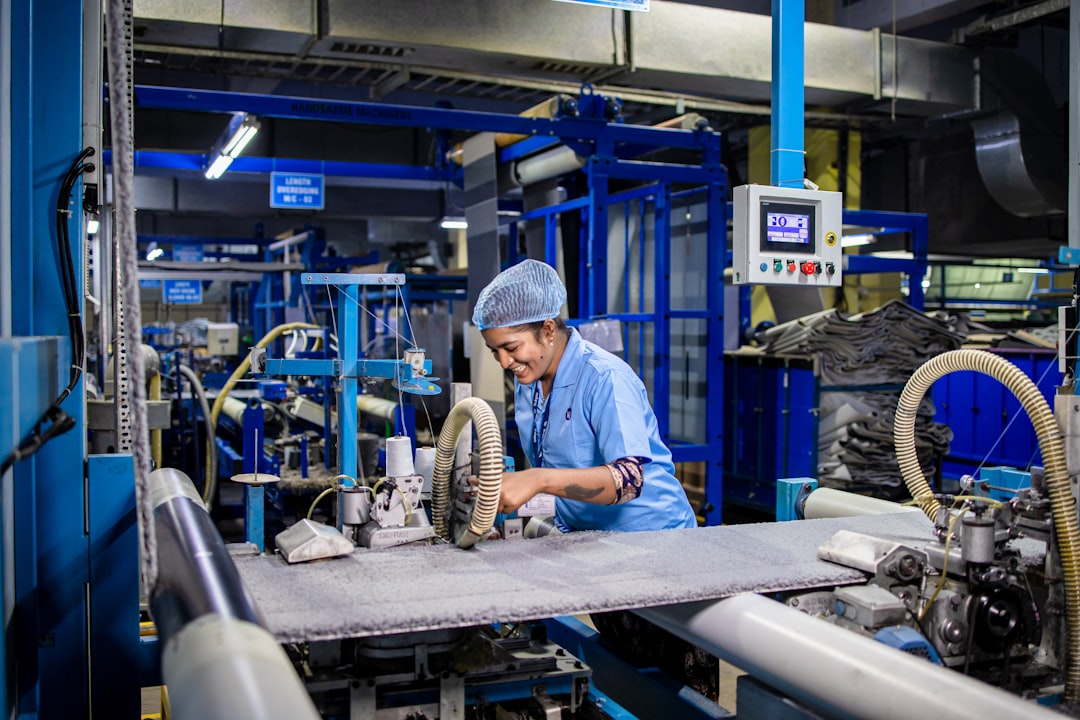
Modern manufacturing thrives on precision, timing, and coordination. From raw material procurement to final product delivery, every step must be aligned to avoid delays, reduce costs, and maximize efficiency. That’s where Manufacturing ERP (Enterprise Resource Planning) platforms come into play. While Odoo is widely recognized for its modular design and strong production planning tools, it isn’t the only option available. Many businesses are exploring alternative ERP platforms that offer specialized features, deeper industry focus, or scalable solutions tailored to complex production environments.
TLDR: Manufacturing ERP systems help streamline production planning, inventory management, procurement, and shop floor operations. While Odoo is a popular choice, several alternatives offer competitive and sometimes more specialized capabilities. Platforms like SAP Business One, Oracle NetSuite, Microsoft Dynamics 365, Infor CloudSuite, Epicor, and Katana provide strong solutions for manufacturers of all sizes. Choosing the right system depends on company size, budget, complexity, and integration needs.
Below are six manufacturing ERP platforms like Odoo that stand out for production planning, automation, and operational efficiency.
Contents of Post
1. SAP Business One
SAP Business One is designed for small to mid-sized manufacturers looking for a comprehensive yet scalable ERP system. Known for reliability and robust data management, SAP Business One integrates production planning with financials, inventory, and supply chain processes.
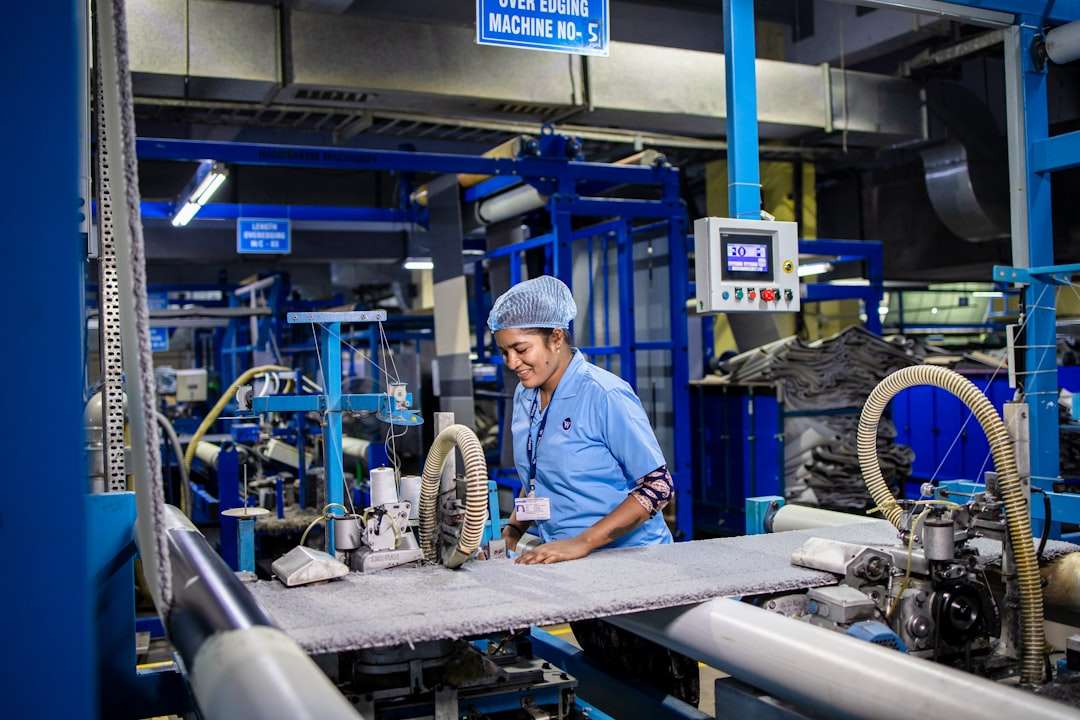
Key Production Planning Features:
- Material Requirements Planning (MRP) for automated procurement suggestions
- Real-time inventory and warehouse management
- Bill of Materials (BOM) creation and tracking
- Capacity planning tools
- Integrated quality control processes
What makes SAP Business One appealing is its depth. It provides strong analytics and reporting tools that help managers forecast demand, optimize resources, and prevent bottlenecks. Though it may require a higher initial investment compared to Odoo, it’s often preferred by businesses that anticipate rapid scaling.
Best for: Growing manufacturers that need enterprise-level analytics with structured operational control.
2. Oracle NetSuite ERP
Oracle NetSuite is a cloud-based ERP solution known for its flexibility and global-ready architecture. It’s particularly effective for manufacturers managing multiple locations or international supply chains.
Core Manufacturing Capabilities:
- Advanced demand planning and forecasting
- Work order management
- Supply chain coordination
- Real-time production tracking
- Multi-currency and multi-subsidiary management
Unlike some traditional ERP systems, NetSuite emphasizes cloud-first accessibility, making it a strong option for companies needing remote visibility into operations. Its production planning tools help manufacturers respond quickly to market changes while maintaining tight inventory control.
NetSuite also integrates seamlessly with CRM and eCommerce applications, which is a significant advantage for manufacturers selling directly to consumers.
Best for: Mid-sized to large manufacturers with international operations.
3. Microsoft Dynamics 365 Supply Chain Management
Microsoft Dynamics 365 offers a modern and highly integrated ecosystem for manufacturers. Built within the broader Microsoft environment, it connects production planning with advanced analytics and AI-driven insights.

Standout Features:
- AI-powered demand forecasting
- Intelligent inventory optimization
- Production floor management tools
- IoT-enabled equipment monitoring
- Seamless integration with Microsoft tools like Excel and Power BI
One of its greatest strengths is data visualization. With Power BI integration, manufacturers gain visual insights into cycle times, fulfillment rates, and machine efficiency. This allows for proactive adjustments rather than reactive problem-solving.
Dynamics 365 is especially useful for companies already embedded in the Microsoft ecosystem, enabling smoother user adoption and simplified system integration.
Best for: Data-driven manufacturers focused on analytics and automation.
4. Infor CloudSuite Industrial (SyteLine)
Infor CloudSuite Industrial, commonly known as SyteLine, is tailored specifically for manufacturers. It provides industry-specific solutions for discrete and process manufacturing.
Production Planning Advantages:
- Advanced Planning and Scheduling (APS)
- Finite capacity scheduling
- Detailed job and order tracking
- Product configuration tools
- Shop floor control dashboards
Infor stands out because of its specialization. Instead of a generic ERP approach, it offers role-based dashboards that cater to engineers, planners, and plant managers. This level of customization improves productivity and clarity.
Infor CloudSuite also emphasizes automation and machine-level integration, which is essential for complex manufacturing processes with tight tolerances.
Best for: Industrial and highly customized manufacturing environments.
5. Epicor Kinetic
Epicor Kinetic focuses exclusively on manufacturing industries, making it one of the strongest direct competitors to Odoo in production management.
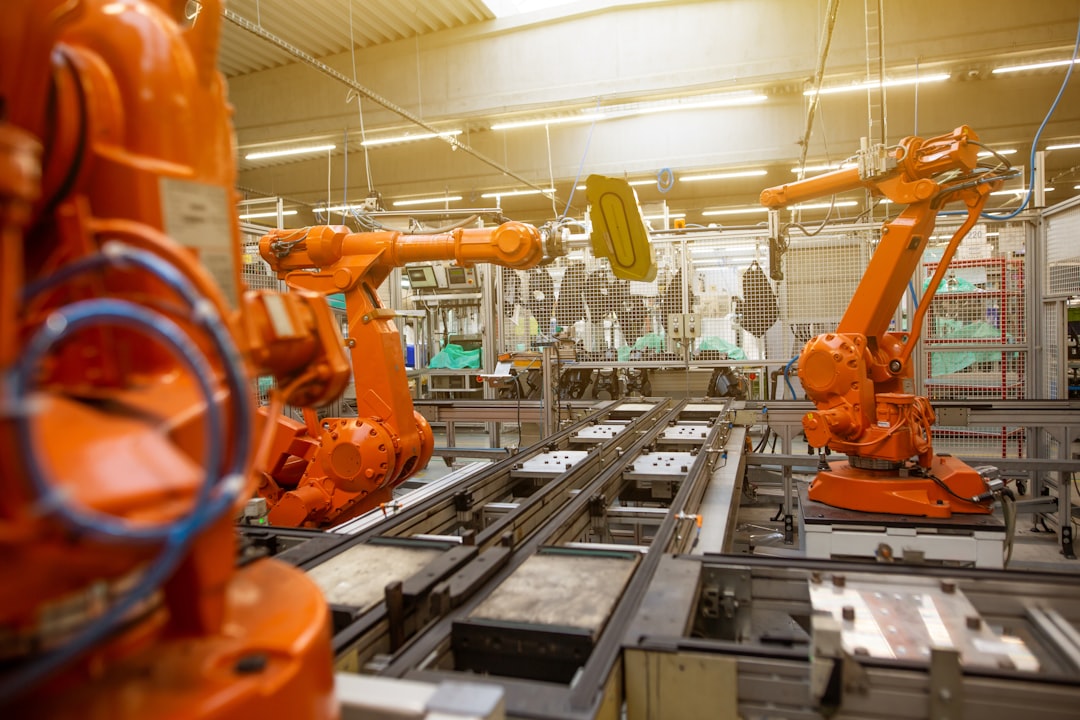
Main Features:
- Comprehensive MRP and MES (Manufacturing Execution System)
- Real-time shop floor data collection
- Engineer-to-order and make-to-order support
- Lean manufacturing tools
- Embedded business intelligence
Epicor’s strength lies in connecting engineering, planning, and execution phases. Its Manufacturing Execution System (MES) component ensures that production data flows in real time to decision-makers.
For manufacturers handling custom orders, complex assemblies, or engineer-to-order workflows, Epicor provides granular control over materials, labor, and timelines.
Best for: Custom manufacturers and complex production operations.
6. Katana Cloud Manufacturing
Katana is a more lightweight manufacturing ERP solution compared to enterprise-heavy platforms like SAP or Oracle. However, it provides powerful production planning tools for small and scaling manufacturers.
Notable Features:
- Visual production planning dashboard
- Real-time inventory tracking
- Automated purchase order creation
- Shop floor control app
- Integration with eCommerce platforms
Katana is designed with simplicity in mind. Its intuitive interface allows businesses to visualize raw material availability, production stages, and delivery timelines at a glance.
For startups or small manufacturing businesses that find Odoo too complex or enterprise solutions too expensive, Katana strikes a balance between functionality and affordability.
Best for: Small manufacturers and direct-to-consumer brands.
What to Consider When Choosing a Manufacturing ERP
Not all ERP systems are created equal. Selecting the right platform involves evaluating several critical factors:
- Production Complexity: Do you need basic MRP or advanced capacity scheduling?
- Company Size: Small businesses may not need enterprise-scale features.
- Customization: Does the system allow configuration without heavy coding?
- Integration: Can it connect seamlessly with accounting, CRM, and eCommerce systems?
- Deployment Model: Cloud-based vs on-premise solutions.
- Budget: Licensing, customization, training, and maintenance costs.
It’s also important to evaluate user experience. An ERP platform that looks powerful but frustrates employees can slow down production rather than improve it.
How These Platforms Compare to Odoo
Odoo is known for its modular structure and cost-effectiveness. It allows businesses to add applications as needed, from accounting to inventory and HR. However, competitors often offer:
- Deeper industry-specific functionality
- More advanced AI-driven forecasting
- Stronger global compliance support
- Enhanced scalability for multinational operations
That said, Odoo remains a flexible and affordable choice, particularly for companies willing to customize their system. But as operational complexity increases, businesses sometimes transition to solutions like SAP or Dynamics 365 for more structured enterprise oversight.
Final Thoughts
Manufacturing ERP systems are no longer optional—they are strategic tools for survival in competitive markets. Whether optimizing inventory turnover, aligning supply chains, or improving shop floor communication, the right ERP solution drives measurable results.
The six platforms listed above—SAP Business One, Oracle NetSuite, Microsoft Dynamics 365, Infor CloudSuite, Epicor Kinetic, and Katana—each bring distinct strengths to production planning. Some prioritize scalability and enterprise integration, while others focus on usability and affordability.
Ultimately, the best choice depends on your organization’s size, production model, and long-term growth strategy. Investing time in comparing features, scheduling demos, and conducting workflow analysis will ensure that your ERP platform becomes a growth accelerator rather than just another software expense.
In manufacturing, timing is everything. The right ERP system ensures you’re always one step ahead.