

Video content dominates today’s digital landscape, from streaming platforms and online learning portals to social media and enterprise communications. Behind every seamless playback experience is a powerful video transcoding pipeline that converts raw footage into optimized formats for various devices, bandwidths, and platforms. As audiences demand higher resolutions and faster delivery, cloud-based transcoding tools have become essential for scalability, cost efficiency, and global reach.
TLDR: Cloud-based video transcoding pipeline software enables businesses to process, optimize, and distribute video content at scale without investing in physical infrastructure. Leading tools like AWS Elemental, Bitmovin, Zencoder, Encoding.com, and Cloudinary offer automated workflows, adaptive bitrate streaming, and global delivery integration. Choosing the right platform depends on scalability needs, pricing structure, API flexibility, and workflow complexity. Each tool brings unique strengths suited to different production environments.
Whether you’re running a streaming startup, managing enterprise training videos, or running a media production company, selecting the right transcoding solution can dramatically impact performance, costs, and user satisfaction. Below are five of the most powerful cloud-based video transcoding pipeline software tools available today.
Contents of Post
1. AWS Elemental MediaConvert
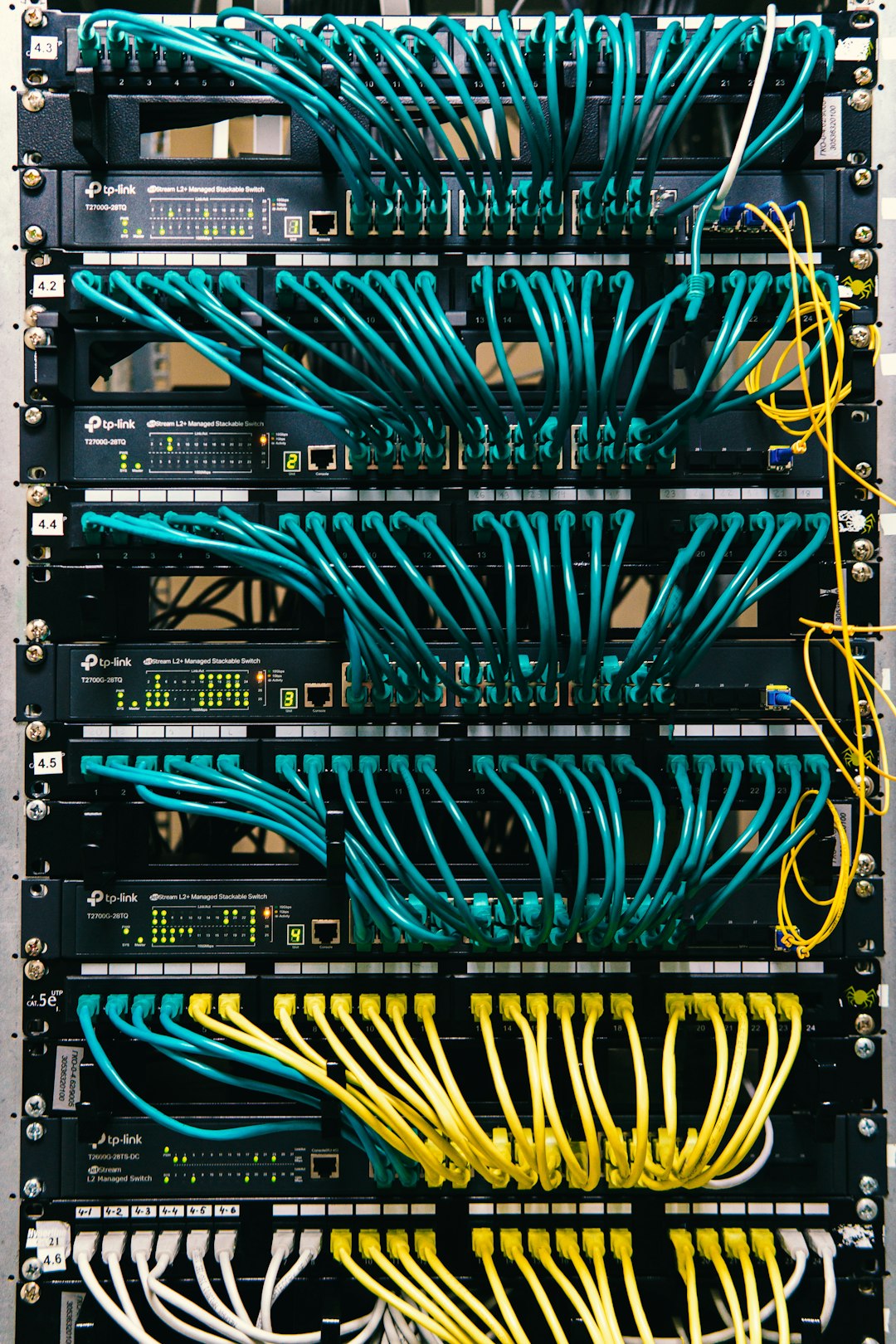
AWS Elemental MediaConvert is a robust file-based video transcoding service built for broadcast and multiscreen delivery. As part of the Amazon Web Services ecosystem, it integrates seamlessly with S3 storage, CloudFront CDN, and other AWS tools.
Key Features:
- Support for broadcast-grade formats and codecs
- Adaptive bitrate streaming output (HLS, DASH, CMAF)
- Dolby Vision and HDR processing
- Automated job templates and queue management
- Deep AWS ecosystem integration
Why It Stands Out: MediaConvert excels in scalable and reliable processing for enterprises. Its pay-as-you-go pricing makes it attractive for organizations with fluctuating workloads. The platform is particularly strong for companies already invested in AWS infrastructure.
Best For: Enterprises, broadcasters, and OTT platforms requiring high-quality, secure workflows.
2. Bitmovin Encoding
Bitmovin is known for its developer-first approach and advanced API-driven architecture. It offers fast, highly customizable transcoding pipelines designed for modern streaming services.
Key Features:
- High-efficiency encoding with per-title optimization
- Multi-cloud deployment support
- Advanced analytics integration
- Low-latency streaming capabilities
- Extensive RESTful API control
Bitmovin’s per-title encoding analyzes each video to determine optimal bitrate ladders, which helps reduce bandwidth costs while maintaining high visual quality. Its modular design makes it ideal for companies building custom streaming workflows.
Why It Stands Out: Exceptional flexibility and performance optimization make Bitmovin popular among streaming-first companies.
Best For: Tech-forward companies building customized streaming platforms.
3. Zencoder

Zencoder, now part of Brightcove, is one of the pioneers of cloud video encoding. It offers simple API-based transcoding and fast turnaround times.
Key Features:
- Fast cloud transcoding
- Simple and well-documented API
- Batch and large-scale encoding support
- Integration with major cloud storage systems
- Extensive format support
Zencoder focuses on speed and reliability. It allows businesses to spin up encoding jobs quickly without handling infrastructure management.
Why It Stands Out: Its simplicity makes it ideal for teams that need rapid deployment without heavy DevOps involvement.
Best For: Mid-sized businesses and development teams needing straightforward API-driven pipelines.
4. Encoding.com
Encoding.com is a long-established cloud video encoding platform offering broad format compatibility and delivery integrations.
Key Features:
- Support for 1,000+ output profiles
- Automated workflow triggers
- Global processing centers
- Built-in DRM support
- Subtitle and caption processing
One of Encoding.com’s strengths is its wide compatibility across devices and media platforms. It also excels at handling complex media workflows that include metadata insertion, ad markers, and accessibility features.
Why It Stands Out: Exceptional format support and workflow automation flexibility.
Best For: Media companies with diverse distribution requirements.
5. Cloudinary Video

Cloudinary is widely known for image management, but its video transcoding and optimization capabilities are equally impressive. Unlike traditional encoding platforms, Cloudinary focuses on media transformation and delivery optimization.
Key Features:
- On-the-fly video transformations
- Automatic format and quality optimization
- Built-in CDN delivery
- AI-based tagging and management
- Simple URL-based transformations
Developers can dynamically resize, compress, and convert video assets through URL parameters, making real-time optimization incredibly efficient.
Why It Stands Out: Automation and ease of integration into web and mobile apps.
Best For: SaaS platforms, eCommerce sites, and content-heavy web applications.
Comparison Chart
| Tool | Scalability | API Flexibility | Best Feature | Ideal For |
|---|---|---|---|---|
| AWS Elemental | Very High | High | Broadcast-grade processing | Enterprises and broadcasters |
| Bitmovin | Very High | Very High | Per-title optimization | Custom streaming platforms |
| Zencoder | High | Moderate | Fast deployment | Mid-sized teams |
| Encoding.com | High | High | Extensive format support | Media distributors |
| Cloudinary | Moderate to High | High | On-the-fly optimization | Web and SaaS platforms |
How to Choose the Right Video Transcoding Pipeline Software
Before committing to a solution, consider the following factors:
- Volume of Content: High-volume platforms need scalable cloud infrastructure.
- Delivery Complexity: Multi-device streaming requires adaptive bitrate packaging.
- Budget Structure: Pay-as-you-go pricing vs. reserved capacity models.
- Developer Resources: API-heavy platforms require technical expertise.
- Compliance and DRM: Essential for premium or sensitive video content.
For example, a startup launching a niche streaming service may prioritize flexibility and speed, making Bitmovin an attractive option. Meanwhile, a large broadcaster already using AWS services would benefit from MediaConvert’s seamless integration.
The Future of Cloud Video Transcoding
As 4K, 8K, HDR, and immersive content become mainstream, transcoding demands will only grow. Emerging technologies such as AI-powered encoding optimization and edge computing are redefining efficiency standards. Cloud providers are also focusing on sustainability by optimizing compute usage and reducing energy consumption across data centers.
We’re also seeing greater convergence between transcoding, content management, analytics, and delivery networks. Modern platforms are evolving into complete end-to-end media pipelines rather than standalone encoding engines.
Ultimately, the best solution depends on your business model and growth trajectory. What remains constant is this: cloud-based video transcoding pipeline software is no longer optional. It’s a foundational component of delivering fast, reliable, high-quality video experiences across the globe.
Conclusion
The demand for high-quality video across devices and platforms continues to accelerate, pushing businesses to adopt scalable and intelligent transcoding solutions. AWS Elemental, Bitmovin, Zencoder, Encoding.com, and Cloudinary each offer powerful, cloud-based processing tailored to different operational needs.
From broadcast-grade encoding to dynamic URL transformations, today’s leading tools provide unmatched flexibility and efficiency. By understanding your technical requirements, scalability goals, and integration needs, you can select a transcoding pipeline solution that not only supports your current workload—but also positions your organization for future growth.