

Online chess has exploded in popularity over the past decade, and two platforms dominate the conversation: Lichess and Chess.com. Whether you’re a complete beginner, a casual blitz player, or an aspiring grandmaster, you’ve likely wondered which site deserves your time. Both offer exceptional tools, vibrant communities, and powerful engines — but they differ in philosophy, features, and cost.
TLDR: Lichess is completely free, open-source, and ad-free, making it ideal for players who want powerful tools without paying. Chess.com offers a more polished, feature-rich experience with structured lessons, premium content, and a massive user base — but many features require a subscription. If you value simplicity and freedom, choose Lichess; if you want guided improvement and a sleek interface, Chess.com may be worth the cost. Ultimately, the best platform depends on your goals.
Contents of Post
Philosophy and Business Model
The most fundamental difference between the two platforms lies in their philosophy.
- Lichess is 100% free, open-source, and run by a non-profit organization.
- Chess.com is a for-profit company offering both free and premium subscription tiers.
Lichess operates on donations. There are no ads, no paywalls, and no locked analysis tools. Every feature is available to every user. Its open-source nature means developers worldwide can inspect and contribute to the code.
Chess.com, on the other hand, monetizes through subscriptions (Gold, Platinum, Diamond) and ads for free users. While you can play unlimited games for free, access to in-depth lessons and unlimited analysis requires payment.
This philosophical difference influences nearly every other aspect of the platforms.
User Interface and Design
When it comes to design, both sites provide smooth, modern interfaces — but they feel different.
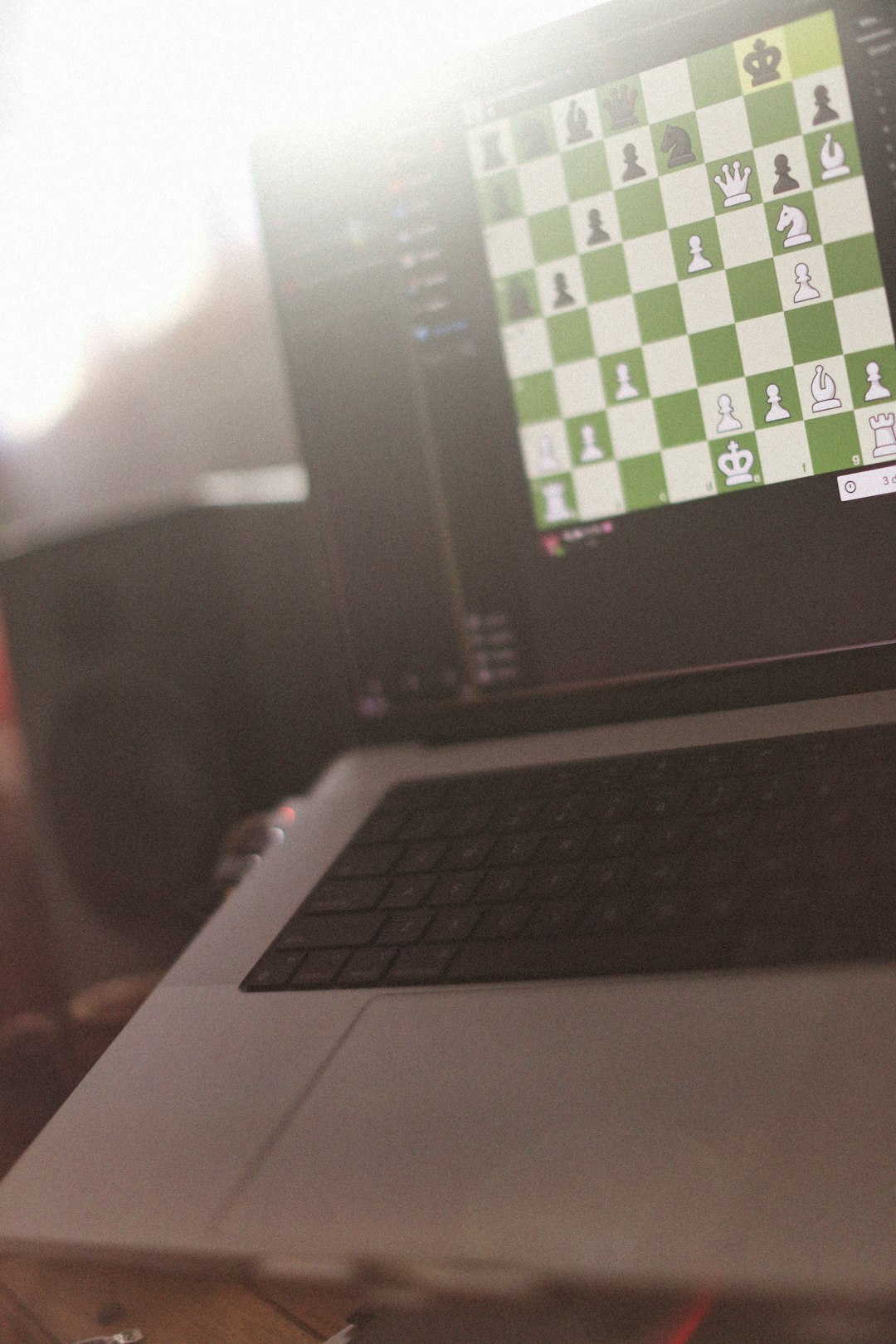
Chess.com emphasizes polish and visual clarity. Its design is colorful, intuitive, and highly accessible for beginners. Navigation menus are clear, and features like puzzles, lessons, and tournaments are prominently displayed.
Lichess leans minimalist. The design is fast, clean, and functional. There are fewer visual distractions, and many experienced players appreciate its efficiency. The interface may seem plain at first, but it’s highly customizable.
Verdict: If you prefer a sleek, guided experience, Chess.com wins. If you value speed and simplicity, Lichess is excellent.
Game Modes and Variants
Both platforms offer a wide variety of time controls and formats.
Standard Options on Both:
- Bullet, Blitz, Rapid, and Classical
- Correspondence (daily chess)
- Arena-style tournaments
However, Lichess truly shines when it comes to variants.
Lichess Variants:
- Chess960
- King of the Hill
- Three-check
- Atomic Chess
- Horde
- Racing Kings
Chess.com also offers variants, but some are limited or less emphasized compared to Lichess.
If you enjoy experimental formats beyond traditional chess, Lichess has the edge.
Puzzles and Training Tools
Improvement tools are where many players make their decision.
Chess.com Training Features
- Structured video lessons by titled players
- Daily puzzles
- Puzzle Rush and Puzzle Battle (gamified modes)
- AI-driven Game Review with feedback summaries
These features are highly engaging. Puzzle Rush, in particular, has become extremely popular for tactical training under time pressure.
Lichess Training Features
- Unlimited free puzzles
- Puzzle streak mode
- Opening explorer
- Detailed free computer analysis
- Study tool for creating lessons and analysis

Lichess offers unlimited puzzles without requiring a subscription. Its analysis board integrates with the Stockfish engine at full power, again at no cost.
Key Difference: Chess.com offers more structured educational pathways. Lichess offers more raw analytical freedom.
Computer Analysis
After every serious game, most players want engine feedback.
Chess.com provides Game Review with move classifications like “Brilliant,” “Blunder,” or “Missed Win.” Premium users get deeper analysis and insights.
Lichess provides unlimited Stockfish analysis for free, including:
- Blunder detection
- Accuracy percentage
- Move evaluations
- Opening database integration
While Chess.com’s review is more beginner-friendly and visually explanatory, Lichess gives you unrestricted access without payment.
Community and Player Base
Chess.com claims over 100 million users, making it the largest chess platform in the world. Its events often include celebrity tournaments, major titled events, and collaborations.
Lichess also has millions of active users and a highly competitive pool of strong players. Many titled players maintain accounts on both platforms.
Chess.com hosts high-profile events like:
- Speed Chess Championship
- Titled Tuesday-style events (now on both platforms)
- Celebrity and influencer matches
Lichess is known for strong titled arenas, particularly its popular “Titled Arena” tournaments.
In practice, you’ll find strong competition on both sites at every rating level.
Pricing Comparison
Here’s a clear breakdown of how the platforms compare financially:
| Feature | Lichess | Chess.com (Free) | Chess.com (Premium) |
|---|---|---|---|
| Unlimited Games | Yes | Yes | Yes |
| Unlimited Puzzles | Yes | No | Yes |
| Computer Analysis | Unlimited | Limited | Unlimited |
| Video Lessons | No | Limited | Full Access |
| Ads | No | Yes | No |
| Cost | Free | Free | Monthly Fee |
For budget-conscious players, Lichess is unbeatable. For those who want guided instruction, Chess.com’s premium membership may justify the cost.
Mobile Experience
Both platforms offer strong mobile apps for iOS and Android.
Chess.com’s mobile app is slightly more polished and feature-rich, particularly for puzzles and lessons. It feels like a complete training ecosystem in your pocket.
Lichess’s mobile app is lightweight, fast, and completely functional — ideal for quick games without unnecessary distractions.
If mobile training is a priority, Chess.com has a small advantage in usability and gamification.
Performance and Speed
Lichess is widely praised for its speed. Pages load quickly, games start instantly, and the interface runs smoothly even on slower connections.
Chess.com, while generally stable, can occasionally feel heavier due to its feature density and graphical elements.

For bullet and hyper-blitz specialists who care about milliseconds, Lichess often feels slightly faster.
Transparency and Fair Play
Both platforms invest heavily in cheat detection and fair play algorithms.
Lichess, being open-source, offers transparency and regularly publishes updates about moderation practices.
Chess.com employs dedicated fair-play teams and has closed thousands of cheating accounts, sometimes publicly reporting major bans.
Neither platform is immune to online cheating — but both are proactive in combating it.
Which Platform Is Better for You?
Choose Lichess if:
- You want everything free
- You dislike ads
- You prefer open-source transparency
- You enjoy creative chess variants
- You want unlimited engine analysis
Choose Chess.com if:
- You want structured lessons
- You enjoy gamified puzzle modes
- You appreciate a polished interface
- You follow major online tournaments
- You don’t mind paying for premium features
Final Thoughts
The truth is simple: both platforms are excellent. The rivalry between Lichess and Chess.com benefits players, as each continues improving to stay competitive.
Lichess represents the spirit of open, accessible chess for everyone. Chess.com delivers a guided, media-rich experience that feels modern and comprehensive.
Many serious players maintain accounts on both — using Lichess for analysis and fast play, and Chess.com for lessons and competitive events.
In the end, the “better” platform depends less on features and more on your personal style of learning and playing. Fortunately, in today’s golden age of online chess, you don’t have to choose just one.