
The textile industry moves fast. Fabrics flow in. Orders pile up. Deadlines get tight. And somewhere between yarn sourcing and final shipment, things can get messy. That is where smart Textile Production Planning SaaS tools step in. They help manufacturers stay organized, track materials, and keep inventory under control without drowning in spreadsheets.
TLDR: Textile Production Planning SaaS tools help textile businesses manage production, inventory, and raw materials in one system. They reduce waste, prevent stock shortages, and improve delivery times. In this article, we explore four powerful tools that make textile production smoother and smarter. We also include a simple comparison chart to help you choose the right one.
Let’s explore four excellent tools that combine production planning, inventory management, and material tracking into one easy-to-use platform.
Contents of Post
1. Texware ERP
Best for: Medium to large textile manufacturers
Texware ERP is designed especially for textile and apparel businesses. It understands fabric rolls, dye lots, yarn batches, and production stages.
This tool helps manage:
- Raw material inventory
- Work in progress (WIP)
- Production scheduling
- Order tracking
- Warehouse management
One great feature is lot traceability. If there is a defect in fabric, you can trace it back to the exact yarn batch. That saves time and money.
Texware also gives real-time dashboards. Managers can see stock levels instantly. No more guessing. No more calling the warehouse twice a day.
Why users like it:
- Built specifically for textile workflows
- Strong reporting tools
- Accurate demand forecasting
Things to consider: It may feel complex for very small businesses. Training is usually required.
2. Katana Cloud Manufacturing
Best for: Small to medium textile producers
Katana is not textile-only. But it works very well for textile brands and small factories.
Its strength? Visual production planning.
Katana shows a clear timeline of production. You can see what is being made. What is waiting. What is delayed. Everything in one clean dashboard.
Inventory tracking is live. When fabric is allocated to a production order, stock updates instantly. This prevents overselling or overbooking materials.
Key features include:
- Real-time inventory updates
- Material requirements planning (MRP)
- Shop floor control
- Integration with eCommerce platforms
Katana is also cloud-based. You can check production status from anywhere. Even from your phone.
Why users like it:
- Very easy to use
- Clean interface
- Fast implementation
Things to consider: It may lack deeper textile-specific features like dye lot control.
3. Odoo Manufacturing with Inventory
Best for: Growing textile businesses that need flexibility
Odoo is modular. That means you can add features when you need them.
For textile businesses, the Manufacturing + Inventory modules work beautifully together.
You can manage:
- Bill of materials (BOM) for garments or fabrics
- Raw material consumption
- Multi-warehouse inventory
- Automated reordering rules
- Production planning calendars
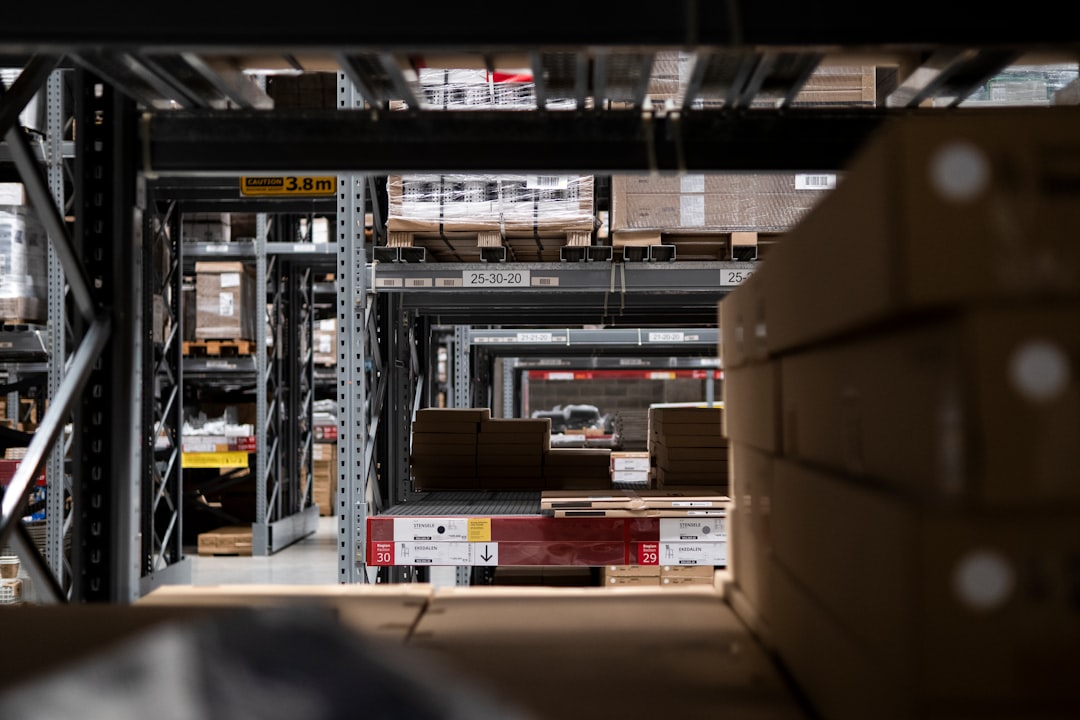
Odoo also allows barcode scanning. Workers can scan fabric rolls during receiving or dispatch. That reduces human error.
Another strong point is customization. Textile businesses often have unique workflows. Odoo can adapt to them.
Why users like it:
- Highly customizable
- Large ecosystem of apps
- Affordable entry pricing
Things to consider: Customization may require technical support or a developer.
4. Aptean Apparel ERP
Best for: Large textile and apparel enterprises
Aptean Apparel ERP is powerful. It focuses on fashion and textile supply chains.
It connects everything:
- Material sourcing
- Supplier management
- Production planning
- Inventory optimization
- Global distribution
One standout feature is advanced material tracking. You can monitor fabric usage across factories. Even across countries.
This makes it perfect for brands that outsource production. You always know where your materials are.
It also supports compliance tracking. This is helpful for sustainability certifications and quality standards.

Why users like it:
- Strong supply chain visibility
- Enterprise-level reporting
- Scalable for global operations
Things to consider: Higher cost. Best suited for larger operations.
Quick Comparison Chart
| Tool | Best For | Inventory Tracking | Material Traceability | Ease of Use |
|---|---|---|---|---|
| Texware ERP | Medium to large textile factories | Advanced, real-time | Excellent lot tracking | Moderate |
| Katana | Small to mid-sized businesses | Live updates | Basic batch tracking | Very easy |
| Odoo | Growing flexible operations | Strong multi-warehouse | Customizable | Easy to moderate |
| Aptean Apparel ERP | Large global enterprises | Enterprise-grade | Advanced global tracking | Moderate to complex |
Why Inventory and Material Tracking Matter So Much
In textile production, materials are everything.
If yarn arrives late, weaving stops. If dye lots get mixed, quality suffers. If stock counts are wrong, customers get angry.
Good SaaS tools solve these problems by:
- Reducing waste: Know exactly how much fabric is used.
- Preventing stockouts: Automatic reorder alerts.
- Improving planning: Accurate production schedules.
- Increasing transparency: Real-time dashboards.
This leads to smoother operations. And better profits.
How to Choose the Right Tool
Not every business needs enterprise software. And not every startup should rely on spreadsheets.
Ask yourself:
- How complex is my production process?
- Do I need dye lot tracking?
- How many warehouses do I operate?
- Do I plan to scale internationally?
- What is my budget?
If you are small and growing fast, Katana or Odoo may be perfect.
If you handle complex textile operations, Texware might fit better.
If you run global supply chains, Aptean becomes very attractive.
Final Thoughts
Textile production is detailed work. Threads, colors, textures, deadlines. One small mistake can cause big delays.
The right Textile Production Planning SaaS tool keeps everything together. It connects inventory, materials, and production schedules in one system.
It removes chaos. It builds clarity.
And in an industry where timing and quality matter, that clarity makes all the difference.
Choose smart. Track everything. And let software handle the complexity while you focus on creating great textiles.