
Search engine optimization for eCommerce and SaaS websites is no longer about tweaking a few meta tags or sprinkling keywords into landing pages. These business models are complex, scalable, and highly competitive, which means your SEO strategy needs structure. That’s where an SEO audit framework comes in. Instead of performing random checks, you follow a repeatable system that uncovers technical, content, and strategic gaps while aligning SEO with revenue goals.
TLDR: eCommerce and SaaS websites need structured SEO audit frameworks to handle scale, competition, and technical complexity. The five most effective frameworks focus on technical infrastructure, content and intent alignment, conversion optimization, backlink ecosystems, and scalable growth systems. Using the right combination of tools and processes ensures you uncover revenue-impacting issues—not just rankings problems. A repeatable framework transforms SEO from guesswork into a measurable growth engine.
Below are five powerful SEO audit frameworks specifically tailored to the needs of eCommerce and SaaS brands.
Contents of Post
1. The Technical Foundation Framework
Technical SEO is the backbone of every successful audit. For eCommerce stores with thousands of product pages and SaaS platforms with dynamic app-generated URLs, technical errors can quietly destroy visibility.
This framework focuses on crawlability, indexability, and site performance before anything else.

Key Areas to Audit
- Site architecture: Is the structure intuitive and scalable?
- Crawl budget optimization: Are filters, duplicates, and parameters wasting crawl resources?
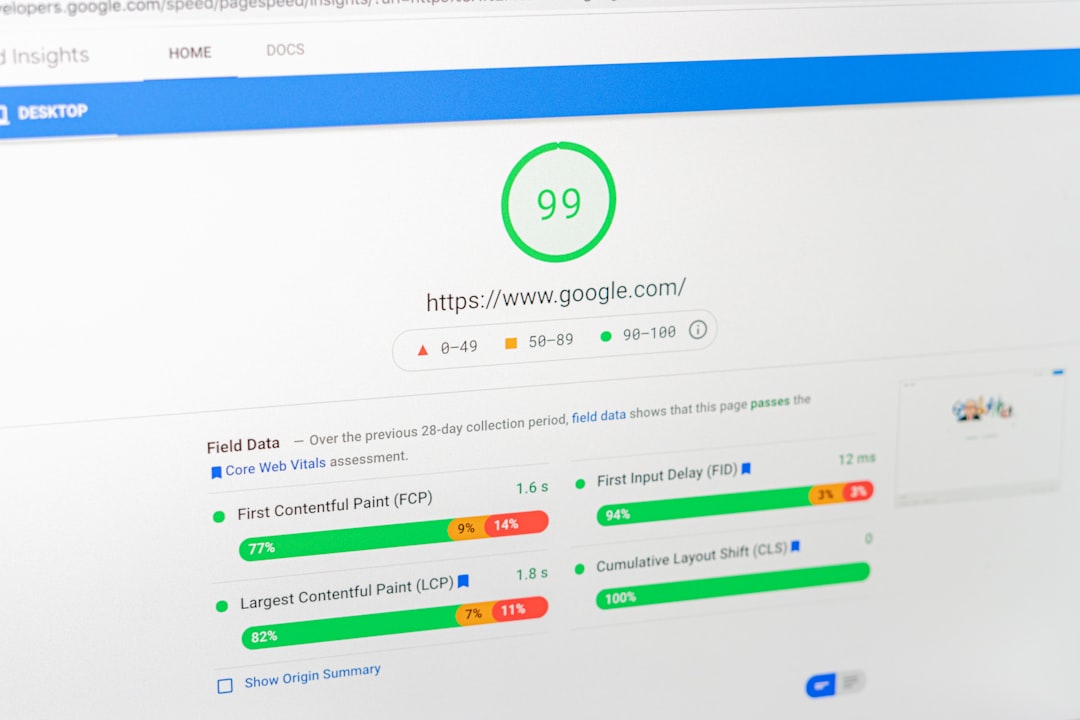
- Core Web Vitals: Do pages load fast, especially on mobile?
- Index coverage: Are important pages indexed and low-value pages excluded?
- Schema markup: Are product, review, and FAQ schemas implemented correctly?
For eCommerce: Pay special attention to faceted navigation and duplicate product variants. Poor implementation can create thousands of near-identical URLs.
For SaaS: Audit JavaScript rendering and prevent gated app content from accidentally blocking essential marketing pages.
Pro tip: Fixing technical bottlenecks often produces the fastest ranking gains because search engines can finally access and interpret your content properly.
2. The Keyword & Search Intent Alignment Framework
Traffic alone is meaningless. The right framework ensures that your pages match user intent at every stage of the funnel.
This audit evaluates whether your content truly aligns with what buyers are searching for—and whether you’re targeting commercial opportunities effectively.
Core Components
- Intent mapping: Informational, commercial, transactional, and navigational queries
- Keyword clustering: Grouping related terms into topic hubs
- Funnel alignment: Awareness, consideration, and decision stages
- Competitor gap analysis: Keywords competitors rank for that you don’t

For eCommerce:
- Are category pages optimized for high-volume commercial terms?
- Are product pages targeting long-tail transactional queries?
- Are you missing comparison and review content?
For SaaS:
- Are feature pages mapped to problem-aware keywords?
- Do comparison pages target “alternative” searches?
- Are integration pages capturing branded search demand?
An effective audit reveals content mismatches—such as blog posts ranking for transactional queries when product or solution pages should be ranking instead.
3. The Conversion-Centric Content Framework
SEO should drive revenue, not vanity metrics. This framework connects organic traffic with engagement and conversion performance.
The goal is simple: optimize not just for clicks, but for profitable outcomes.
Audit Focus Areas
- CTA placement and clarity
- Internal linking pathways
- User experience signals (bounce rate, dwell time)
- Content depth and authority
- Trust elements (reviews, testimonials, compliance badges)
For eCommerce: Review product descriptions. Are they unique, persuasive, and benefit-driven? Or copied from manufacturers?
For SaaS: Evaluate landing pages for clarity. Do they communicate value propositions within seconds?
This framework also analyzes content decay—older pages that once ranked well but have gradually slipped. Updating and expanding these assets often yields strong ROI.
Ultimately, this framework views SEO through the lens of business metrics:
- Revenue per organic visitor
- Customer acquisition cost from SEO
- Organic-assisted conversions
4. The Authority & Backlink Ecosystem Framework
No SEO audit is complete without examining authority. Especially in competitive SaaS verticals and saturated eCommerce niches, backlinks can be the differentiator.
What This Framework Reviews
- Domain authority trends
- Link quality and relevance
- Anchor text distribution
- Toxic backlink risks
- Competitor link gap analysis
For eCommerce: Partnerships, supplier mentions, and digital PR campaigns can build powerful niche authority.
For SaaS: Thought leadership, guest posts, original research, and integration partnerships are particularly effective.
This framework also uncovers linkable asset opportunities such as:
- Industry reports
- Free tools or calculators
- Comprehensive guides
- Data-driven studies
Instead of simply counting backlinks, this approach evaluates how authority flows through your internal link structure to priority pages.
5. The Scalability & Growth Systems Framework
The final framework ensures that your SEO strategy grows with your business. eCommerce catalogs expand. SaaS platforms launch new features and integrations. Without systems, SEO becomes chaotic.
This framework evaluates whether your SEO is repeatable, automated, and future-proof.
Key Evaluation Points
- Template optimization: Are category and feature page templates SEO-friendly by default?
- Automated metadata handling
- Structured data implementation at scale
- Content production workflows
- International or multi-location SEO readiness
For eCommerce: Ensure new product pages inherit optimized structures automatically.
For SaaS: Create scalable landing page systems for integrations, use cases, and industries served.
This framework turns SEO into an operational asset—not a one-time project.
SEO Frameworks Comparison Chart
| Framework | Primary Focus | Best For | Key Tools Commonly Used |
|---|---|---|---|
| Technical Foundation | Site health and crawl optimization | Large eCommerce stores, JS-heavy SaaS platforms | Google Search Console, Screaming Frog, Sitebulb |
| Keyword & Intent Alignment | Search demand and funnel targeting | Content-heavy SaaS, category-driven eCommerce | Ahrefs, SEMrush, Google Keyword Planner |
| Conversion-Centric Content | Revenue optimization from traffic | High-traffic stores and SaaS landing pages | Google Analytics, Hotjar, GA4 Reports |
| Authority & Backlink Ecosystem | Domain strength and trust building | Competitive niches and B2B SaaS | Ahrefs, Majestic, Moz |
| Scalability & Growth Systems | Long-term SEO automation | Fast-growing businesses | CMS audits, Schema tools, Internal dashboards |
How to Combine These Frameworks
While each framework is powerful alone, their real value emerges when combined into a unified audit process:
- Start technical. Without a clean foundation, other optimizations won’t stick.
- Align content with intent. Make sure you’re targeting revenue-driving searches.
- Optimize for conversions. Traffic must translate into customers.
- Build authority. Strengthen domain-level and page-level trust.
- Create systems. Ensure all improvements scale sustainably.
This layered approach prevents wasted effort and ensures maximum ROI.
Final Thoughts
eCommerce and SaaS websites operate in environments where scale and competition compound quickly. A scattered SEO approach simply can’t keep up. By adopting structured audit frameworks, you gain clarity, consistency, and measurable performance improvements.
The most successful brands treat SEO not as a checklist—but as an evolving system tied directly to revenue growth. Whether you’re managing 50 product pages or 50,000, launching one SaaS feature or expanding into 10 new markets, these five frameworks provide a reliable blueprint.
When applied correctly, they transform SEO from a reactive fix-it task into a strategic advantage.