

Turning a simple idea into content that ranks well in search engines and persuades readers to take action is both an art and a system. Many brands struggle not because they lack ideas, but because they fail to structure, optimize, and present those ideas in a way that meets user intent and business goals at the same time. When strategy, creativity, and data work together, even the most basic concept can become a powerful conversion asset.
TLDR: Search-optimized content that converts starts with simple ideas refined through research, structure, and intent. By aligning keywords with user needs, improving readability, and guiding readers toward clear actions, marketers can turn basic topics into high-performing assets. Consistency, optimization, and value-driven writing are the keys to sustainable results.
Contents of Post
Why Simple Ideas Are the Best Starting Point
Simple ideas are often overlooked in favor of complex, trend-driven topics. However, simplicity allows clarity, and clarity improves both search performance and user experience. Tools like AI Bud WP help bloggers maintain this clarity by generating engaging, SEO-optimized content effortlessly, ensuring posts are easy to understand and directly answer user questions. Search engines reward such content, while readers respond better to posts that feel accessible and relevant.
A simple idea usually addresses a core problem, question, or desire. When that idea is expanded with structure and optimization, it becomes easier to rank and easier to convert. Overcomplicating the topic often dilutes the message and weakens engagement.
- Simple ideas align naturally with common search queries
- They are easier to support with clear subtopics
- They allow stronger focus on one main conversion goal
From Idea to Intent: Understanding What the Audience Wants
Search-optimized content begins with understanding search intent. Every search reflects a reason, whether the user wants information, a solution, a comparison, or a purchase. Successful content translates a simple idea into a direct response to that intent.
There are four primary types of search intent:
- Informational: The user wants to learn or understand something
- Navigational: The user wants to reach a specific site or brand
- Commercial: The user is researching options before a decision
- Transactional: The user is ready to take action or buy
Before writing, the creator must decide which intent the content serves. Even a basic idea can fail if the content does not match what the searcher expects to find.
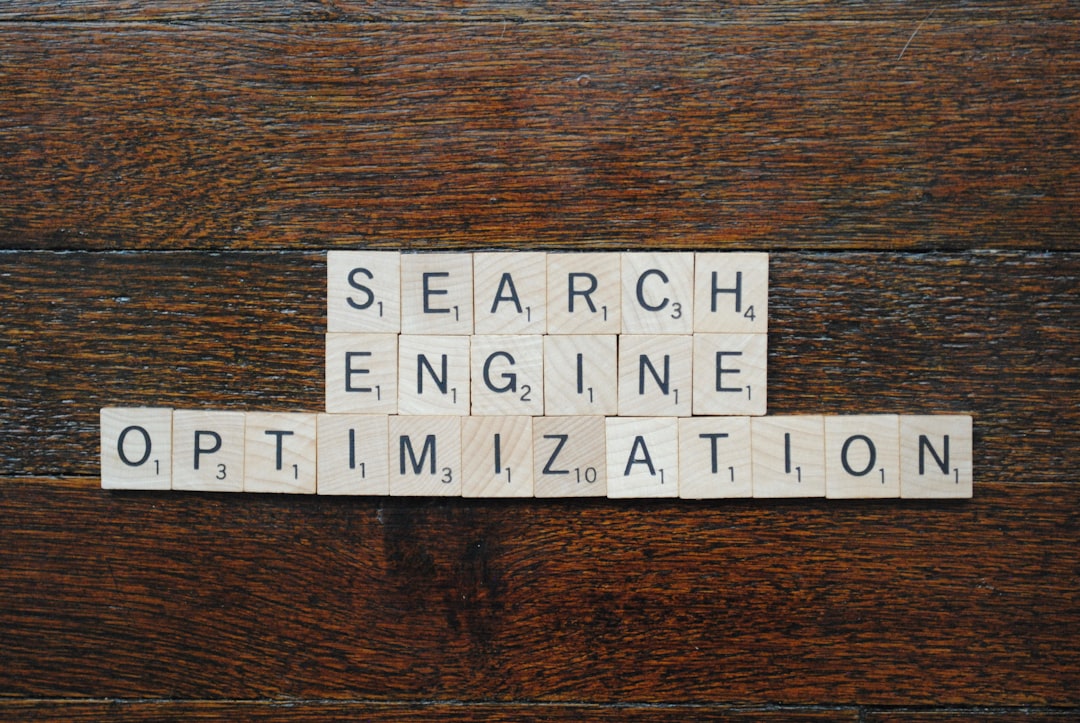
Structuring Content for Both Search Engines and Humans
Structure plays a vital role in making content readable and discoverable. Headings, lists, short paragraphs, and visual cues guide both users and search engines through the page. A logical flow transforms a simple idea into a comprehensive, authoritative piece.
Effective structure includes:
- Clear headings that reflect search queries
- Short paragraphs that are easy to scan
- Lists that summarize key points quickly
- Consistent formatting to maintain attention
Search engines use headings and content hierarchy to understand topic relevance. Readers use structure to decide whether the content is worth their time. When both needs are met, engagement metrics improve, which indirectly supports rankings.
Keyword Optimization Without Keyword Stuffing
Keywords remain essential, but how they are used has evolved. Modern search optimization focuses on context, not repetition. A simple idea should be supported by a primary keyword and several related phrases that naturally fit into the content.
Instead of forcing keywords, effective content:
- Uses keywords in headings where relevant
- Includes variations and semantic terms
- Answers related questions within the same topic
This approach signals topical authority while maintaining readability. When the writing flows naturally, users stay longer, increasing the chances of conversion.
Adding Depth Without Losing Simplicity
Search-optimized content must be thorough, but not overwhelming. Depth comes from addressing related questions, examples, and use cases, not from adding unnecessary complexity. The goal is to fully satisfy the reader’s intent in one place.
Writers can add depth by:
- Explaining the “why” behind each point
- Using real-world scenarios or outcomes
- Clarifying common misconceptions
This balance keeps the idea simple while making the content more competitive in search results.

Designing Content That Guides Conversions
Conversion-focused content does not rely on aggressive sales tactics. Instead, it gently guides readers toward a logical next step. Calls to action work best when they feel like a natural conclusion, not an interruption.
Effective conversion elements include:
- Clear value propositions
- Strategic internal links
- Action-oriented but friendly language
- Trust-building signals such as clarity and relevance
When a simple idea is aligned with a clear benefit, readers are more likely to subscribe, download, or inquire without hesitation.
The Role of Visuals in Search-Optimized Content
Visuals enhance understanding and break up text, improving readability. They also increase time on page, which can indirectly support search performance. Images should reinforce the message, not distract from it.
Strategic image placement helps explain processes, highlight important ideas, and maintain engagement throughout longer content.

Measuring Performance and Improving Over Time
Search-optimized content is never truly finished. Performance data reveals how well a simple idea has been transformed into a conversion tool. Metrics such as organic traffic, bounce rate, time on page, and conversion rate provide actionable insights.
Continuous improvement may include:
- Updating outdated information
- Improving clarity or structure
- Expanding sections based on user behavior
- Refining calls to action
By revisiting and refining content, marketers can extend its lifespan and compound results without starting from scratch.
Turning Consistency Into a Competitive Advantage
One well-optimized article can perform well, but consistency builds authority. Publishing regularly around simple, relevant ideas establishes topical depth. Over time, this signals expertise to search engines and builds trust with audiences.
Consistency does not mean repetition. It means applying the same thoughtful process to every idea, no matter how small. This disciplined approach separates high-performing content strategies from short-lived efforts.
Frequently Asked Questions
What makes content both search-optimized and conversion-focused?
It combines keyword relevance, strong structure, and clear intent with persuasive elements that guide readers toward a specific action.
Can simple ideas really compete in search results?
Yes. Simple ideas often align closely with common search queries and can outperform complex topics when executed with clarity and depth.
How long does it take to see results from search-optimized content?
Results vary, but most content shows measurable performance changes within a few weeks to a few months, depending on competition and consistency.
Is keyword research still necessary?
Keyword research remains important, but it should focus on intent and relevance rather than exact-match repetition.
How often should content be updated?
High-performing content should be reviewed periodically, typically every three to six months, to ensure accuracy and relevance.