

In our high-speed, constantly connected world, cultivating meaningful daily rituals has become essential for achieving sustainable success. These rituals ground us, center our minds, and give us the clarity and energy needed to pursue long-term goals despite inevitable setbacks. Whether you’re an entrepreneur, a student, or anyone pursuing excellence, the small things you consistently do each day have far more impact than occasional dramatic efforts.
Contents of Post
TLDR
Building meaningful daily rituals is a deliberate process that involves self-awareness, consistency, and intentionality. Effective daily rituals help minimize decision fatigue, increase focus, and keep long-term goals on track. Take time to identify which habits align with your deeper values and start small to build momentum. Consistency, rather than intensity, is the key to sustainable success.
Why Daily Rituals Matter for Long-Term Success
“We are what we repeatedly do. Excellence, then, is not an act, but a habit.” — Aristotle
This quote encapsulates the power of daily rituals. Your life today is a reflection of your habits. Success rarely stems from one-time heroic events; rather, it is rooted in small, consistent actions taken every day—reading, planning, reflecting, or simply waking up early to focus.
Here’s why rituals are so powerful:
- They reduce cognitive load: By automating key actions, you can conserve energy for higher-level thinking.
- They reinforce identity: Rituals serve as constant reminders of who you are and who you want to become.
- They provide stability: In times of chaos, rituals ground you and maintain a sense of control.
Step 1: Get Clear on Your Values and Goals
Before you start crafting rituals, you need clarity about why you’re doing it. What matters most to you? What are your long-term ambitions? Which qualities define the kind of person you’re aiming to become?
Write these down. Create a list of core values:
- Integrity
- Growth
- Health
- Focus
- Resilience
Then pair each value with one or two supporting goals. For example, if “Growth” is a core value, a corresponding goal might be read 30 minutes daily.
Step 2: Identify Key Areas of Influence
We all operate within several life domains: physical, mental, emotional, and professional. Review each and ask yourself: What one small thing can I consistently do in this domain every day to reinforce long-term progress?
- Physical: Morning stretching, 10-minute walks, hydration rituals.
- Mental: Journaling, learning a new skill, meditation.
- Emotional: Gratitude journaling, affirmation, deep breathing.
- Professional: Daily planning, task prioritization, focused work blocks.
Don’t try to overhaul everything at once. Small beginnings are sustainable beginnings.
Step 3: Design Your Daily Rituals with Intention
This is the stage where habit meets purpose. Your rituals should be simple, measurable, and aligned with your goals. Here are keys to effective design:
- Start with time blocks: Dedicate a specific time of day for your rituals—morning, midday, or evening work best.
- Bundle habits together: Known as habit stacking (e.g., brush teeth → meditate → stretch).
- Give them meaning: State the purpose of each ritual. “I journal to clear my mind and problem-solve emotionally.”

Example Morning Ritual:
- Wake at 6:30 a.m.
- Glass of water
- 5-minute stretch
- 10-minute guided meditation
- Write down three priorities for the day
Repeat daily until it becomes automatic. Keep it simple and frictionless to begin with. Over time, build complexity by layering new actions.
Step 4: Track Progress and Adapt With Purpose
Consistency beats intensity. Too often, people burn out because they try to go all in at once. The better approach is to monitor progress and allow for flexibility.
Use a habit tracker, journal, or app to visualize your streaks. These small wins generate momentum and reward the brain’s dopamine system for positive behavior.
Every month, sit down to assess:
- Which rituals feel energizing?
- Which ones feel like a drag?
- Are these habits moving me closer to my goals?
Make adjustments. Life evolves, and your rituals should follow suit. Don’t abandon the system—refine it.
Step 5: Create a Ritual-Friendly Environment
Willpower is unreliable. Environmental design makes or breaks habits. Create visual cues and remove friction from your spaces.
- Want to read every day? Keep your book on your pillow or beside the coffee machine.
- Want to stretch each morning? Leave a mat by the bed the night before.
- Want to write more? Open your document before you sleep so it’s ready in the morning.
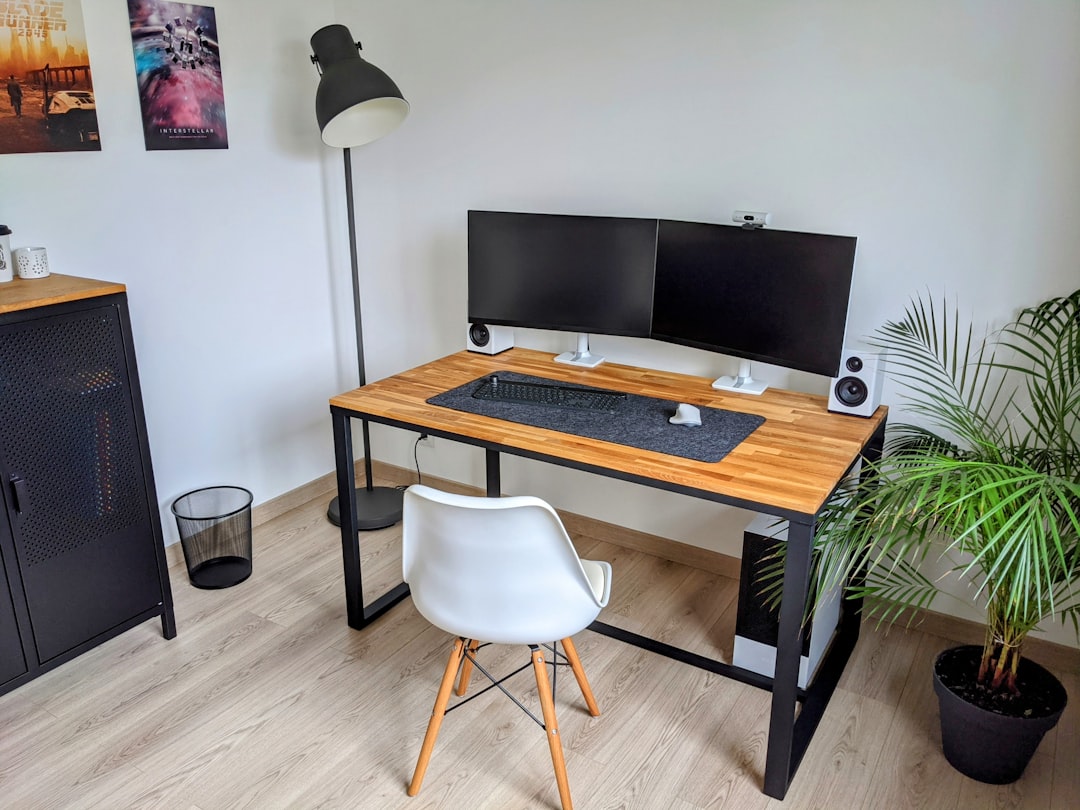
Simplify access. Reduce reliance on memory or motivation. Normalize rituals through spatial association.
Step 6: Mindset is Half the Battle
Every ritual you follow serves as psychological reinforcement of your identity. It’s one thing to say “I want to be productive.” It’s another to act like a productive person every single morning.
A growth-oriented mindset views rituals as opportunities, not chores. Frame them as gifts you give your future self. Remember, success isn’t about force—it’s about flow.
Here are a few empowering affirmations:
- “I am building a life of meaning, one day at a time.”
- “My habits reflect the values I choose daily.”
- “Each small action today builds a stronger tomorrow.”
Conclusion: The Compound Effect of Rituals
There’s rarely an overnight success. Behind every high-performing individual is a foundation of purposeful rituals followed with discipline and grace. They do the work, even—and especially—when the inner resistance whispers otherwise.
Long-term success is simply the result of daily habits amplified over time. This isn’t about perfection. It’s about rhythm. Fall down seven times, and your rituals help you stand up eight.
Start small. Stay steady. Think long-term. Build a life from the inside out.