

In the hyper-competitive construction industry, the ability to showcase your work to potential clients is crucial—especially for startups. Having a well-designed and informative website is no longer optional; it’s one of the most important assets you can invest in when launching a construction business. One of the most efficient and cost-effective ways to get your business online is through a website builder. But with so many options available, selecting the most suitable platform can be overwhelming.
Contents of Post
TL;DR (Too Long; Didn’t Read)
If you’re a construction startup, a strong online presence is key to gaining credibility and acquiring clients. Website builders such as Wix, Squarespace, and WordPress.com allow you to create professional portfolios without any coding experience. Focus on themes that highlight project galleries, testimonials, and before-and-after comparisons. Ensure mobile responsiveness and loading speed to maintain user interest and improve SEO.
Why Construction Startups Need a Website
For new construction companies, a compelling website can serve as a dynamic portfolio, lead generation tool, and credibility booster. Today’s clients want to view past work, read testimonials, and understand your capabilities before making any contact. A professionally built website can answer these questions while reflecting the company’s branding, values, and attention to detail.
- Trust-Building: A polished website instills trust and confidence in potential clients.
- 24/7 Accessibility: Unlike physical portfolios or word-of-mouth, a website is always accessible.
- Marketing Hub: A well-structured site can integrate with social media, Google ads, and local SEO strategies.
Key Features to Look for in Website Builders for Construction Startups
When choosing a website builder, construction startups should prioritize ease of use, visual portfolio capabilities, and scalability. Below are the most critical features:
- Drag-and-Drop Interface: For startups without technical expertise, user-friendly design tools are essential.
- Mobile Responsiveness: More than half of web traffic comes from mobile devices, making this feature non-negotiable.
- Portfolio Galleries: The ability to create organized galleries of completed projects is a top priority.
- Forms & CTAs: Integration of contact forms and call-to-action buttons helps convert visitors into clients.
- SEO Optimization: Tools that allow meta tag editing, sitemap generation, and on-page optimization help with Google rankings.
Top Website Builders for Construction Project Portfolios
1. Wix
Best for: Quick Deployment with Visual Customization
Wix is a powerful yet intuitive website builder ideal for construction startups looking to get online fast. It offers hundreds of templates, many tailored specifically to home services and construction professionals. The drag-and-drop functionality means you won’t need any web development background.
- Has a range of industry-specific templates
- Allows photo galleries and sliders for showcasing work
- Good SEO and social media integration tools
- Free plan available, but custom domains and branding removal require upgrades

2. Squarespace
Best for: Sleek Design and High-End Aesthetic
Squarespace is renowned for its clean, modern templates that beautifully highlight imagery. This makes it ideal for startups focused on high-end renovations, architectural construction, or design-build services. The backend interface is sleek and intuitive, providing essential tools like blogging, email marketing, and eCommerce integration.
- Responsive design templates
- Strong image editing tools
- Well-integrated contact forms and appointment booking
- Pricing starts at a reasonable monthly rate
3. WordPress.com
Best for: Scalability and Custom Functionality
Not to be confused with WordPress.org, WordPress.com is a hosted, simplified version of the popular CMS. It’s ideal for startups expecting to scale their online presence rapidly. With thousands of plugins and themes available, it supports everything from portfolios to blogs to booking systems.
- More flexible than Wix or Squarespace
- Numerous themes that support project portfolios and service listings
- Requires a steeper learning curve but offers long-term adaptability
- SEO tools and integrations with Google Analytics and CRM platforms
4. Weebly (by Square)
Best for: Budget-Conscious Startups and Simplicity
Weebly offers a very straightforward design dashboard and decent templates suitable for construction portfolios. While limited in customization compared to Wix or WordPress, it offers excellent value for small or very new startups with limited resources.
- User-friendly drag-and-drop builder
- Basic but functional image galleries
- Business-focused marketing tools included
- Integrated eCommerce features if needed
Showcasing Portfolios Effectively
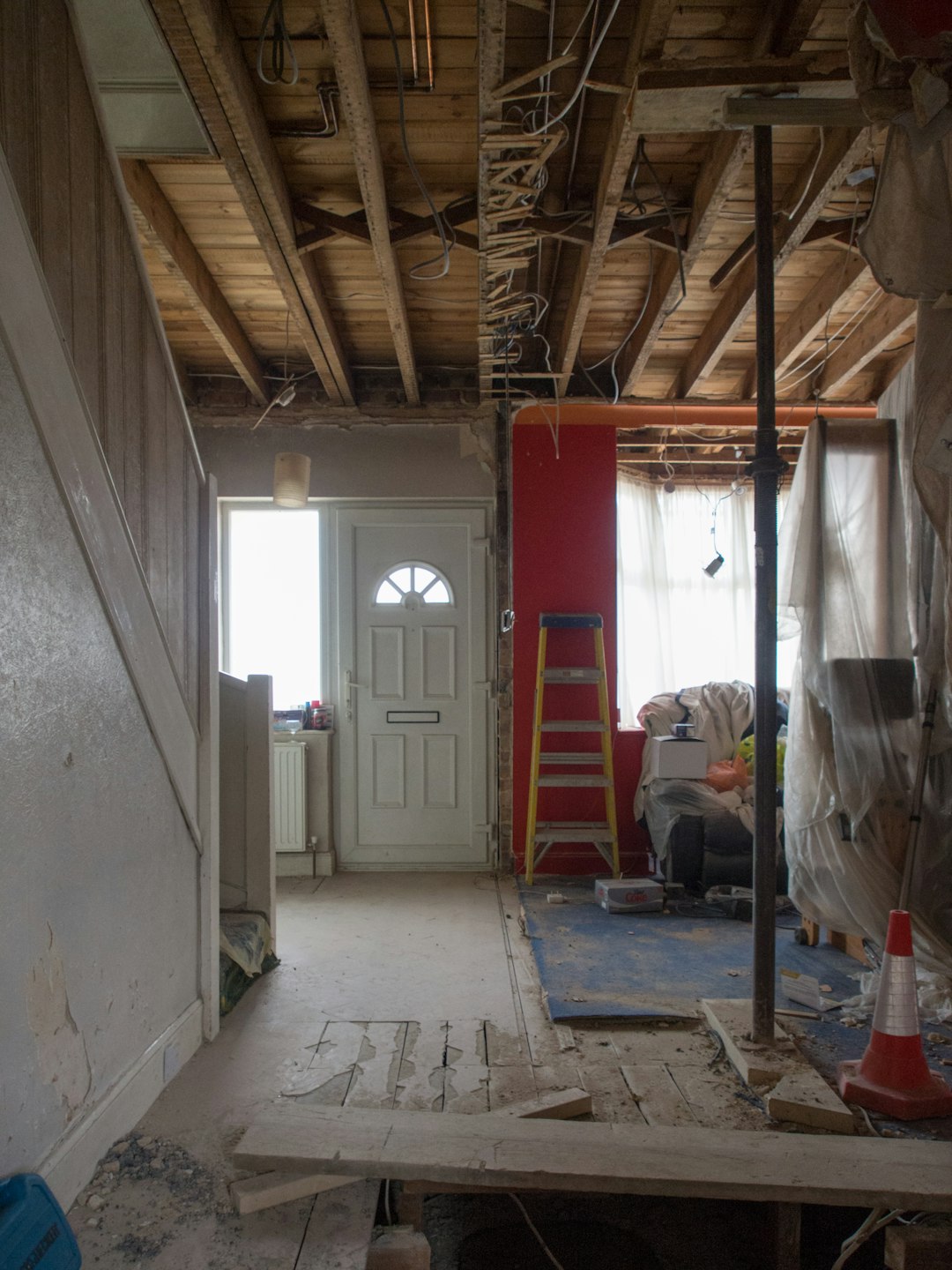
A key aspect of a good construction website is how it displays your completed and ongoing projects. High-quality visuals backed by concise descriptions create a strong impact. Make sure to categorize projects and provide critical details such as timelines, materials used, client feedback, and final results.
For an enhanced visitor experience, consider the following best practices:
- Use Before and After Images: These speak volumes about your quality of work.
- Highlight Client Testimonials: Add quotes from satisfied clients next to portfolio entries.
- Embed Maps and Project Locations: Especially useful for impressing local-based clients.
Beyond Aesthetics: SEO and Mobile Optimization
To ensure your beautifully crafted website attracts visitors, make sure it ranks well on search engines. Builders like Wix and WordPress offer integrated on-page SEO tools that allow optimizing header tags, meta titles, and load speeds. Since Google has adopted mobile-first indexing, your site must function flawlessly on smartphones and tablets.
Additional ways to improve site performance and SEO include:
- Compressing Images: Helps in faster loading without sacrificing quality
- Enabling SSL Certificates: Most builders offer this by default, boosting trust and SEO
- Local SEO Efforts: Add your NAP (Name, Address, Phone number) consistently and create a Google My Business profile
Maintenance and Updates
Once your site is live, it’s not a “set it and forget it” scenario. Regular updates keep your platform secure, up-to-date, and engaging. Most website builders offer easy dashboards for maintenance, adding new projects, and updating contact info or company news.
- Add new projects monthly or quarterly
- Encourage satisfied clients to leave reviews and testimonials
- Test all contact forms and booking links regularly
When to Consider Hiring a Developer
While website builders can handle 80-90% of your needs, you may eventually outgrow them. If you find your site’s pace slowing down, or you’re unable to integrate complex features like CRM tools, you might consider hiring a web developer. Additionally, a hybrid approach is also possible—launch with a website builder, then transition to a custom-designed platform as your business expands.

Conclusion
For construction startups, a website is more than a digital placeholder—it’s your first impression. Website builders offer a practical route for launching professional, attractive, and functional websites without a steep learning curve or hefty budget. By choosing a platform that prioritizes design, scalability, and user experience, your construction firm can showcase its work effectively and grow its client base markedly. In an industry built on trust and presentation, a great website is your strongest digital foundation.