
Microsoft’s Surface Laptop 3, a sleek and professional device that debuted in 2019, promised power and elegance in a lightweight design. Yet, soon after release, numerous users reported spontaneous screen cracking—without drops or visible misuse—raising concerns about product quality and prompting questions over accountability. As frustration grew, so did the demand for answers from Microsoft, leading to scrutiny, user reports, and eventually, an official response from the company.
TL;DR: Many Surface Laptop 3 owners reported cracked screens without any external damage or mishandling. After several user complaints, Microsoft acknowledged the issue, attributing it to a manufacturing defect. The company offered free repairs to affected customers under specific conditions. Although Microsoft stopped short of a full recall, this issue has cast a shadow over the product’s otherwise high rating for design and performance.
Contents of Post
Understanding the Problem
The problem first came to light shortly after the Surface Laptop 3 hit shelves. Users began sharing experiences of screens developing hairline cracks, often diagonally, and without any accidental impact. In many documented cases:
- Devices were not dropped
- No physical trauma was evident on the laptop body
- Cracks appeared after regular or minimal handling
Some users claimed the cracks developed overnight, suggesting internal pressure or material stress as potential causes. Initial discussions on forums like Reddit and Microsoft’s own support channels revealed a pattern too common to ignore.
Microsoft’s Initial Silence
In the early stages, Microsoft did not issue any public acknowledgment of the flaw. Many customers who sought help were told the cracks were their fault, and repair estimates ranged between $500 and $800—often just a few months after purchase. This sparked disappointment, with some calling it
“A betrayal of trust for such a premium-priced product.”
That silence caused growing discontent among users who had opted for Microsoft’s premium laptops over competing models from Apple, HP, and Dell. Independent repair shops also noted they had seen an unusually high number of Surface Laptop 3 devices with display cracks, which only strengthened the allegations of a systemic design problem.
Rising User Complaints and Media Backlash
As media outlets began covering the issue—aided by screenshots, photos, and videos submitted by disappointed users—Microsoft found itself under increasing pressure. Tech websites like The Verge, ZDNet, and Windows Central picked up the story, highlighting the scale and consistency of the problem.
Affected users outlined similar usage patterns:
- Mostly desk use with infrequent closing and opening
- No signs of impact or dropping
- Usually occurring within 3 to 6 months of purchase
This mounting evidence applied additional pressure on Microsoft to respond publicly and take responsibility. Consumer protection agencies also began monitoring the situation, though no forced recall was initially enacted.

Microsoft’s Official Response
In May 2020, Microsoft finally broke its silence. In an official statement posted to its support pages, Microsoft stated that a “limited number of customers” had experienced screen cracks “due to a hard foreign particle between the device’s screen and the laptop’s body.”
Crucially, they also announced a free repair program for affected devices:
- Only Surface Laptop 3s within warranty were eligible
- Laptops with damage consistent with the described defect would be repaired or replaced
- Devices with other forms of physical damage were excluded
This was not a recall in the traditional sense, but rather a selective repair initiative, dependent on Microsoft’s assessment of the damage. For frustrated users, it was a small but welcome acknowledgment of the issue after months of complaints.
Anatomy of a Design Flaw
While Microsoft cited foreign particles as the cause, independent reviewers and teardown specialists offered alternative theories. Some believed the screen material was too rigidly constrained inside the aluminum shell, leaving it vulnerable to stress fractures. Others speculated that temperature fluctuations or subtle design inconsistencies might be responsible.
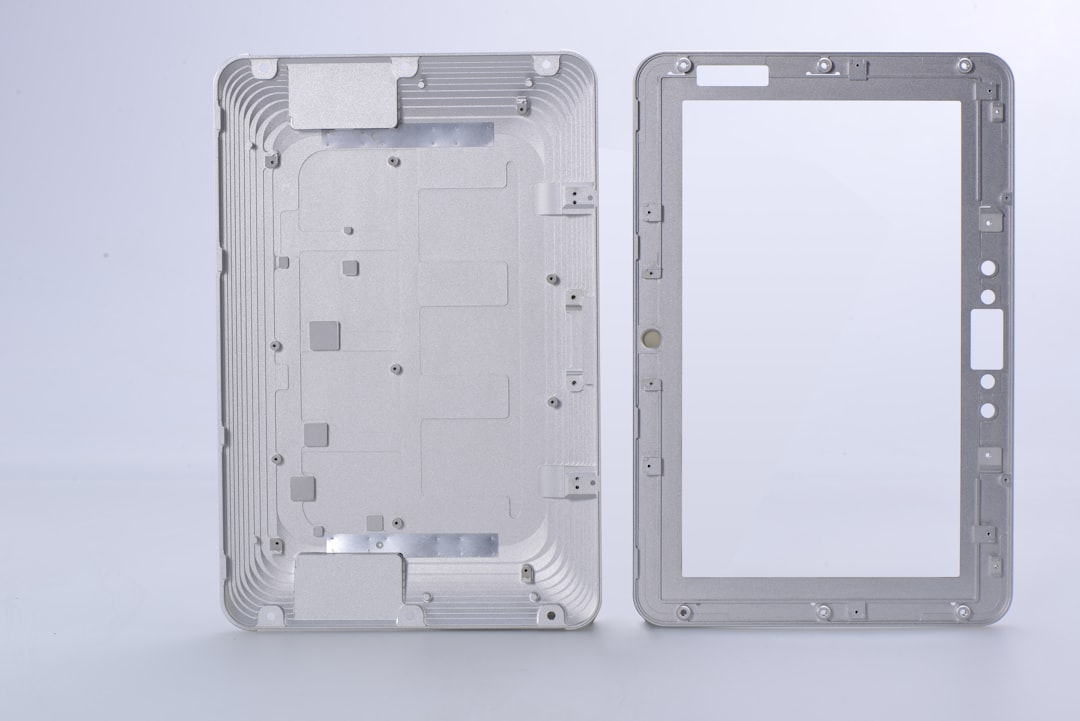
Notably, Surface Laptop 3 was the first in the Surface Laptop line to use removable top plates (making SSD replacement possible) and an all-aluminum shell for both 13.5- and 15-inch models. Changes in the structural layout could have introduced unforeseen weaknesses or stress points, especially if tolerances were too tight.
Legal and Consumer Implications
Although Microsoft’s announcement of the free repair initiative temporarily quieted some of the outrage, not all customers were satisfied. In the United States, several class action discussions began circulating—though none progressed significantly through the courts.
Consumer advocacy groups argued Microsoft should have:
- Provided replacements unconditionally regardless of warranty
- Extended warranties or offered refunds
- Conducted a full recall to rebuild consumer trust
The relative scarcity of resolutions compared to the scale of reports left some customers feeling unsupported. Competitive pressure from Apple and other PC manufacturers meant that Microsoft risked tarnishing its reputation in a segment it had worked hard to dominate.
Impact on Microsoft’s Brand
The Surface line has traditionally been praised for its fusion of premium design with productivity features—and for many loyalists, the Surface Laptop 3’s issue did not permanently stain that perception. However, in the arms race for trust and consumer loyalty, consistency matters.
To Microsoft’s credit, newer Surface Laptop models have not demonstrated the same defect at scale, suggesting that lessons were learned from the Surface Laptop 3 situation. Nevertheless, the episode serves as a reminder that even the most well-regarded manufacturers are not immune to design missteps and the consequences they carry.
What You Can Do If Your Surface Laptop 3 Screen Cracked
If you’re experiencing this issue, here are the best steps to take:
- Check Warranty Status: Visit Microsoft’s device support page to verify if your device is still under warranty.
- Document the Damage: Take clear photos of your screen and device body. Ensure there’s no indication of external trauma.
- Contact Microsoft Support: Initiate a support request through Microsoft’s official portal. Mention the known issue and link to their acknowledgment if needed.
- Request Free Repair or Replacement: If eligible, request the crack be assessed under the known defect policy. Be polite but firm about the issue being representative of a design flaw.
- Escalate If Needed: If initially denied, consider asking for a supervisor or submitting a complaint through consumer protection channels.
Conclusion
The Surface Laptop 3 cracked screen controversy exposed vulnerabilities not just in the device’s structure, but also in Microsoft’s initial handling of customer complaints. Though eventually addressed with a limited repair program, the delayed response and lack of a full recall left many customers disillusioned. As technology becomes more integrated into daily life, expectations for durability—and accountability—continue to rise.
Buyers considering premium devices are well-advised to watch for patterns in post-release user reports and to expect more transparency from manufacturers. In the case of the Surface Laptop 3, Microsoft responded—but not before trust was put to the test.