

Property managers often talk about occupancy, rent collection, and maintenance as separate issues, but the best-performing portfolios treat them as connected signals. This is especially true when managing legacy tenants: long-term residents or commercial occupants whose continued satisfaction protects cash flow, reduces turnover costs, and strengthens asset value over time.
TLDR: To improve tenant retention and portfolio performance, property managers should track KPIs that reveal both financial health and tenant experience. The most useful metrics include renewal rate, occupancy, rent collection, maintenance response, NOI, tenant satisfaction, delinquency, and turnover cost. When reviewed together, these KPIs help managers spot risk early, protect long-term tenants, and make smarter investment decisions.
Contents of Post
Why KPIs Matter for Legacy Tenant Retention
Legacy tenants are valuable because they bring stability. They know the property, they are less likely to require intensive onboarding, and they often serve as quiet proof that a building is well managed. But long-term tenants can also be easy to take for granted. A resident who has stayed for eight years may still leave if maintenance slows down, communication becomes inconsistent, or renewal pricing feels unfair.
That is why tracking the right key performance indicators is not just about reporting numbers. It is about understanding what keeps tenants loyal and what drives portfolio value.

1. Tenant Renewal Rate
Tenant renewal rate measures the percentage of tenants who renew their lease during a given period. For legacy tenant retention, this is one of the most important KPIs because it directly reflects loyalty and satisfaction.
A high renewal rate usually means tenants see continued value in staying. A sudden drop can indicate issues with pricing, maintenance quality, communication, amenities, or competing properties nearby. Property managers should track renewal rate by asset, unit type, tenant segment, and lease length to identify patterns.
Formula: Renewed leases ÷ Expiring leases × 100
2. Occupancy Rate
Occupancy rate shows how much of your rentable space is currently leased. While it is a standard property management metric, it becomes more powerful when compared with renewal data. A property may appear healthy with high occupancy, but if that occupancy depends heavily on new tenants replacing departing legacy tenants, there may be hidden retention problems.
Track both physical occupancy and economic occupancy. Physical occupancy measures leased units or spaces; economic occupancy reflects how much rent is actually being collected compared with potential rent. Together, they show whether your portfolio is full and financially productive.
3. Rent Collection Rate
Cash flow depends not only on signed leases but also on timely payments. Rent collection rate measures the percentage of billed rent collected within a specific period.
For legacy tenants, consistent late payments may indicate financial stress, dissatisfaction, or confusion around billing processes. Rather than viewing late rent only as a collections problem, managers should treat it as an early warning signal. A long-term tenant who begins paying late after years of reliability may need proactive communication before the situation escalates.
Formula: Rent collected ÷ Rent billed × 100
4. Maintenance Response and Resolution Time
Few things affect tenant satisfaction more than maintenance. Response time measures how quickly your team acknowledges a request, while resolution time measures how long it takes to complete the work.
Legacy tenants often compare current service quality against past performance. If repairs used to be handled in 24 hours but now take a week, they will notice. Tracking this KPI by category, urgency, property, and vendor can reveal bottlenecks that hurt retention.
- Emergency requests: Should be acknowledged and addressed immediately.
- Routine repairs: Should have clear service targets.
- Repeat requests: May indicate deeper property or vendor issues.
5. Net Operating Income
Net Operating Income, or NOI, is a core measure of portfolio performance. It is calculated by subtracting operating expenses from property revenue, excluding debt service and capital expenditures.
NOI matters because tenant retention has a direct impact on it. Every move-out can create vacancy loss, cleaning costs, marketing expenses, leasing commissions, and potentially rent concessions. Retaining a reliable legacy tenant may sometimes be more profitable than pushing for an aggressive rent increase that leads to turnover.
Formula: Gross operating income − Operating expenses
When reviewing NOI, property managers should look beyond the headline number. Ask whether improvements are coming from sustainable retention and efficient operations, or from short-term cuts that may damage tenant experience later.
6. Tenant Satisfaction Score
Not every important KPI comes from accounting software. Tenant satisfaction score captures how tenants feel about their experience. This can be measured through surveys, post-maintenance feedback, renewal interviews, or simple rating systems.
Useful survey questions might include:
- How satisfied are you with property communication?
- How would you rate maintenance quality?
- Do you feel your rent reflects the value you receive?
- How likely are you to renew your lease?
The key is consistency. A single survey is helpful, but a recurring satisfaction program reveals trends. If long-term tenants rate communication poorly, for example, the solution may be as simple as more timely updates about repairs, inspections, policy changes, or community improvements.
7. Delinquency Rate
Delinquency rate measures the share of tenants with unpaid balances after the due date or grace period. While rent collection rate shows how much money came in, delinquency rate highlights how widespread payment issues are across the tenant base.
This KPI should be tracked by tenant tenure, property, balance age, and amount owed. A low number of tenants with large balances requires a different strategy than many tenants with small recurring balances. For legacy tenants, delinquency should prompt a thoughtful review. Is the tenant experiencing temporary hardship? Are charges unclear? Has their rent increased faster than perceived property value?
Handled early, delinquency management can protect both revenue and relationships.
8. Turnover Cost per Unit or Space
Turnover cost is one of the most underestimated KPIs in property management. It includes cleaning, repairs, painting, marketing, vacancy loss, staff time, concessions, and leasing costs. When managers understand the true cost of replacing a tenant, retention decisions become more strategic.
For example, if turning a unit costs thousands of dollars, offering a reasonable renewal incentive to a dependable legacy tenant may be financially smart. Turnover analysis also helps identify properties where move-outs are especially expensive because of aging systems, slow vendor performance, or long vacancy periods.
How to Use These KPIs Together
No single KPI tells the full story. A property can have strong occupancy but weak satisfaction. It can show rising NOI while maintenance delays quietly erode trust. It can collect rent well today but face future risk if renewal rates decline.
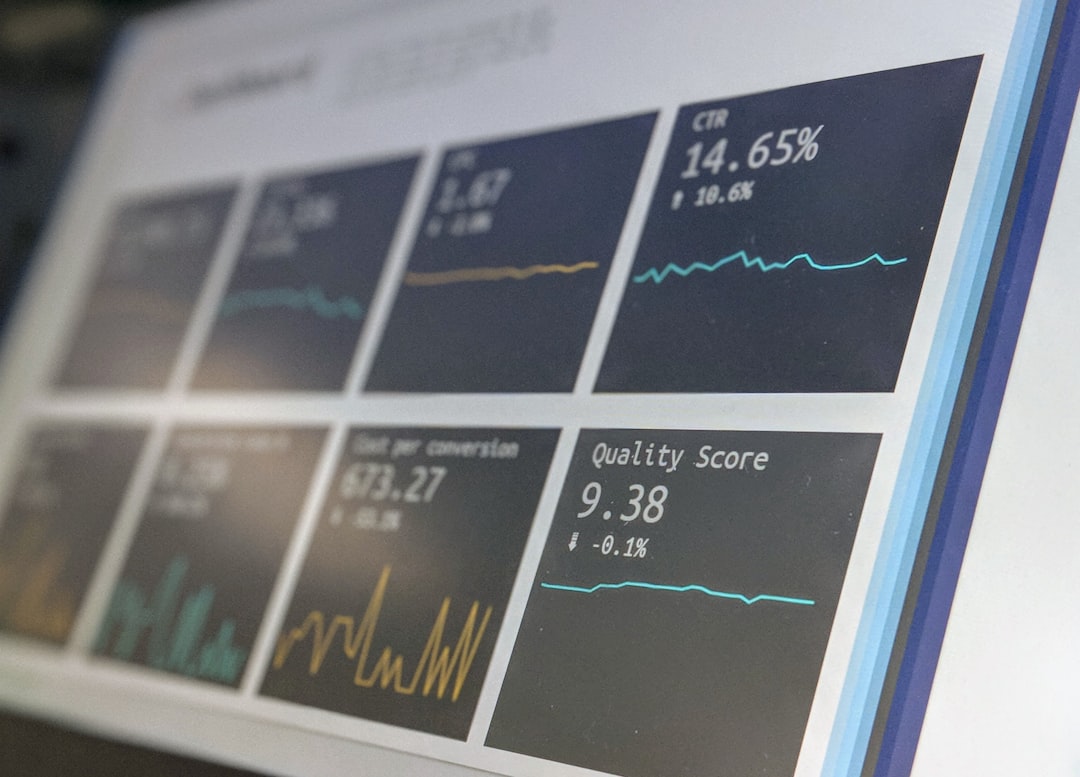
The most effective property managers build a retention dashboard that connects operational, financial, and experience-based metrics. Review it monthly, but also compare quarterly and year-over-year trends. Legacy tenant retention is rarely won or lost in one event; it is shaped by repeated interactions over time.
Final Thoughts
Tracking KPIs is not about creating more reports for the sake of reporting. It is about giving property managers the visibility they need to make better decisions. When you monitor renewal rate, occupancy, rent collection, maintenance performance, NOI, satisfaction, delinquency, and turnover cost, you can protect reliable tenants while improving portfolio performance.
For legacy tenants, the message is simple: we notice, we respond, and we value your continued presence. For owners and investors, the result is stronger cash flow, lower risk, and a more resilient portfolio.