
Modern games generate massive amounts of data every second—from player movement and combat interactions to in-game purchases and session length. Harnessing this data effectively can mean the difference between a game that merely launches and one that evolves, retains players, and maximizes revenue. That’s where game telemetry analytics platforms step in, offering powerful event tracking, real-time dashboards, and actionable insights.
TLDR: Game telemetry analytics platforms help developers track player behavior, monitor live game performance, and optimize engagement through real-time dashboards and detailed event tracking. The best tools combine scalability, flexible data querying, and intuitive visualization. Platforms like Unity Analytics, GameAnalytics, PlayFab, Amplitude, Mixpanel, and Datadog stand out for their robust features and integration capabilities. Choosing the right one depends on your game’s size, infrastructure, and business goals.
In this article, we explore six leading telemetry analytics platforms built for games, highlighting their strengths, features, and ideal use cases.
Contents of Post
Why Game Telemetry Analytics Matters
Before diving into the platforms, it’s important to understand what game telemetry analytics actually involves. Telemetry refers to the automated collection of gameplay data, including:
- Player actions (jumps, purchases, item usage)
- Session data (duration, frequency, churn signals)
- Technical performance (latency, crashes, CPU usage)
- Economy metrics (virtual currency flows, conversion rates)
This data feeds into live dashboards that allow studios to monitor launches in real time, detect issues instantly, and run continuous balance adjustments.
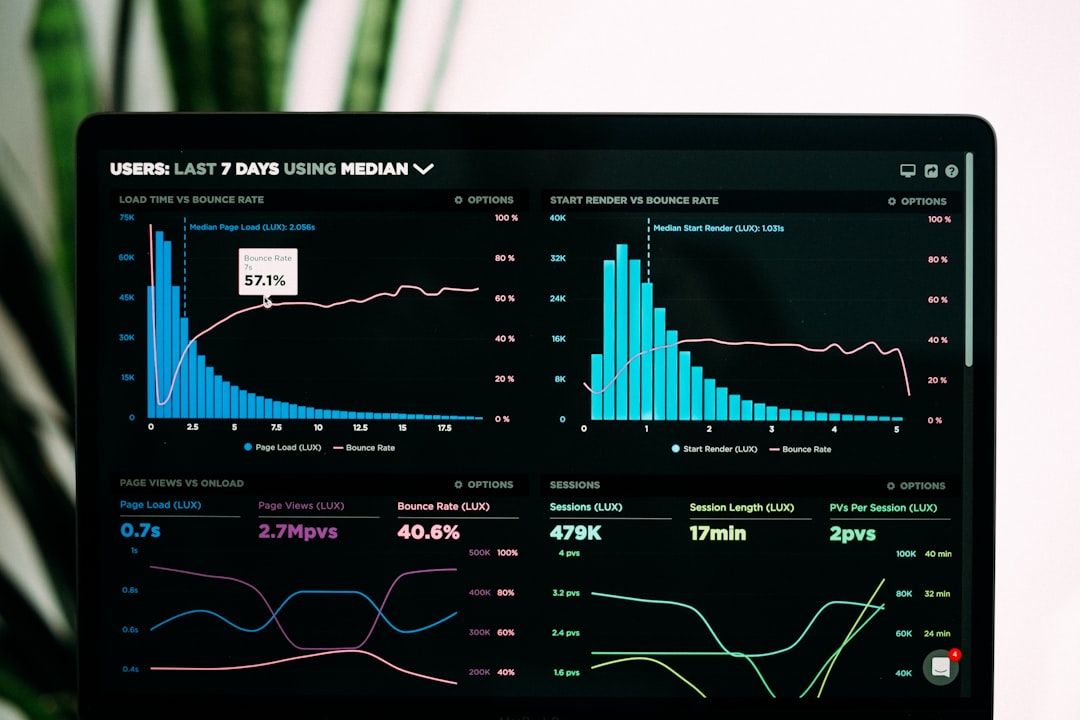
The result? Faster iteration cycles, improved player retention, and data-driven design decisions instead of guesswork.
1. Unity Analytics
Best for: Unity developers seeking native integration
Unity Analytics is built directly into the Unity ecosystem, making it a natural choice for developers using the Unity engine. Its tight integration simplifies event setup and data reporting without requiring extensive backend configuration.
Key Features:
- Prebuilt standard events (level start, level complete, purchases)
- Custom event tracking
- Real-time data reporting
- Funnel analysis and retention tracking
- Integration with Unity Ads and IAP
One of its strongest advantages is its accessibility—developers can quickly instrument gameplay events without building a custom pipeline. However, larger studios may sometimes supplement it with more advanced BI tools for complex queries.
Ideal for indie studios and mid-sized teams working primarily within the Unity ecosystem.
2. GameAnalytics
Best for: Studios prioritizing intuitive dashboards and rapid setup
GameAnalytics is purpose-built for gaming and offers an accessible yet powerful analytics suite. It provides comprehensive KPI tracking with minimal coding requirements.
Key Features:
- Event-based tracking (design, resource, progression events)
- Custom dashboards
- Real-time reporting
- Crash reporting
- Automated insights and anomaly detection
GameAnalytics shines in its preconfigured gaming metrics, such as ARPDAU, retention curves, and progression funnels. Its visualizations are polished and easy to interpret.
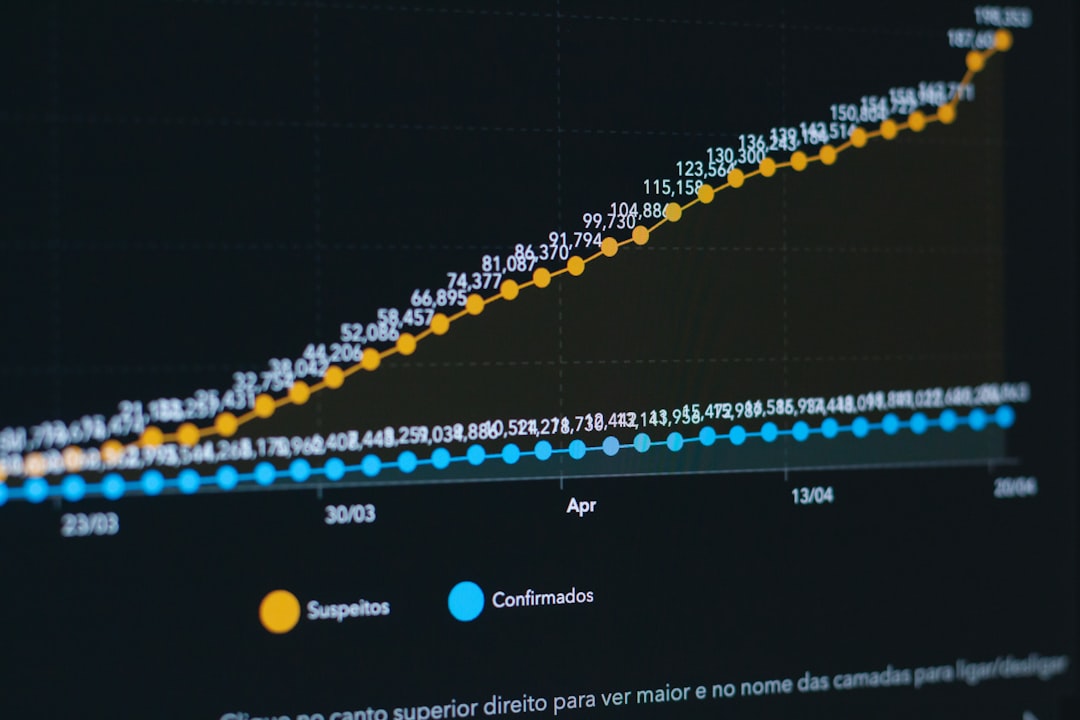
For many mobile game studios, GameAnalytics strikes an excellent balance between depth and usability.
3. Microsoft PlayFab
Best for: Live service games needing backend infrastructure plus analytics
PlayFab is more than just an analytics tool—it’s a complete backend-as-a-service solution. With telemetry deeply integrated into its cloud infrastructure, PlayFab enables scalable data collection and analysis.
Key Features:
- Custom event ingestion at scale
- Real-time dashboards
- Player segmentation
- LiveOps tools and A/B testing
- Integration with Azure Data Explorer
PlayFab is particularly powerful for multiplayer and live-service games where player data, matchmaking, and economy updates must adjust dynamically.
Its scalability and Azure integration make it suitable for AAA productions with complex data requirements.
4. Amplitude
Best for: Deep behavioral analysis and player journey mapping
Although not gaming-exclusive, Amplitude has gained popularity among game studios that want advanced behavioral analytics. Its event segmentation and cohort analysis tools are exceptionally powerful.
Key Features:
- Behavioral cohort analysis
- Advanced funnel visualization
- Predictive analytics
- Experiment tracking
- Retention lifecycle reporting
Amplitude excels at answering complex questions such as:
- Which player actions correlate with long-term retention?
- What behavioral patterns predict churn?
- How do monetizing players differ from non-paying users?
While setup may require more customization than gaming-specific tools, the analytical depth is unmatched for studios focused on optimization.
5. Mixpanel
Best for: Real-time event tracking with a marketing focus
Mixpanel is known for its streamlined interface and strong real-time analytics capabilities. It tracks custom events and surfaces insights with minimal delay, making it suitable for live operations monitoring.
Key Features:
- Custom event tracking
- Live dashboard updates
- User segmentation
- Funnel analysis
- A/B testing support
Many free-to-play games leverage Mixpanel for understanding purchase behavior, feature adoption, and engagement triggers. It integrates well with CRM and marketing automation tools.
Best suited for studios merging product analytics with player acquisition and lifecycle marketing.
6. Datadog
Best for: Infrastructure monitoring and technical telemetry
While Datadog isn’t exclusively a game analytics platform, it excels in technical telemetry and infrastructure monitoring. Studios often pair Datadog with other analytics tools to monitor server health, matchmaking systems, and latency.
Key Features:
- Real-time system monitoring
- Custom metric ingestion
- Log management and tracing
- Alert systems for anomalies
- Cloud integration
For multiplayer games, especially those relying on distributed servers, Datadog ensures smooth technical performance—critical during major updates or launch windows.
It complements gameplay analytics by ensuring that backend systems can handle spikes in player activity.
Comparison Chart
| Platform | Primary Strength | Real-Time Dashboards | Event Tracking | Best For |
|---|---|---|---|---|
| Unity Analytics | Native Unity integration | Yes | Prebuilt + Custom | Indie Unity developers |
| GameAnalytics | Game-specific KPIs | Yes | Structured event types | Mobile studios |
| PlayFab | Backend + analytics | Yes | Highly customizable | Live service/AAA |
| Amplitude | Deep behavioral insights | Near real-time | Fully custom | Optimization-focused teams |
| Mixpanel | Marketing integration | Yes | Custom events | Growth-driven studios |
| Datadog | Infrastructure monitoring | Yes | Technical metrics | Multiplayer/server-heavy games |
Choosing the Right Platform
When evaluating telemetry analytics platforms, consider the following criteria:
- Engine compatibility: Does it integrate easily with Unity, Unreal, or your custom engine?
- Scalability: Can it handle millions of daily active users?
- Customization: Are you limited to predefined events?
- Live monitoring: How fast is the data refresh?
- Technical depth: Does it track server performance as well as gameplay?
Smaller teams may prioritize simplicity and fast onboarding, while large live-service studios require extensive querying capabilities and backend integration.
Final Thoughts
Game telemetry analytics platforms have become indispensable in modern game development. Beyond just tracking numbers, they enable continuous improvement, allowing developers to fine-tune gameplay balance, reduce churn, optimize monetization, and maintain technical stability.
Whether you choose a specialized gaming tool like GameAnalytics, a behavioral powerhouse like Amplitude, or an infrastructure-focused solution like Datadog, the key is aligning your platform choice with your studio’s long-term strategy.
In a competitive industry where player attention is fleeting and expectations are sky-high, real-time dashboards and precise event tracking are no longer optional—they are the backbone of successful, data-driven game design.